

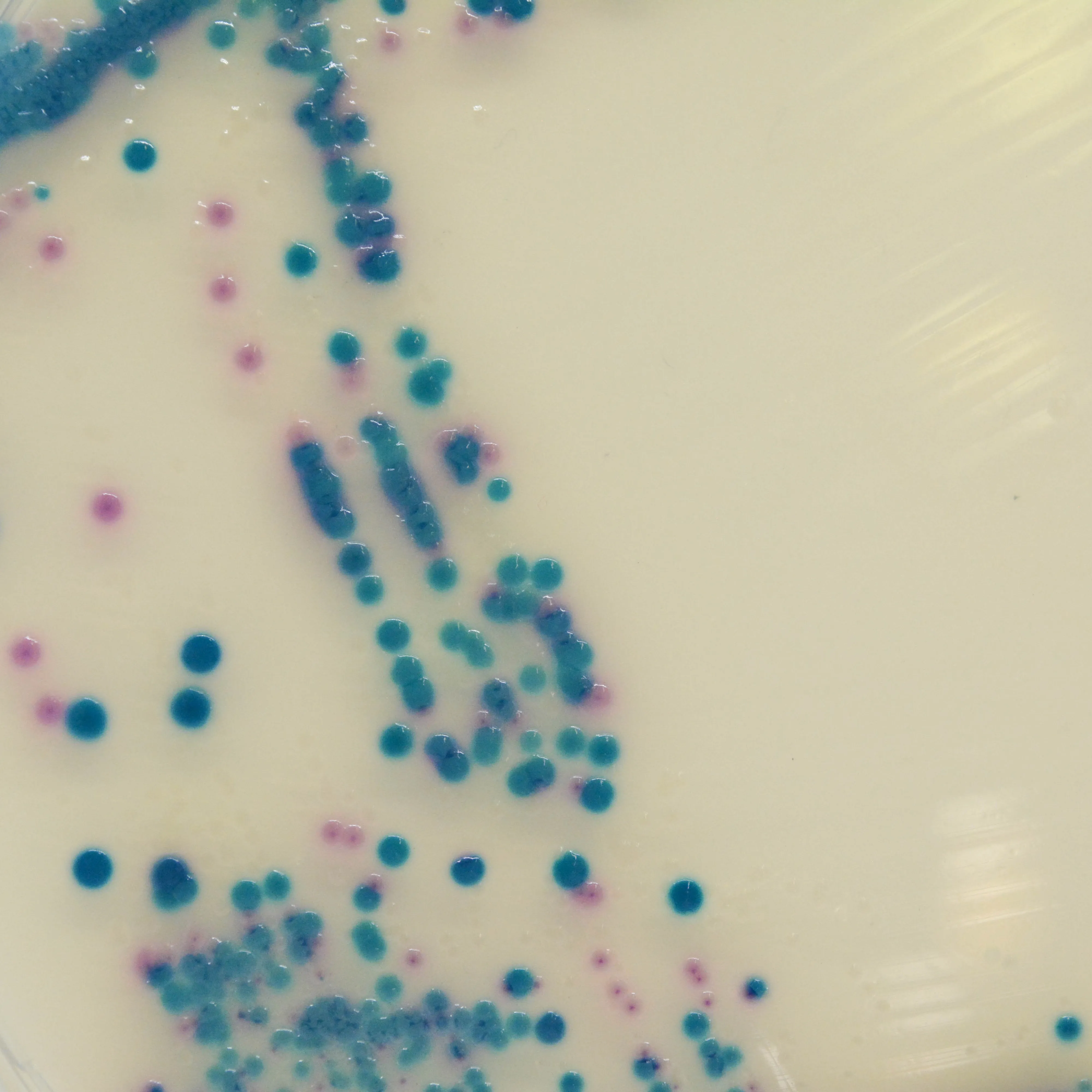
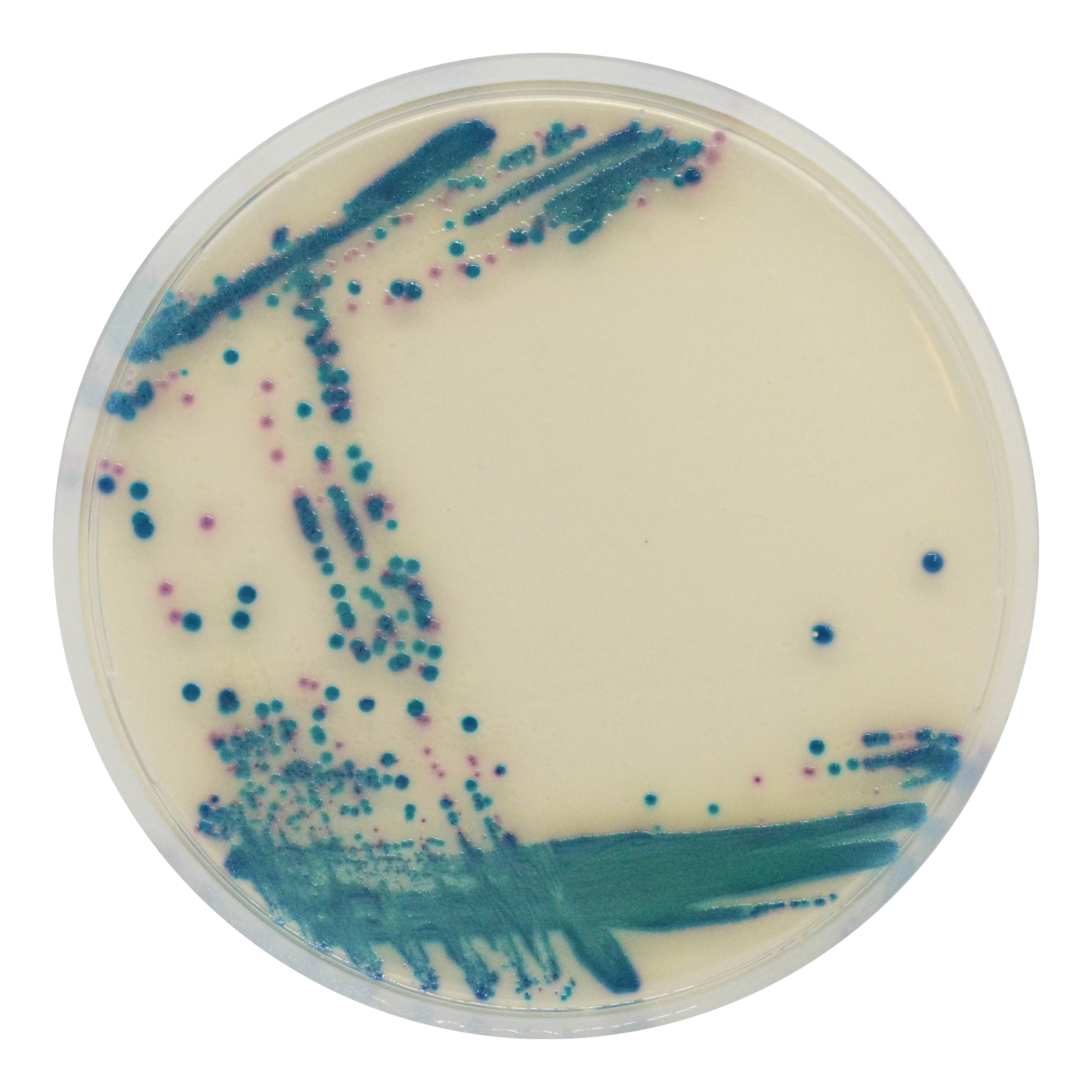

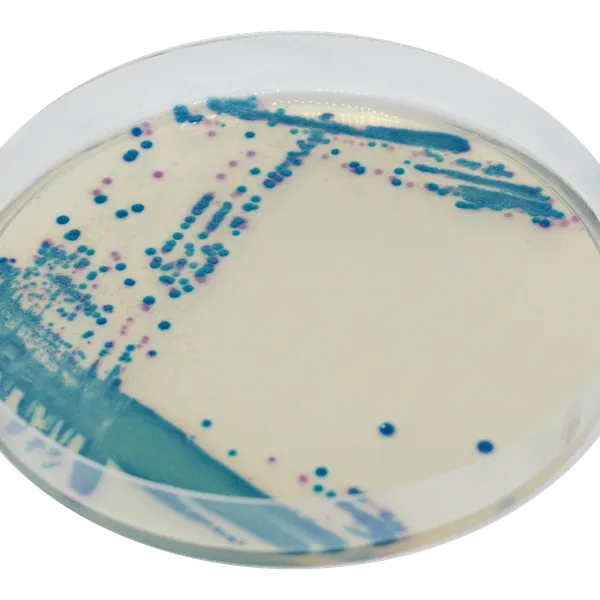
Colonies Appearance

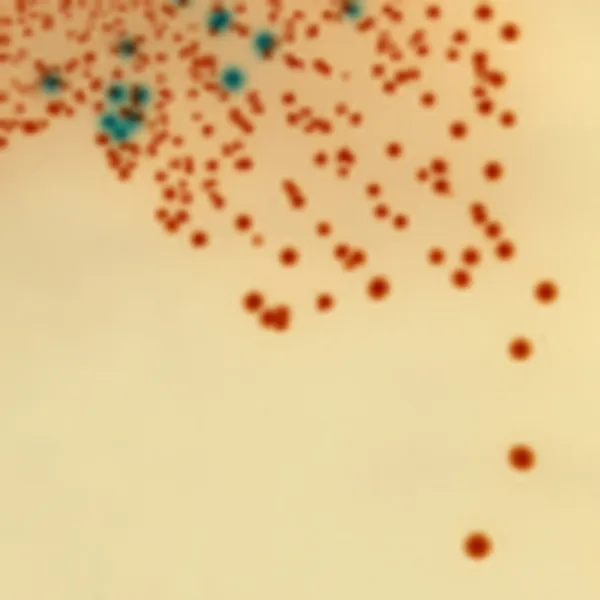
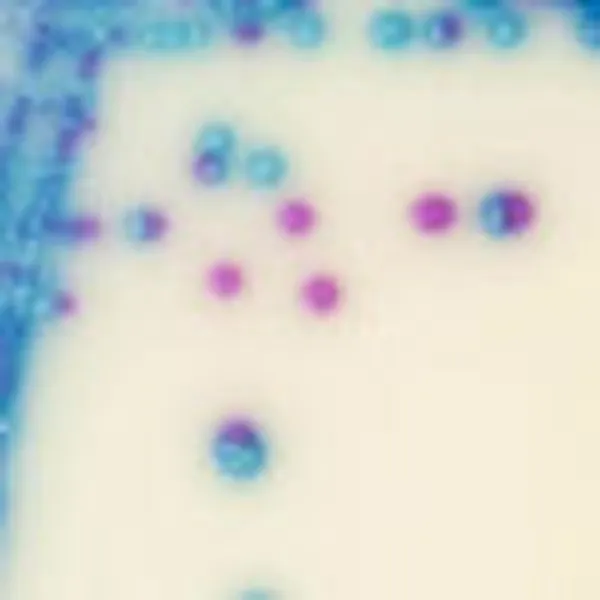
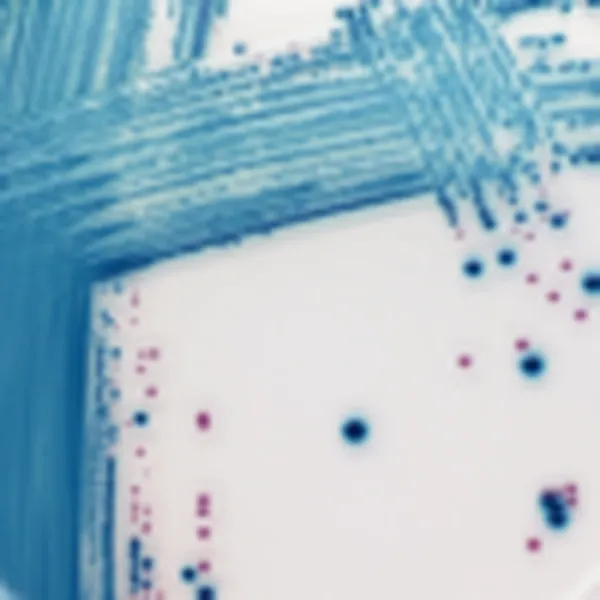
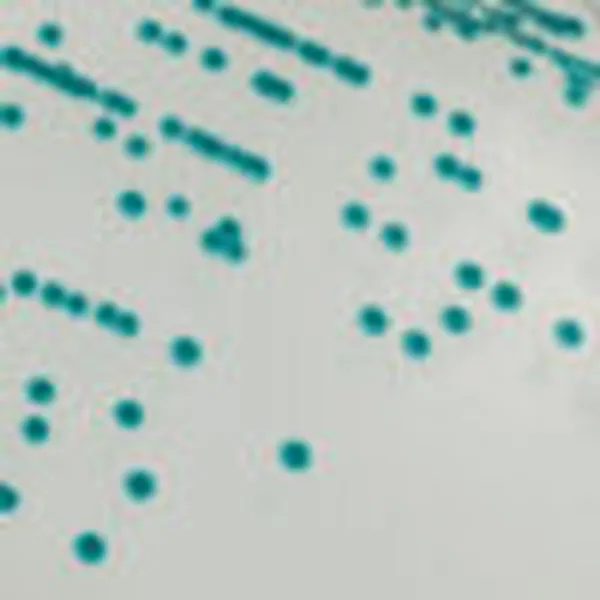
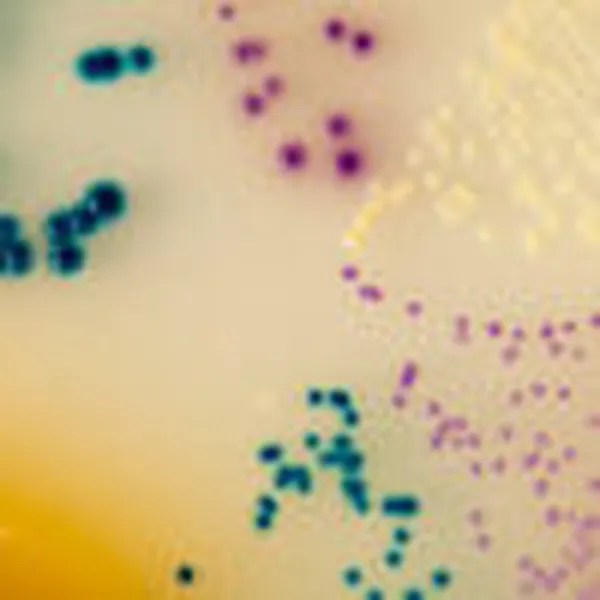
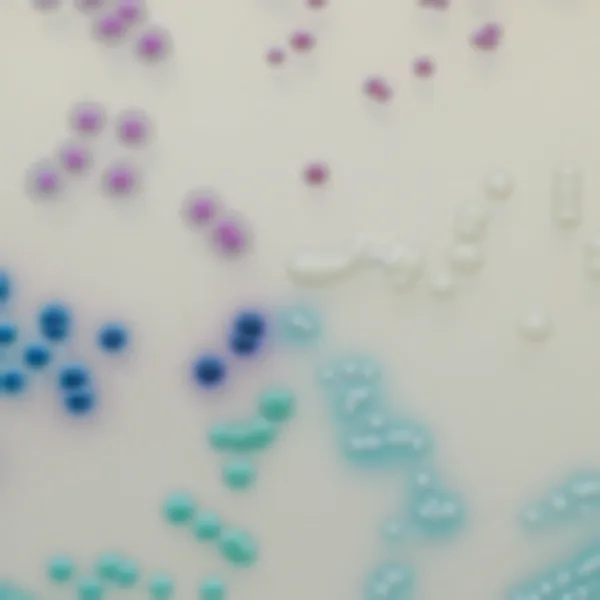
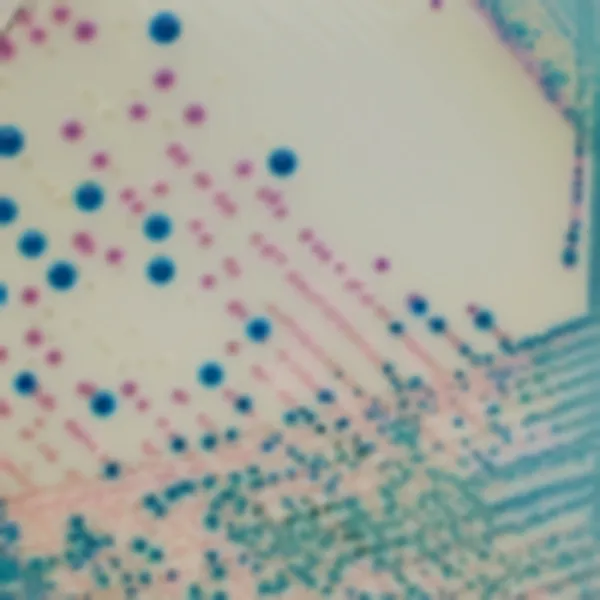
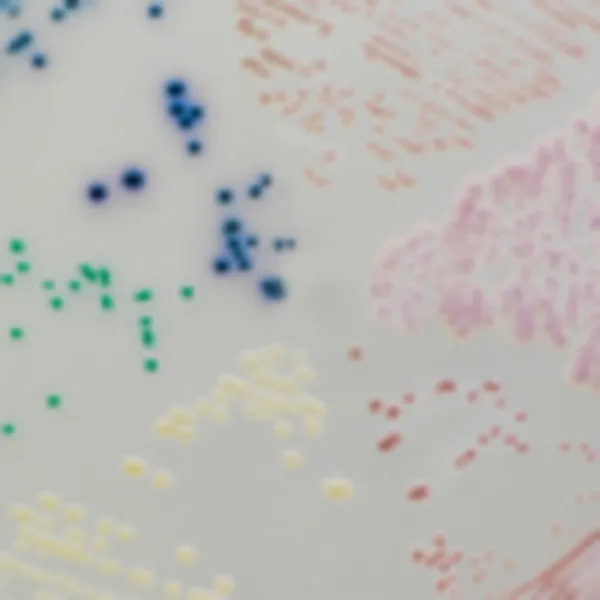
E. coli ESBL
dark pink to reddish

Klebsiella, Enterobacter,
Citrobacter ESBL

Proteus ESBL
brown halo

Pseudomonas ESBL
translucent cream to blue

Acinetobacter ESBL
cream, opaque
Performance
Performance
ESBL (Extended Spectrum β-Lactamases) are enzymes that mediate resistance to penicillins, extended-spectrum third generation cephalosporins (C3G) and monobactams. ESBL-producing Enterobacteriaceae started to appear in the 1980s, and have since emerged as some of the most significant hospital-acquired infections with Escherichia coli and Klebsiella spp. being the main actors, but other Gram-negative species have also been observed. Emergence of ESBL-producing isolates has important clinical and therapeutic implications:
- Resistance determinants for ESBL production are carried on plasmids that can be easily spread from organism to organism.
- The spread of resistance toward extended-spectrum cephalosporins may lead to increased prescription of more broad-spectrum and expensive drugs.
- These resistant isolates may escape detection with routine susceptibility testing performed by a clinical microbiology laboratory, which can result in adverse therapeutic outcomes.
Therefore, the early detection of ESBL-producing bacteria carriers is important to minimise their impact and the spread of infections and customise therapeutic patient treatment.
CHROMagar™ ESBL allows the detection of ESBL-producing bacteria while inhibiting the growth of other bacteria, including most of those carrying AmpC type resistance. This is an important feature because intrinsic AmpC resistance has less epidemic relevance, but often leads to ESBL false positive reading in the classical testing methods.
Intended Use :
CHROMagar™ ESBL is a selective and differential chromogenic culture medium, intended for use in the qualitative direct detection of gastrointestinal colonization with Extended-spectrum-beta-lactamase-resistant Enterobacteria (ESBL) to aid in the prevention and control of ESBL in healthcare settings. The test is performed with rectal swab and stools from patients to screen for ESBL colonization. Results can be interpreted after 18-24 h of aerobic incubation at 35-37 °C.
The medium can also be used as an early warning indicator for diagnostic tests of infections to signal the possible presence of multi drug-resistant bacteria. This use does not replace the institution’s protocols.
CHROMagar™ ESBL is not intended to diagnose infection caused by ESBL producers nor to guide nor monitor treatment for infections. A lack of growth or the absence of colonies on CHROMagar™ ESBL does not preclude the presence of ESBL-producing bacteria. Further identification, susceptibility testing, and epidemiological typing is needed on suspect colonies.
1. Fast results: Detection after overnight incubation.
4. Time and workload savings: Direct Culture from specimen. There is no need of a selective pre-enrichment.
2. Species Differentiation thanks to the chromogenic performances of supplemented CHROMagar™ Orientation. Indeed, the product is composed of a powder base CHROMagar™ Orientation and a supplement to enhance ESBL-producing bacteria.
5. Flexibility: CHROMagar™ ESBL is supplied with a more than 18 months shelf-life. This allows flexibility of use, whether in an epidemic situation with many patients to screen, or whether for random surveillance of cultures.
 <img src="/Data-EN-3-1756442362.png" width="1016" height="580" alt="" title="Data EN" />
 Composition
 <img class="vce-single-image" src="/Composition-EN-3-1756442365.png" width="950" height="460" alt="" title="Composition EN" />
 Technical Documents

Scientific Publications
2023
Prevalence of extended spectrum beta lactamase and molecular detection of blaTEM, blaSHV and blaCTX-M genotypes among Gram negative bacilli isolates from pediatric patient population in Gaza strip
📄 Publication2022
Bacterial Content in Gut For Different Species of Fish Collecting From Tigris River in Baghdad City, Iraq
📄 Publication2022
Multidrug resistant bacteria on air, inanimate surface and medical equipment in an intensive care unit in Lima, Peru
📄 Publication2021
A prospective multicentre surveillance study to investigate the risk associated with contaminated sinks in the intensive care unit
📄 Publication2020
Oral colonisation by antimicrobial-resistant Gram negative bacteria among long-term care facility residents: prevalence, risk factors and molecular epidemiology
📄 Publication2018
Validation of Colorex™ ESBL/mSuperCARBA™ bi-plate on WASP®/WASPLab® to screen for ESBL and CPE
📄 Publication2018
Addition of disk diffusion based screening on chromogenic Mueller-Hinton agar adds value to traditional cephalosporin based screening for multiresistant Gram-negative bacteria
📄 Publication2017
Evaluation of meat, fruit and vegetables from retail stores in five United Kingdom regions as sources of extended-spectrum beta-lactamase (ESBL)-producing and carbapenem-resistant Escherichia coli
📄 Publication2017
Impact of selective media for detecting fluoroquinolone-insusceptible/ extended-spectrum beta-lactamase-producing Escherichia coli before transrectal prostate biopsy
📄 Publication2017
Escherichia coli colonizing Crows as a sentinel of Antimicrobial resistance in Saskatoon, Canada
📄 Publication2016
Detection of Extended-Spectrum β-Lactamase producing Enterobacteriaceae by Chromogenic ESBL Selective Medium
📄 Publication2016
Rapid and efficient approach to urine culture screening using CHROMagar Orientation/ESBL medium
📄 Publication2016
Accuracy and Cost-Effectiveness of the CHROMagar Orientation/ ESBL medium for Identification and Detection of Extended-Spectrum B-Lactamase (ESBL)-Producing Gram-Negative Bacilli in comparison to conventional methodology and Mass Spectrometry
📄 Publication2016
High rate of faecal carriage of extended-spectrum b-lactamase producing Enterobacteriaceae in healthy children in Bangui, Central African Republic
📄 Publication2015
The application of selective chromogenic agar for detecting Enterobacteria with production of beta-lactamases
📄 Publication2015
Improved Detection of Extended Spectrum Beta-Lactamase (ESBL)-Producing Escherichia coli in Input and Output Samples of German Biogas Plants by a Selective Pre-Enrichment Procedure
📄 Publication2014
Evaluation of the ability of four EBSL-screening media to detect ESBL-producing Salmonella and Shigella
📄 Publication2014
Faecal carriage of ESBL-producing Enterobacteriaceae and carbapenem-resistant Gram-negative bacilli in community settings
📄 Publication2014
Rapid detection of extended spectrum B-lactamase (ESBL) producing strain of Escherichia coli in urinary tract infections patients in Benha University Hospital, Egypt
📄 Publication2013
Factors for occurrence of extended spectrm b lactamase producing escherichia coli in broilers
📄 Publication2013
Maternal carriage of extended-spectrum betalactamase- producing Escherichia coli isolates in Argentina
📄 Publication2013
Molecular characterization of extended-spectrum beta-lactmase producing Enterobacteriaceae in a Saudi Arabia tertiary hospital
📄 Publication2013
Evaluation of three selective chromogenic media, CHROMagar ESBL, CHROMagar CTX-M and CHROMagar KPC, for the detection of Klebsiella pneumoniae producing OXA-48 carbapenemase
📄 Publication2013
Comparison of five media for detection of ESBL by use of the WASP instrument for automated specimen processing
📄 Publication2013
Phenotypic screen for ESBL-producing Enterobacteriaceae in the US Hospital setting: validation of CHROMagar ESBL versus HardyCHROM ESBL
📄 Publication2011
Comparison of three selective media for the recovery of Extended Spectrum β-Lactamase (ESBL)-producing Enterobacteriaceae
📄 Publication2010
Evaluation of a chromogenic medium for extended-spectrum beta-lactamase (ESBL)-producing Enterobacteriaceae
📄 Publication2010
Evaluation of a chromogenic agar medium for the detection of extended-spectrum beta-lactamase producing Enterobacteriaceae
📄 Publication2010
Détection rapide par culture des entérobactéries productrices de Bétalactamase à spectre étendue (ELBSE) sur milieu chromogène: Colorex Orientation/ESBL (CHROMagar, Paris France)
📄 Publication2019
CHROMagar ESBL / mSuperCARBA bi-plate medium for detection of ESBL and carbapenemase-producing Enterobacteriaceae from spiked tools
📄 Publication2020
A genomic epidemiology study of multidrug-resistant Escherichia coli, Klebsiella pneumoniae and Acinetobacter baumannii in two intensive care units in Hanoi, Vietnam
📄 Publication2021
Evidence of widespread endemic populations of highly multidrug-resistant Klebsiella pneumoniae seen concurrently through the lens of two hospital intensive care units in Vietnam
📄 Publication






Read more