

Probiotics in Aquaculture: A Strategic Solution for Enhanced Immunity and a Healthier Culture Environment
- 1. What Are Probiotics? Core Definitions and Concepts
- FAO/WHO Definition of Probiotics in Aquaculture
- Common Microbial Strains Used in Aquaculture Probiotics
- Probiotics vs. Prebiotics vs. Natural Microflora
- 2. Comprehensive Benefits of Probiotics in Aquaculture
- Improved Immunity and Disease Resistance
- Water Quality Improvement
- Control of Off-odor, Sludge, and Surface Scum
- Enhanced Productivity and Economic Efficiency
- 3. How to Select and Use Probiotics Safely and Effectively
- 4. Case Study: Successful Probiotic Application in Vietnam
- 5. Strategic Role of Probiotics in Modern Aquaculture
The aquaculture industry is facing unprecedented challenges. Diseases—especially those caused by bacteria, viruses, and parasites—are the leading factors contributing to severe economic losses for farmers. Conditions such as White Feces Syndrome (WFS) and Acute Hepatopancreatic Necrosis Disease (AHPND) in shrimp, or hemorrhagic diseases and bacterial kidney disorders in fish, all pose direct threats to productivity and farming stability.
In this context, the overuse of antibiotics and chemical treatments not only results in harmful residues in the final products—affecting consumer health—but also accelerates antimicrobial resistance (AMR) and pollutes the culture environment.
Therefore, a crucial and inevitable shift is taking place: sustainable aquaculture. This approach focuses on maintaining animal health and protecting the environment instead of solely addressing diseases. In this movement, aquaculture probiotics have emerged as a leading solution—often referred to as a “natural vaccine”—helping shrimp and fish become healthier from within while simultaneously improving pond conditions.
This article explores the comprehensive role and benefits of probiotic supplementation in aquatic animals, highlighting its contributions to improved immunity, water quality enhancement, and sustainable production.
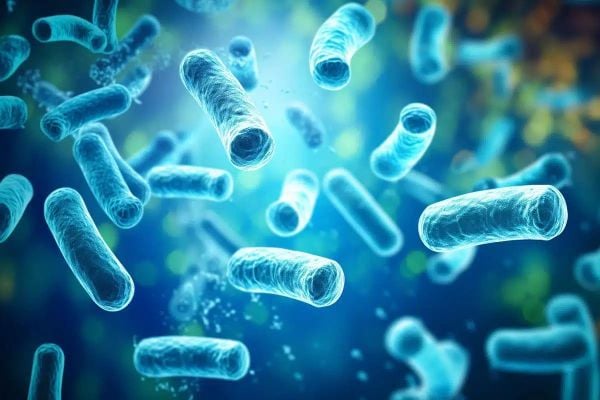
Aquaculture probiotics are considered a pioneering solution — a ‘natural vaccine’ that strengthens shrimp and fish from within while simultaneously purifying the culture environment.
1. What Are Probiotics? Core Definitions and Concepts
To understand how probiotics work in aquaculture systems, we must begin with a clear scientific definition.
FAO/WHO Definition of Probiotics in Aquaculture
Probiotics are live microorganisms which, when administered in adequate amounts—either to the host organism (shrimp, fish) or directly into the environment (culture ponds)—confer a health benefit to the host.
In aquaculture, these beneficial microbes may be applied:
-
Orally (mixed with feed)
-
Directly to the water (environmental treatment)
Common Microbial Strains Used in Aquaculture Probiotics
Bacillus spp.
The most widely used bacterial group in aquaculture due to its ability to:
-
Degrade organic matter
-
Reduce sludge accumulation
-
Suppress pathogenic bacteria through nutrient competition and enzyme production
Common strains:
-
Bacillus subtilis
-
Bacillus licheniformis
-
Bacillus pumilus
Lactobacillus spp.
Primarily used in feed additives to:
-
Stabilize gut microbiota
-
Produce lactic acid to inhibit pathogenic Vibrio species
Saccharomyces spp.
Particularly Saccharomyces cerevisiae, known to:
-
Enhance digestion
-
Provide B-vitamins
-
Improve overall physiological condition
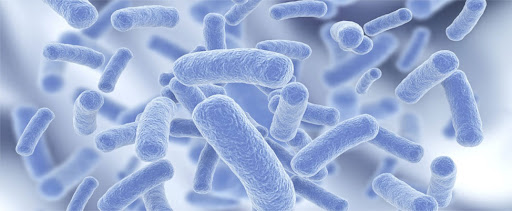
Bacillus is the most widely used bacterial group, well known for its ability to degrade organic matter, clean pond bottoms, and suppress pathogenic bacteria.
Probiotics vs. Prebiotics vs. Natural Microflora
Probiotics
Selected beneficial microorganisms introduced at high, stable concentrations.
Prebiotics
Non-digestible compounds (usually fibers) that selectively promote the growth of beneficial gut microbes.
Natural microflora
Native bacteria, algae, and yeasts present in ponds. Their populations fluctuate easily and may include pathogenic strains, making their behavior less predictable.
2. Comprehensive Benefits of Probiotics in Aquaculture
Improved Immunity and Disease Resistance
Enhancing the Innate Immune System
When administered through feed, probiotic strains such as Lactobacillus and Bacillus:
-
Form a protective biofilm in the gut
-
Reduce pathogen adhesion
-
Stimulate immune cells (e.g., lymphocytes)
Reduction of Enteric Diseases
Probiotics are particularly effective in mitigating:
-
White Feces Syndrome (WFS)
-
Other gut-related disorders
They produce antimicrobial peptides (e.g., bacteriocins) and competitively exclude pathogens.
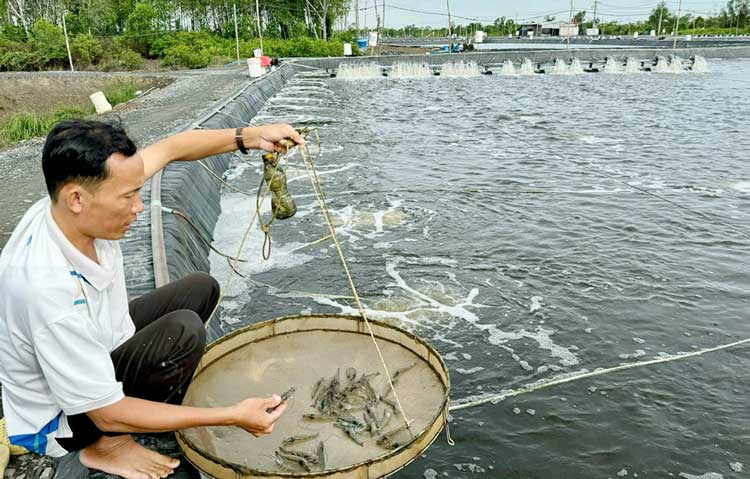
The use of aquaculture probiotics provides multifaceted benefits, directly impacting both the cultured animals and the pond environment.
Water Quality Improvement
Reduction of Ammonia (NH₃), Nitrite (NO₂⁻)
Environmental probiotics degrade:
-
Organic waste
-
Uneaten feed
-
Fecal matter
This reduces toxic metabolites and minimizes animal stress.
Improved Dissolved Oxygen (DO) Levels
A cleaner pond environment facilitates better aeration and gas exchange.
Control of Off-odor, Sludge, and Surface Scum
Accelerated breakdown of organic residues results in:
-
Less bottom sludge
-
Reduced foul smell
-
Cleaner water column
Enhanced Productivity and Economic Efficiency
-
Higher survival rates and improved growth performance
-
Better feed conversion ratio (FCR)
-
Reduced reliance on antibiotics and chemicals
3. How to Select and Use Probiotics Safely and Effectively
Key Criteria for Selecting Reliable Aquaculture Probiotics
-
Microbial Strains: Prioritize Bacillus for water treatment and Lactobacillus for gut health.
-
CFU Count (Colony Forming Units): Effective products typically range from 10⁸ – 10¹⁰ CFU/g or mL.
-
Manufacturer Certification: Ensure clear origin, licensing, and absence of contamination.
Proper Usage Methods
Feed Application (Gut-targeted Probiotics)
-
Method: Mix probiotics into feed; use binders such as squid oil for adhesion.
-
Dosage: 3–5 g/kg feed, 1–2 times per day.
Direct Pond Application (Environmental Probiotics)
-
Method: Dilute and broadcast evenly; optionally pre-activate/proliferate.
-
Best time: Morning (8–10 AM) or late afternoon (2–4 PM)
-
Dosage: 0.5–1 kg per 1,000 m³, applied every 3–5 days.
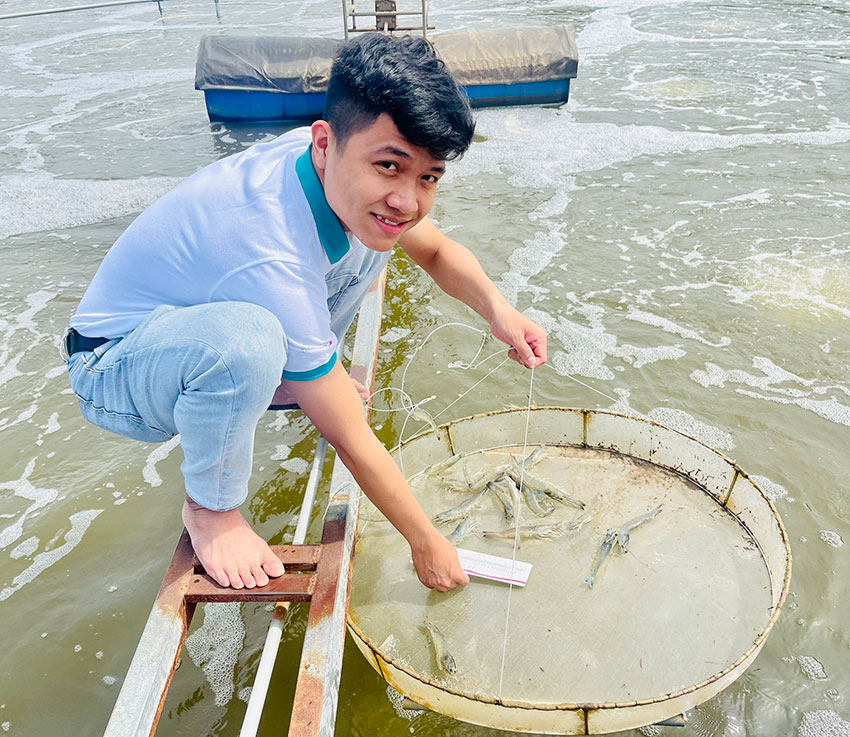
Proper selection and application are crucial to maximizing the full potential of probiotics.
Important Precautions
-
Avoid concurrent use with antibiotics or strong disinfectants.
Probiotics should be applied at least 48 hours after antibiotic treatment. -
Maintain proper water parameters (pH, alkalinity, temperature) and ensure adequate aeration.
4. Case Study: Successful Probiotic Application in Vietnam
Location: Whiteleg shrimp farm, Bac Lieu Province
Issues: White Feces Syndrome, unstable water conditions
Intervention:
-
Continuous application of Bacillus-based environmental probiotics
-
Supplementation of Lactobacillus via feed
Outcomes:
-
WFS incidence reduced from 25% to <5%
-
NH₃ and H₂S levels consistently safe
-
FCR improved significantly
-
Productivity increased by 15%
This case demonstrates that probiotics are not merely supplementary but a core strategy for modern pond management.
5. Strategic Role of Probiotics in Modern Aquaculture
Probiotics have solidified their importance in advancing sustainable aquaculture. By enhancing immunity and improving environmental quality, probiotics:
-
Reduce antibiotic dependency
-
Improve product safety
-
Strengthen the global reputation of Vietnamese aquaculture
Farmers are strongly encouraged to integrate probiotics into routine pond management to ensure long-term sustainability and profitability.
Looking for Effective, Safe, and Sustainable Aquaculture Solutions?
Contact us for expert consultation on high-quality aquaculture probiotics and customized protocols for your farming system.
Take action today to protect aquatic resources and secure a sustainable future for your farming operations.
GLOBAL SCIENCE & TECHNOLOGY COMPANY LIMITED
Head office: 19th floor, area A, 4 Nguyen Dinh Chieu, Ward Da Kao, District 1, Ho Chi Minh City, Vietnam
HCM Office: 48 Chau Thi Hoa, Ward 4, District 8, Ho Chi Minh City
Hanoi Office: No. 59B, Lane 148 Tran Duy Hung, Trung Hoa Ward, Cau Giay District, Hanoi
Hotline: 0908.090.555
Email: dinh@global.net.vn
Website: https://globallab.com.vn/
Read more