

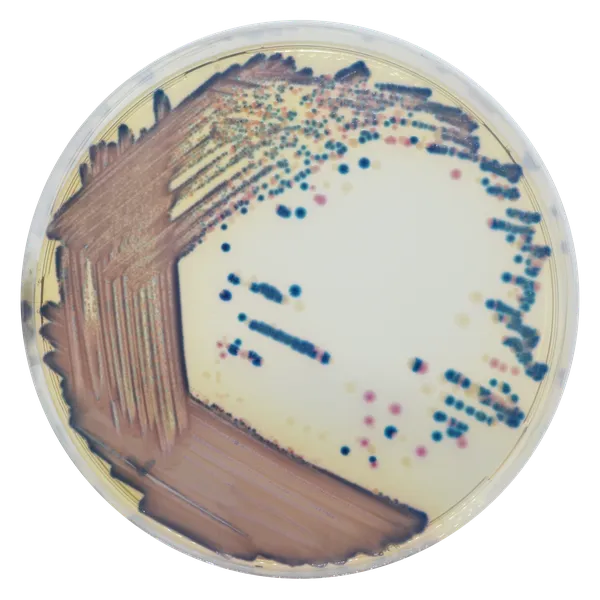

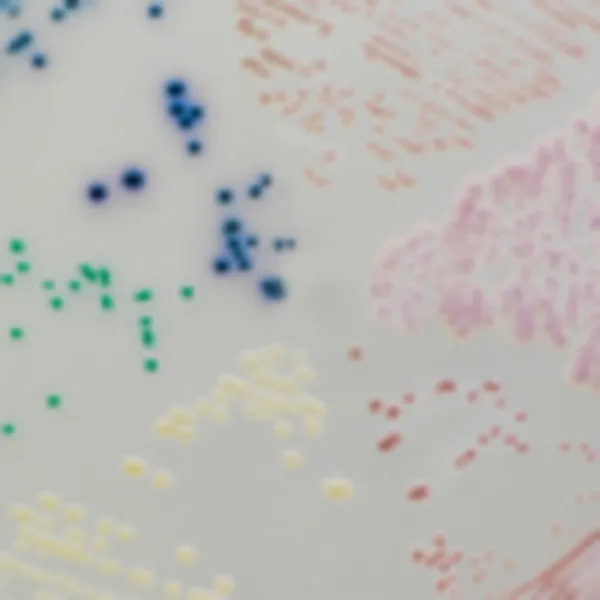
Colonies Appearance

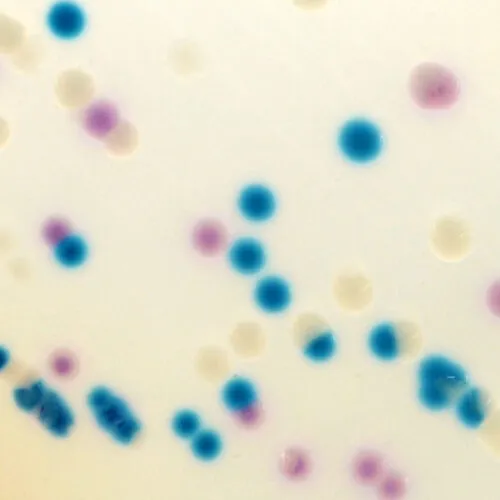
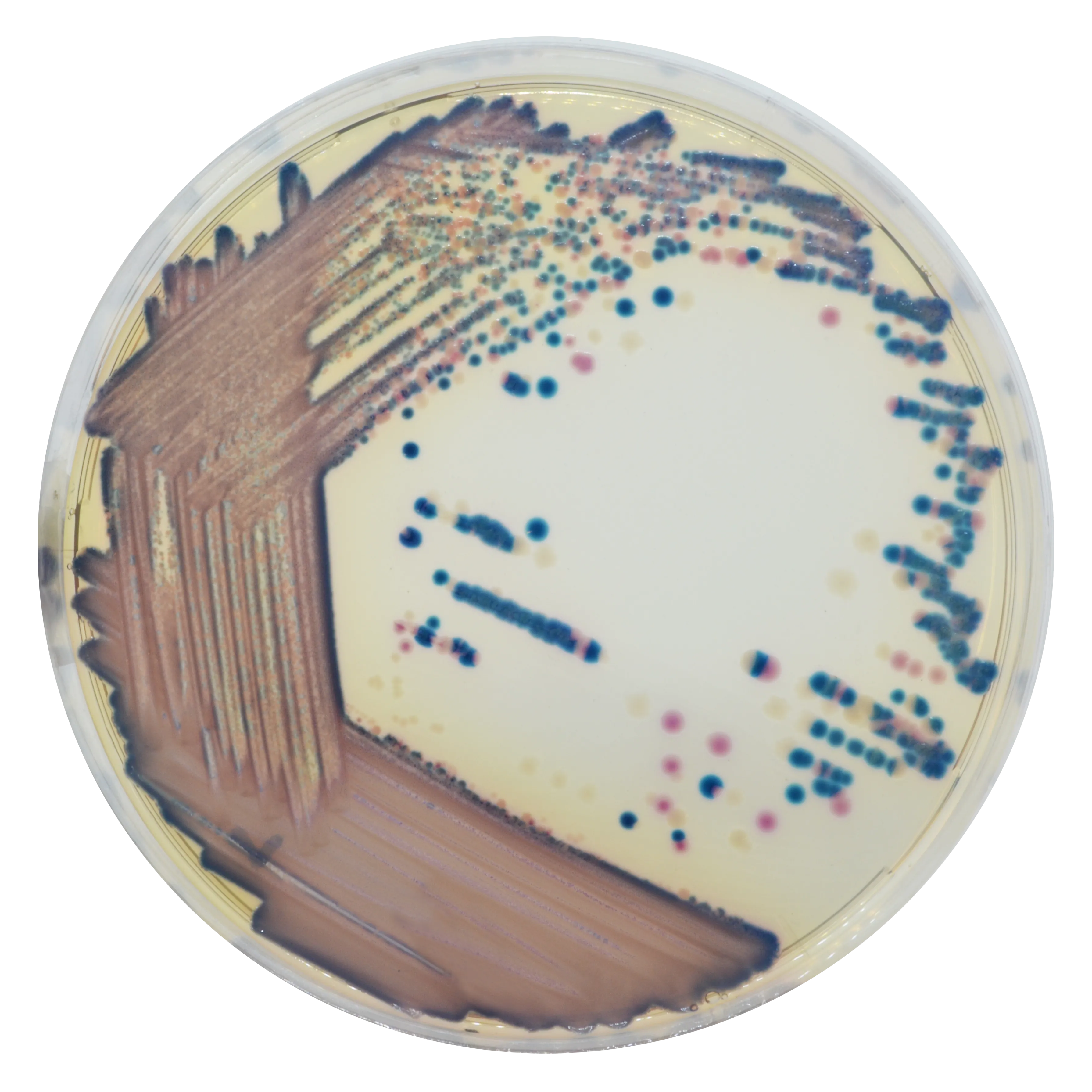
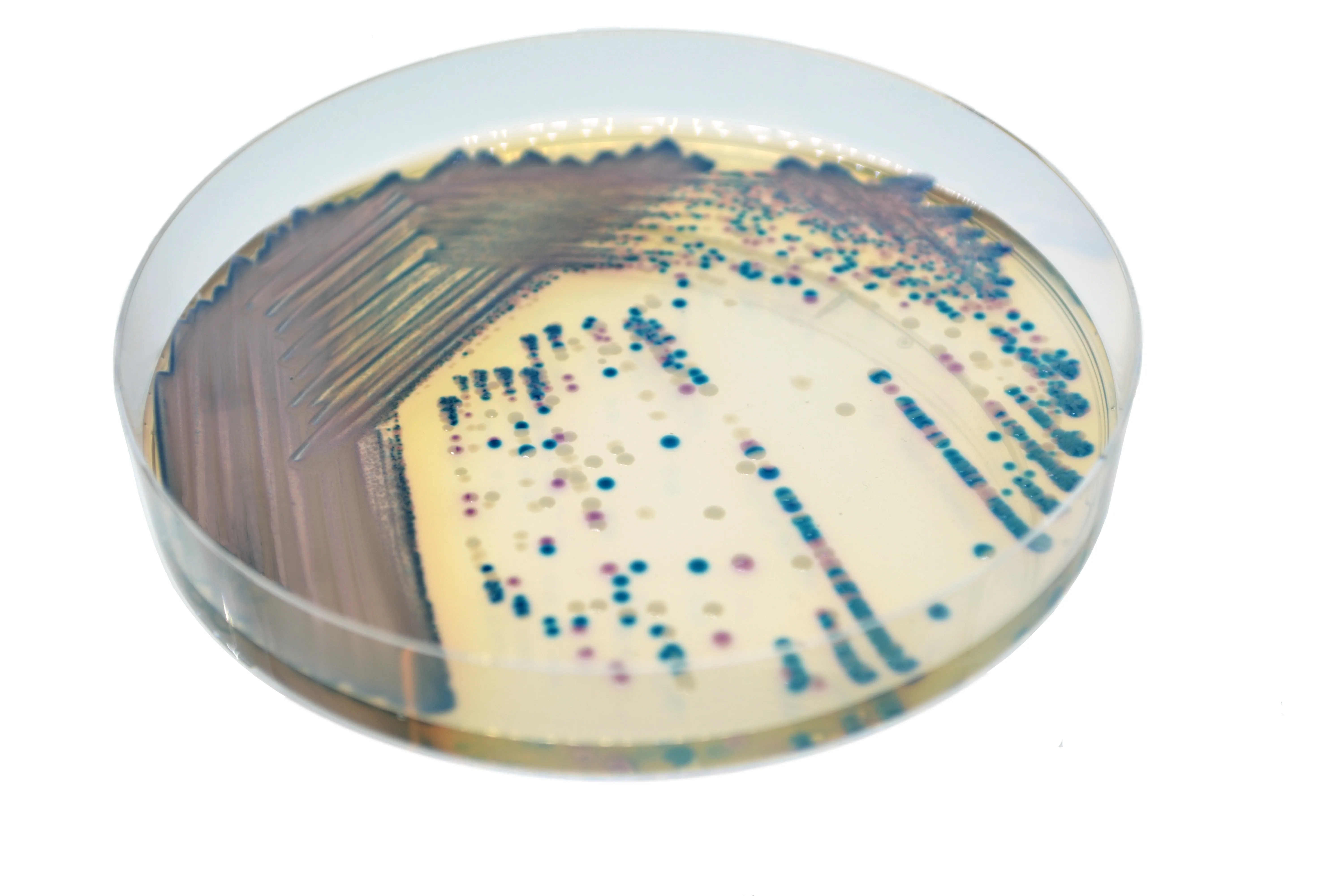
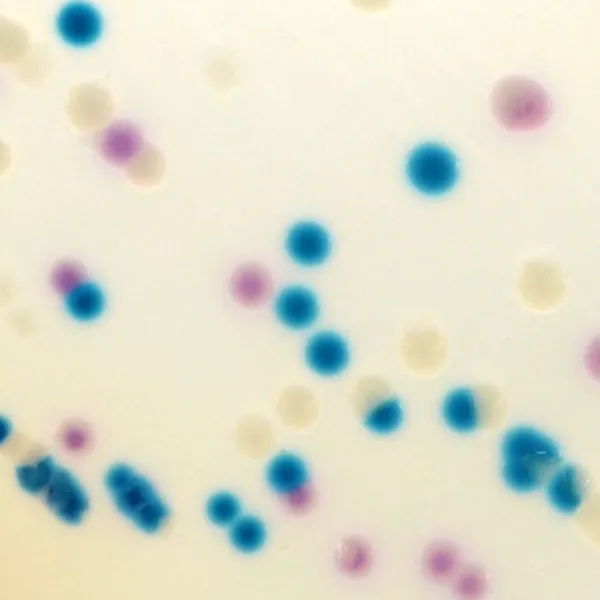
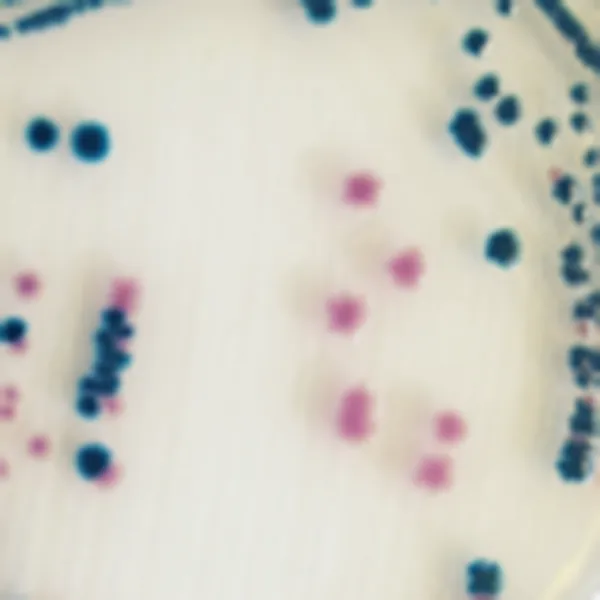
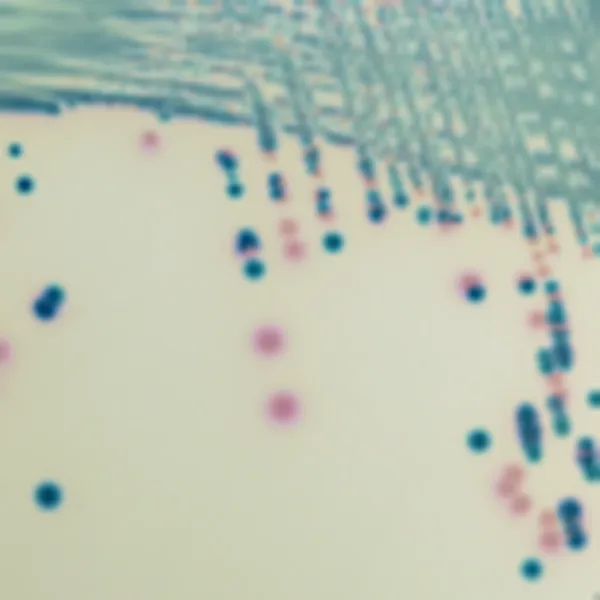
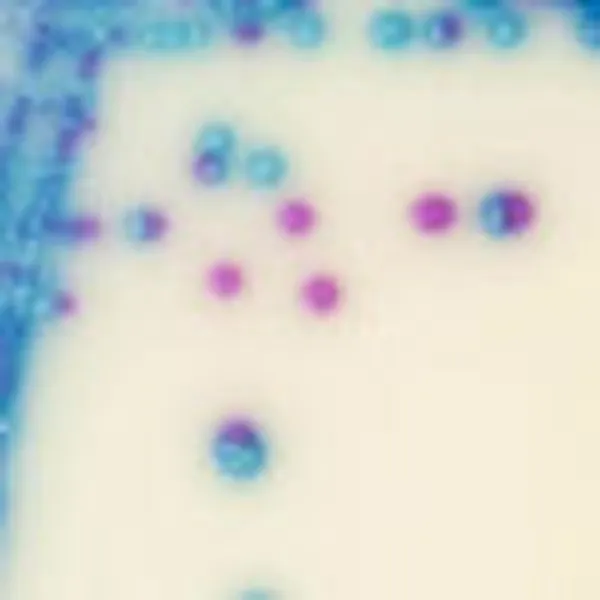
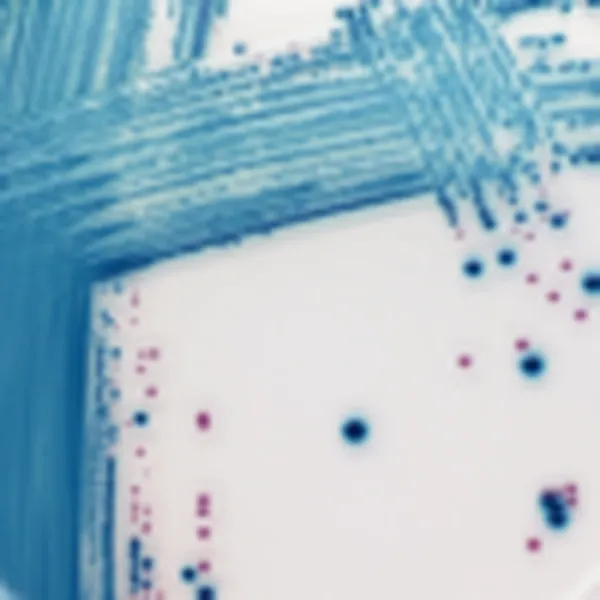
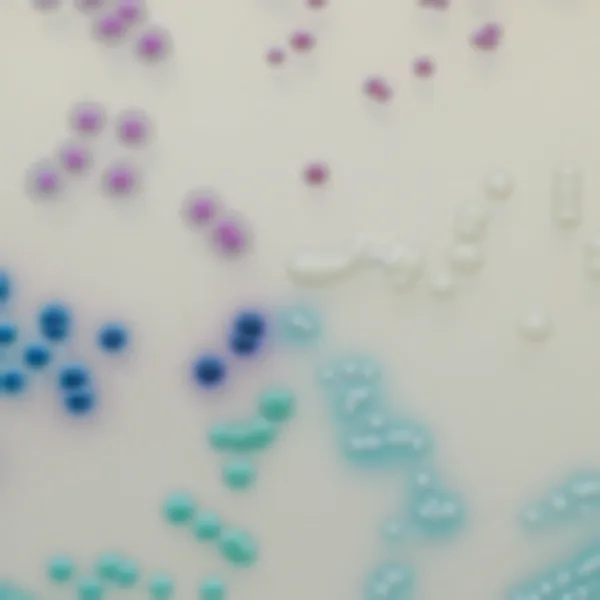
COL-R E. coli
Dark pink to reddish

COL-R Klebsiella, Enterobacter, Citrobacter
Metallic blue

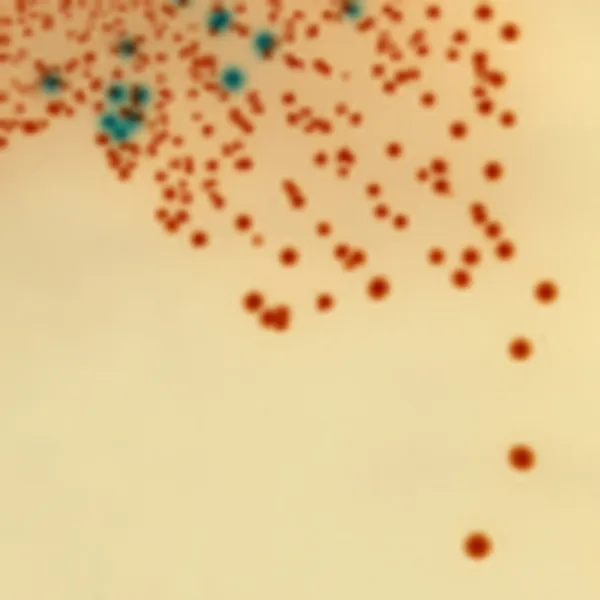
COL-R Pseudomonas
Translucent cream to green

COL-R Acinetobacter
Cream, opaque
Performance
Performance
Polymyxin E (colistin) and B are increasingly used as antimicrobials in the treatment of multi-drug resistant bacterial infections. Polymyxin resistance, although intrinsic in Gram-positive and some Gram-negative species (Proteus, Morganella, Serratia), is now a problem in a number of other pathogens(Acinetobacter baumannii, Pseudomonas aeruginosa, Escherichia coli, Salmonella enterica, Klebsiella pneumoniae).*
Resistance arises due to mutations/insertions in genes involved in LPS biosynthesis (lpx, pmrA/B, mgrB, phoP/Q) and/or the acquisition of phosphoethanolomine transferases (PEtN).Of great concern is the recently described plasmid-encoded PEtN, MCR-1, now found worldwide in a range of animal, human and environmental bacterial isolates.*
CHROMagar™ COL-APSE is a sensitive and specific medium for the growth of Colistin resistant bacterial pathogens with a lower limit of detection of 10 CFU/mL. This new chromogenic medium may be useful as a primary isolation medium in the surveillance and recovery of Colistin resistant bacteria from complex human, veterinary and environmental samples especially those with plasmid mediated MCR-1 or novel mechanisms of polymyxin resistance.*
* Novel Chromogenic Culture Media (CHROMagar™ COL-APSE) for the Isolation and Differentiation of Colistin Resistant Gram-negative Pathogens. Muhd Haziq F Abdul Momin, David W Wareham. ECCMID 2017.
Intended Use :
CHROMagar™ COL-APSE is a selective and differential chromogenic culture medium, intended for use in the qualitative direct detection of gastrointestinal colonization with colistin-resistant Gram-negative bacteria (COL-R) to aid in the prevention and control of COL-R in healthcare settings. The test is performed with rectal swab, perineal swabs and stools samples from patients to screen for COL-R colonization. Results can be interpreted after 18-24 h of aerobic incubation at 35-37 °C.
The medium can also be used as an early warning indicator for diagnostic tests of infections to signal the possible presence of COL-R bacteria. This use does not replace the institution’s protocols.
CHROMagar™ COL-APSE is not intended to diagnose COL-R infection nor to guide nor monitor treatment for infections. A lack of growth or the absence of colonies on CHROMagar™ COL-APSE does not preclude the presence of COL-R. Further identification, susceptibility testing, and epidemiological typing is needed on suspect colonies.
CHROMagar™ COL-APSE can also be used in the detection of COL-R in the analyses of food products for human consumption, animal feed, in livestock and in environmental samples.
1. Colourful differentiation of colonies with acquired colistine resistance distinguishing between E. coli, coliforms, Pseudomonas and Acinetobacter.
2. Impressive limit of detection :
10 CFU/mL.

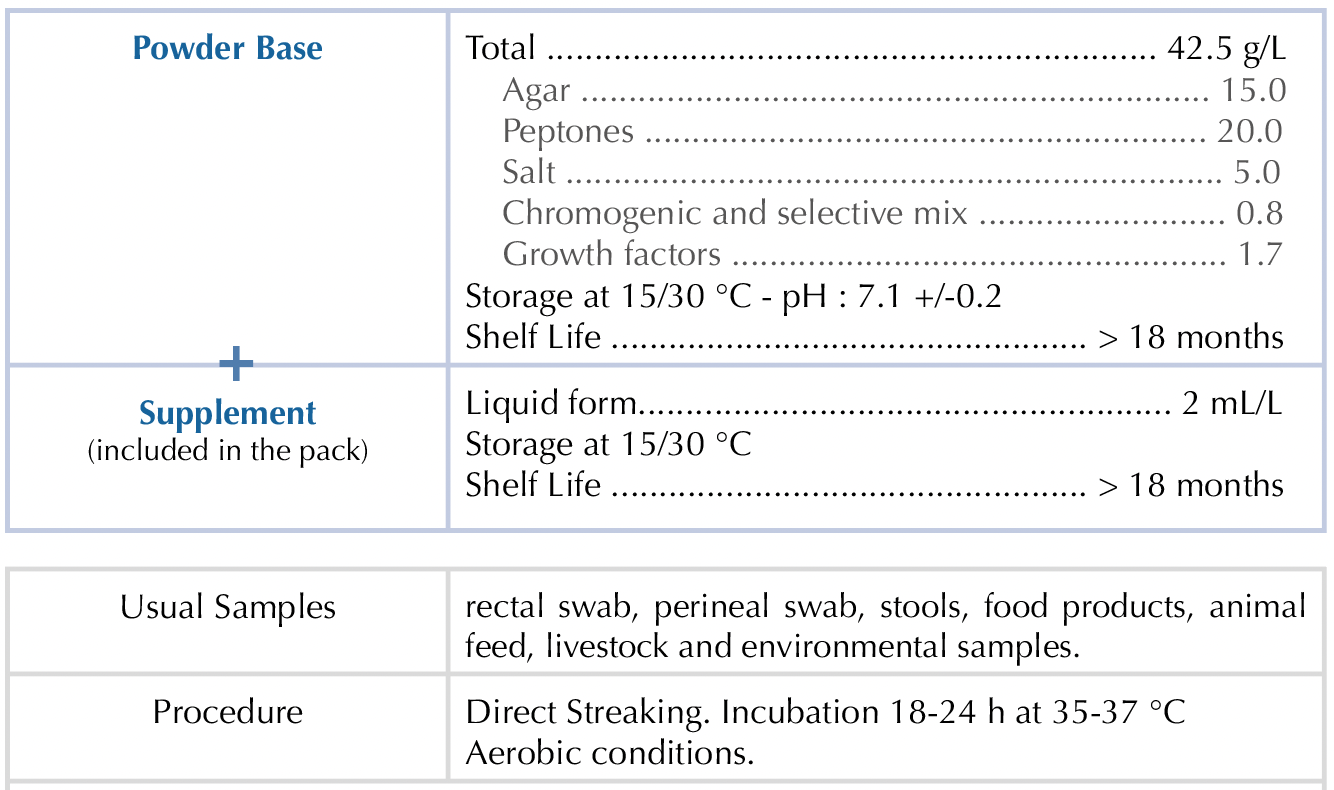
Composition
Technical Documents

Scientific Publications
2019
Assessment of two selective agar media to isolate colistin-resistant bovine Escherichia coli: Correlation with minimal inhibitory concentration and presence of mcr genes
📄 Publication2019
Prevalence of Genes involved in Colistin resistance in Acinetobacter baumannii: First Report from Iraq
📄 Publication2018
Antimicrobial Resistance Surveillance of Human Faecal Samples reveals a High Carriage Rate of E. coli MCR-1 in Brunei Darussalam
📄 Publication2018
Wide dissemination of colistin-resistant Escherichia coli with the mobile resistance gene mcr in healthy residents in Vietnam
📄 Publication2017
A Novel Chromogenic Culture Media (CHROMagar™ COL-APSE) for the Isolation and Differentiation of Colistin Resistant Gram-negative Pathogens
📄 Publication2017
CHROMagar COL-APSE: a selective bacterial culture medium for the isolation and differentiation of colistin-resistant Gram- negative pathogens
📄 Publication








Read more