

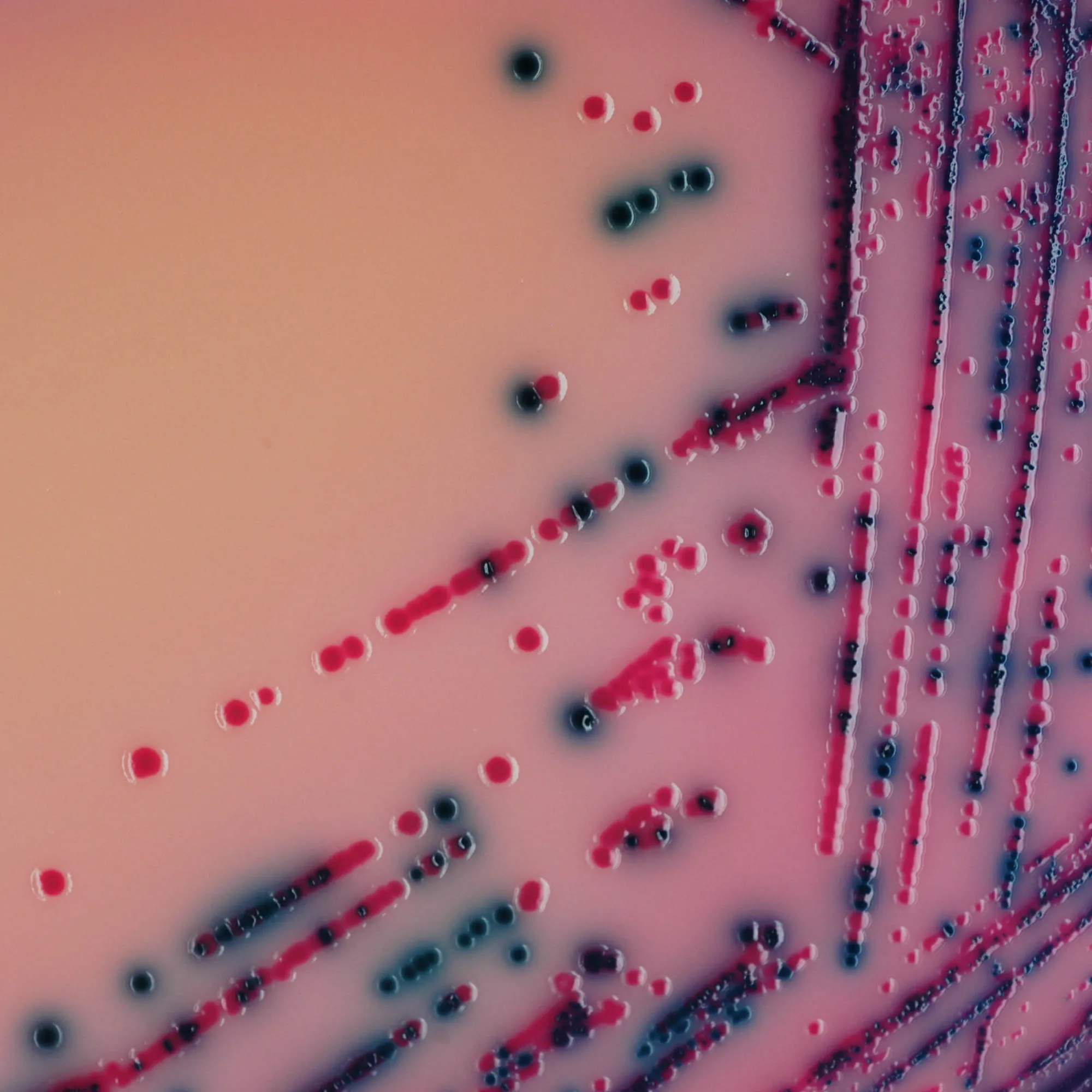
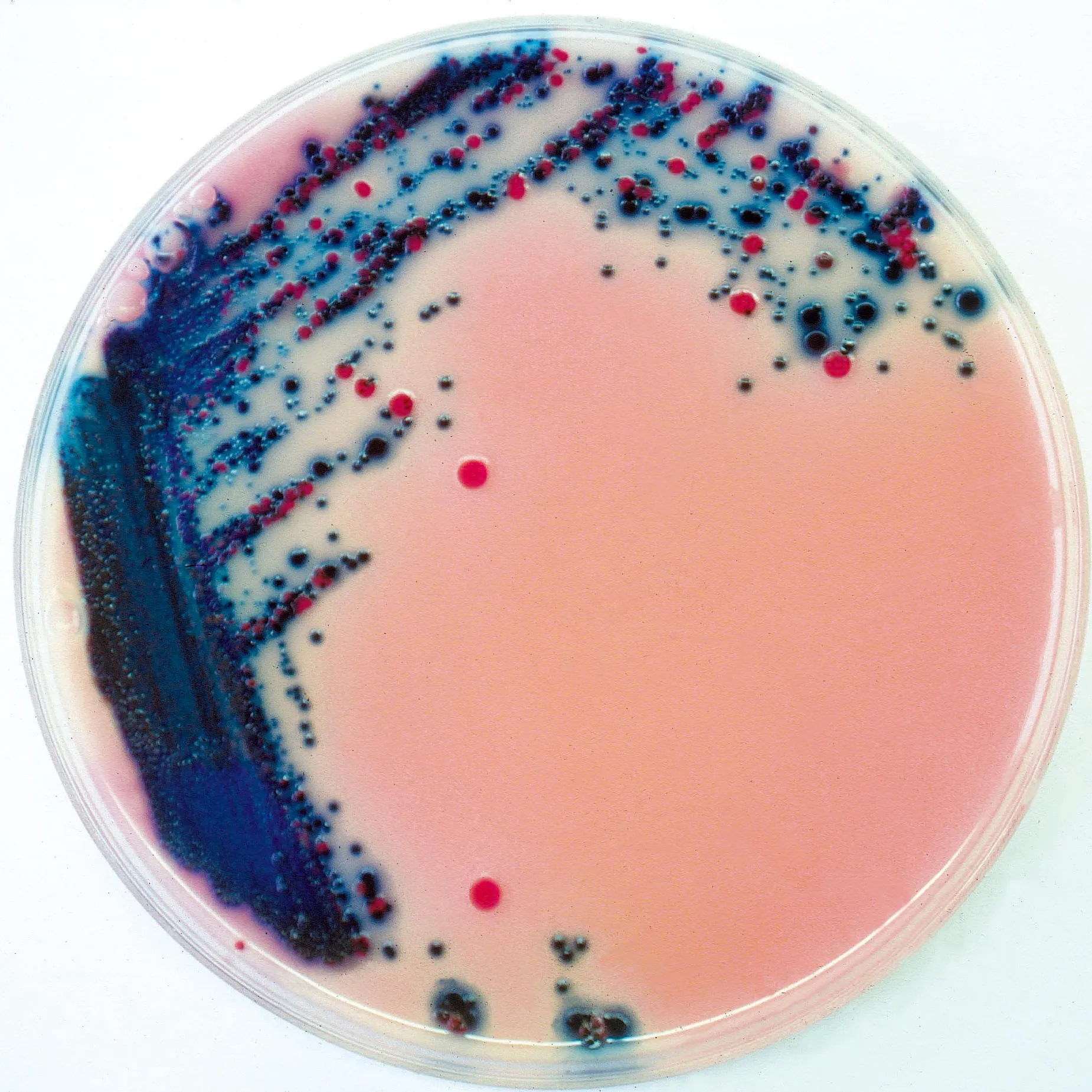
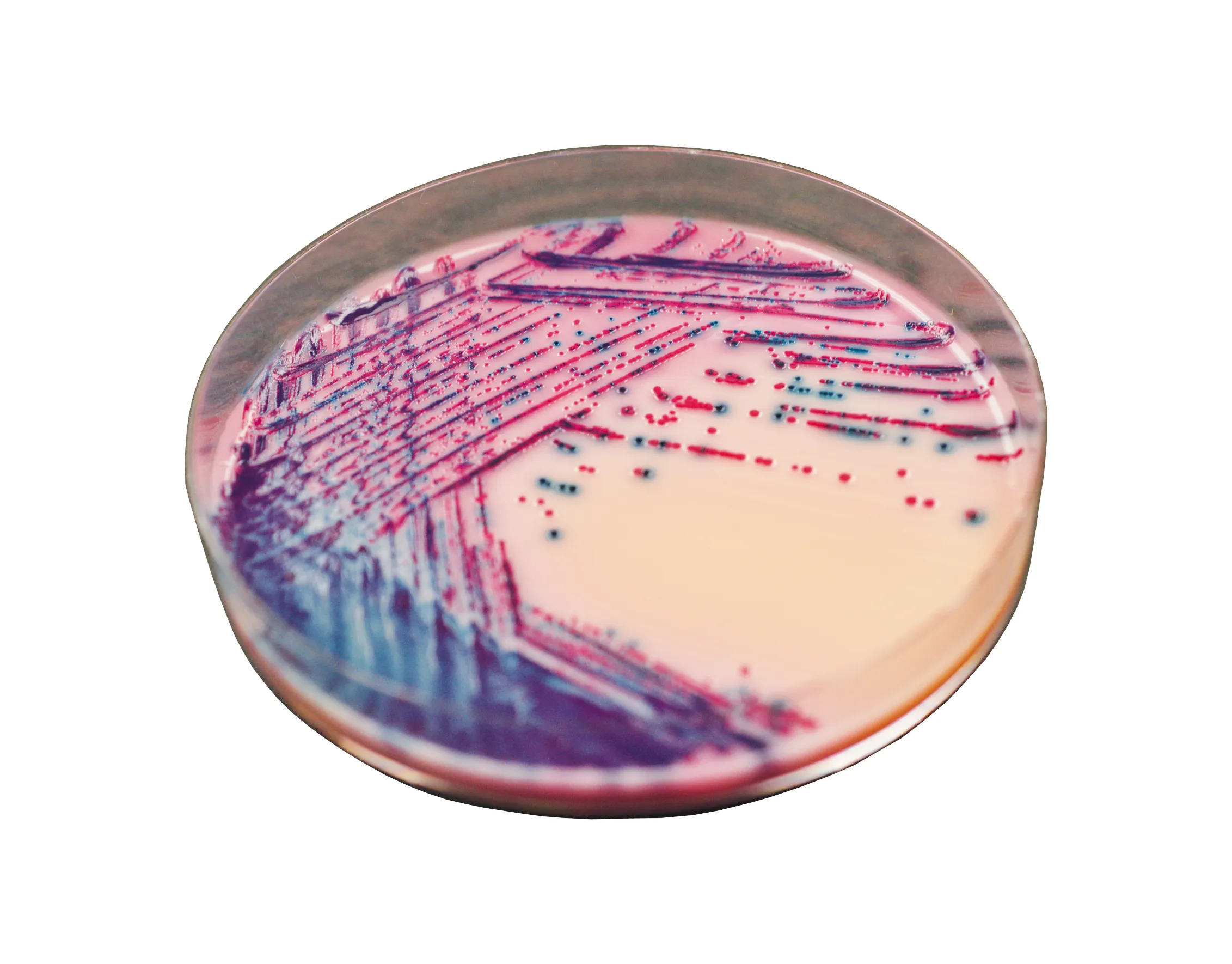


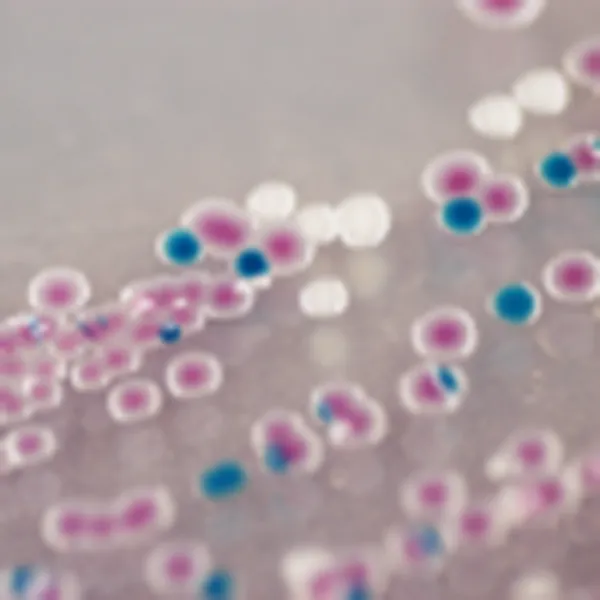
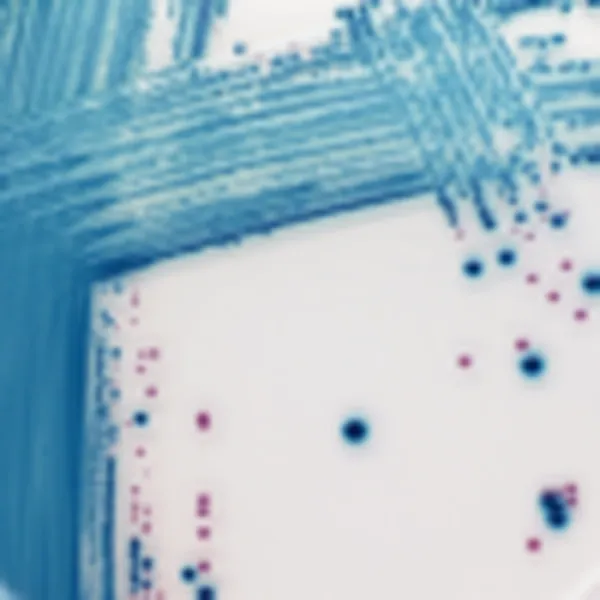
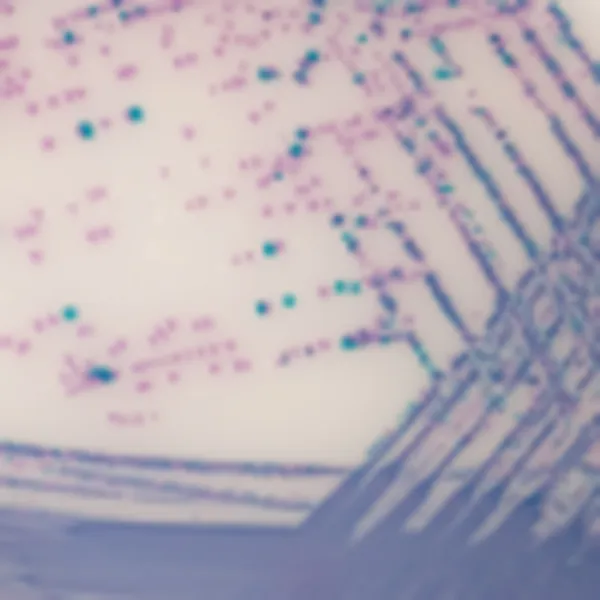
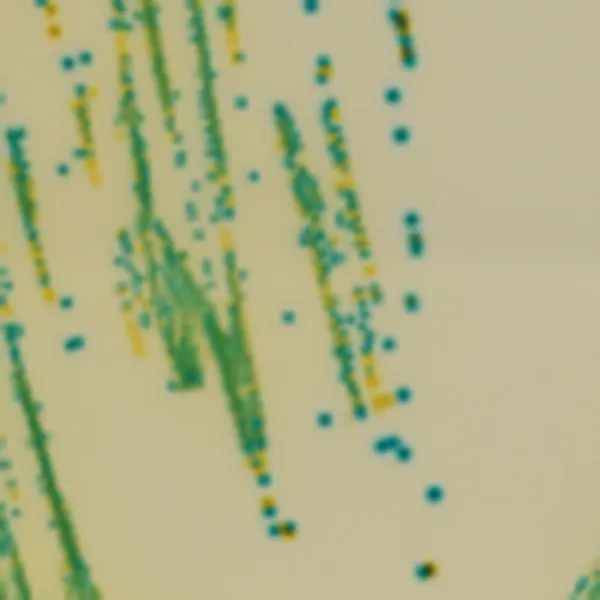
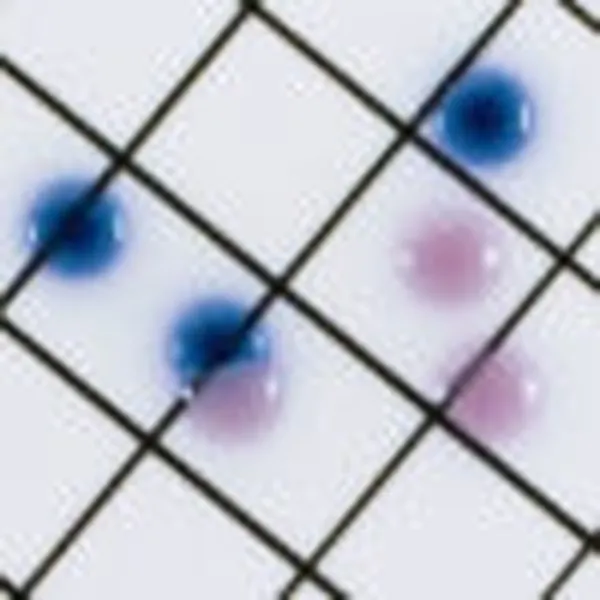
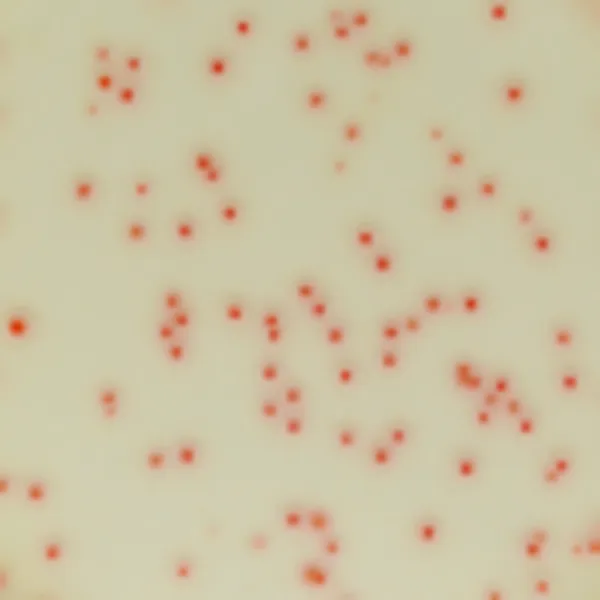
Colonies Appearance

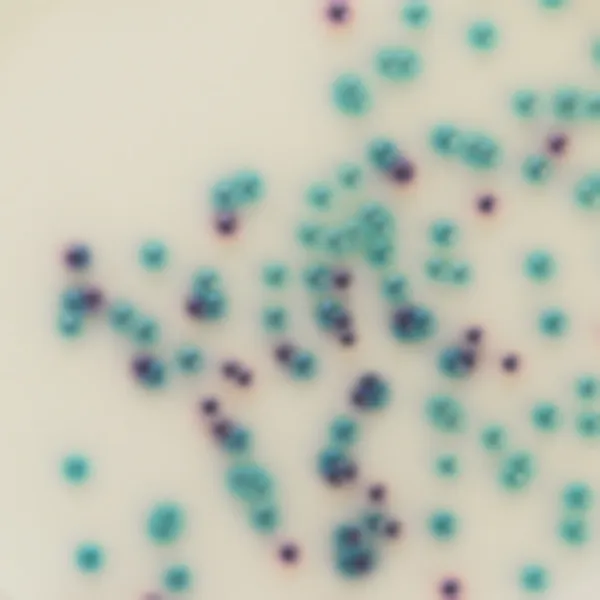
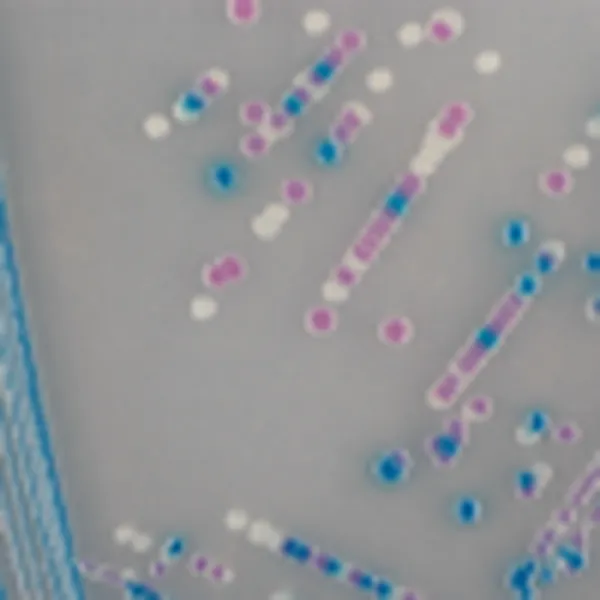
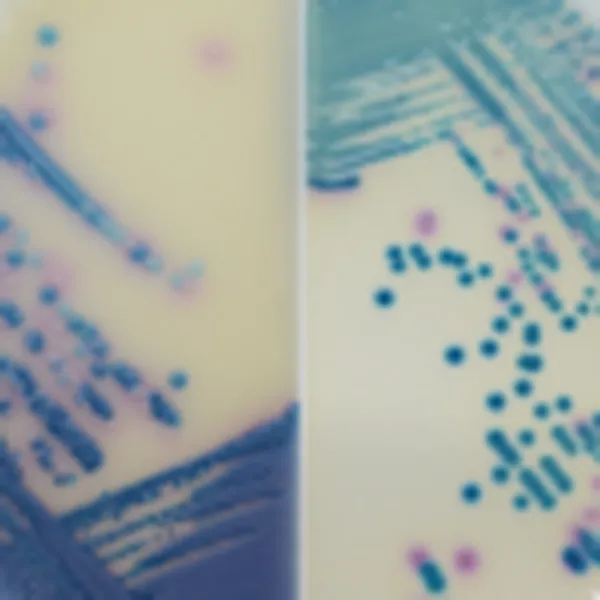
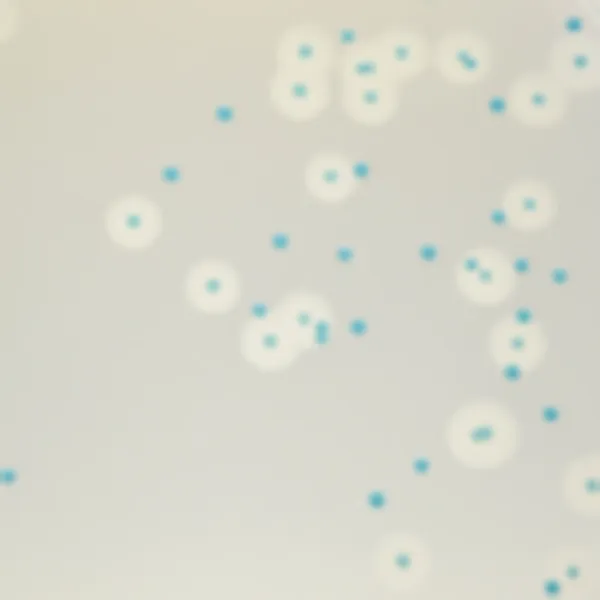
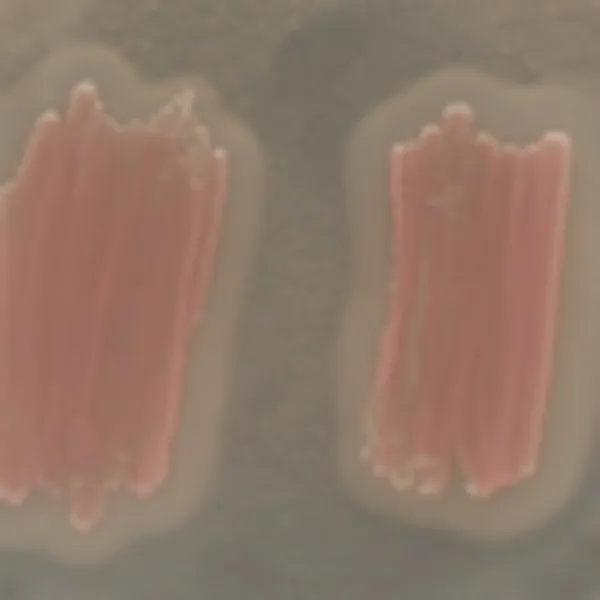
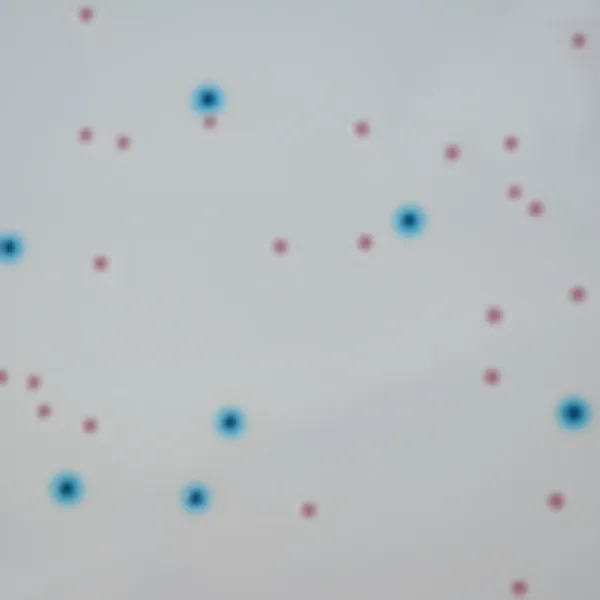
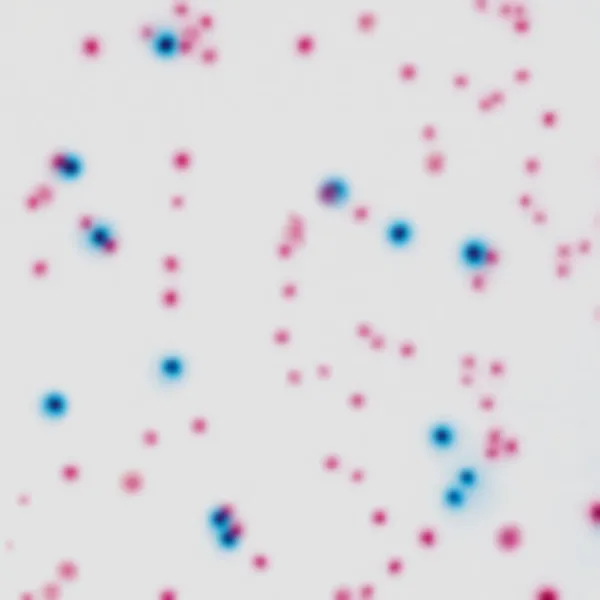
Salmonella
Red

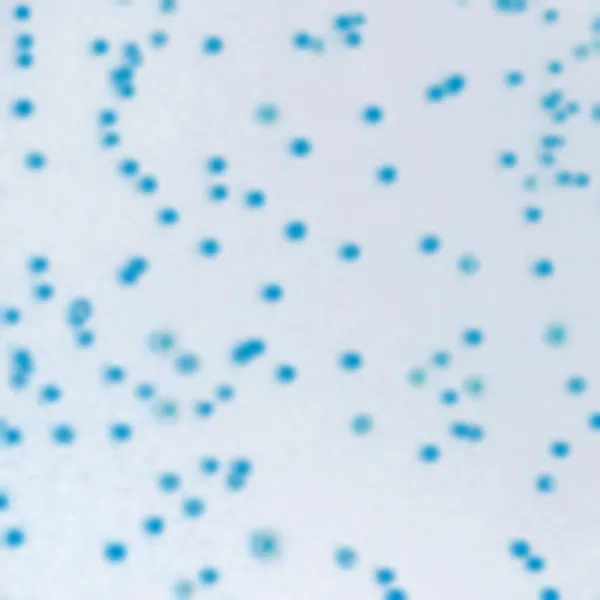
Coliformes
Blue, violet
Performance
Performance
Despite its early discovery in the 1880’s, Salmonella remains a major worldwide pathogen and one of the most common causes of food-borne infections. For instance, in the US, Salmonella has an incidence rate of 16.2 cases per 100,000 (CDC estimation, 2008).
Mainly due to contamination in the food chain and/or during food-production processes, Salmonella commonly induces enteric illness whose major symptoms are abdominal cramps, diarrhea, nausea, vomiting. More severe cases, for instance typhoid cases or infections in immuno-depressed patients, can lead to body dehydration with renal failure or bacteraemia.
This underlines the importance of a continuous control of Salmonella along the entire food production chain. Large scale testing is only possible with efficient detection tools.
1. Reliable : The first commercially available (1989) chromogenic medium for Salmonella is still successful today, thanks to its performance. It can be also used with clinical specimens.
4. Intense red colouration : for easy reading, compared to other chromogenic media.
5. Fast results : particularly useful in case of a sudden, dangerous outbreak of Salmonella food poisoning.
2. High specificity / less workload :
The conventional media for the detection of Salmonella by H2S character has very poor specificity, creating an abundance of false positives (Citrobacter, Proteus, etc.) among the rare real positive Salmonella.
The workload for unnecessary examination of suspect colonies is so high that the real positive Salmonella colonies might often be missed in routine testing. Because of their poor specificity, conventional media require tedious examination of a least 10 colonies per suspected sample.
On the contrary, Rambach™ Agar eliminates most of those false positives and allows technicians to focus on the real contaminated samples.
3. Very high sensitivity : Salmonella → 93,9 %*
*Sensitivity from scientific study: Gruenewald, R. et al. 1991. Use of Rambach Propylene Glycol Containing Agar for Identification of Salmonella spp. J.C.M. 29: 2354-2356.
Composition

Technical Documents

Scientific Publications
1998
Rambach Agar as a new plate differential medium for the identification of some enteric pathogens in meat products
📄 Publication1994
Improved rapid method for isolation and enumeration of Salmonella from bivalves using Rambach Agar
📄 Publication1994
Evaluation of motility enrichment on modified semisolid Rappaport-Vassiliadis medium (MSRV) and automated conductance in combination with Rambach Agar for Salmonella detection in environmental samples of a milk powder factory
📄 Publication1992
Intérêt du milieu Rambach pour l’isolement et l’identification rapide des Salmonella. Laudat P. et al.
📄 Publication1991
Use of Rambach propylene glycol containing agar for identification of Salmonella spp.
📄 Publication1990
New plate medium for facilitated differentiation of Salmonella spp. from Proteus spp. and other enteric bacteria
📄 Publication



Read more