

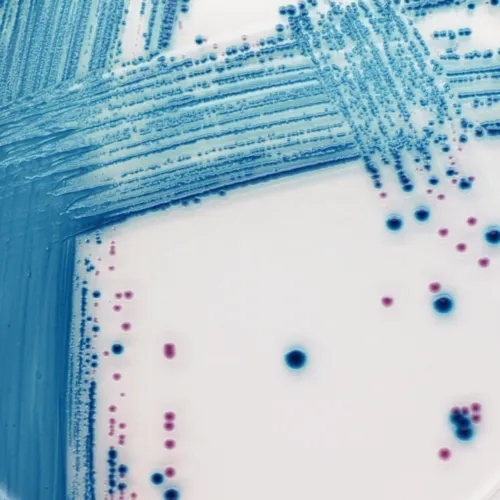
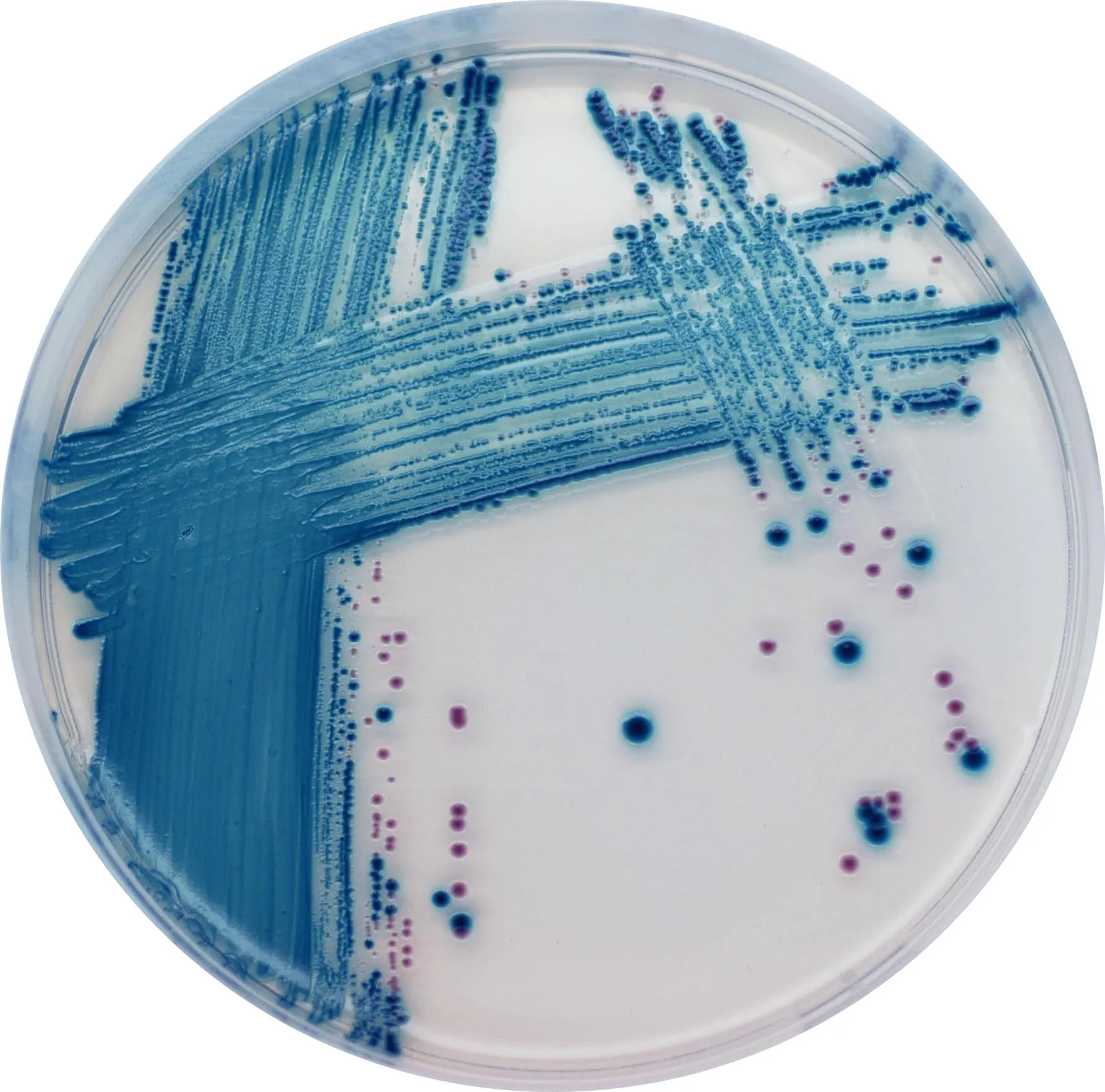
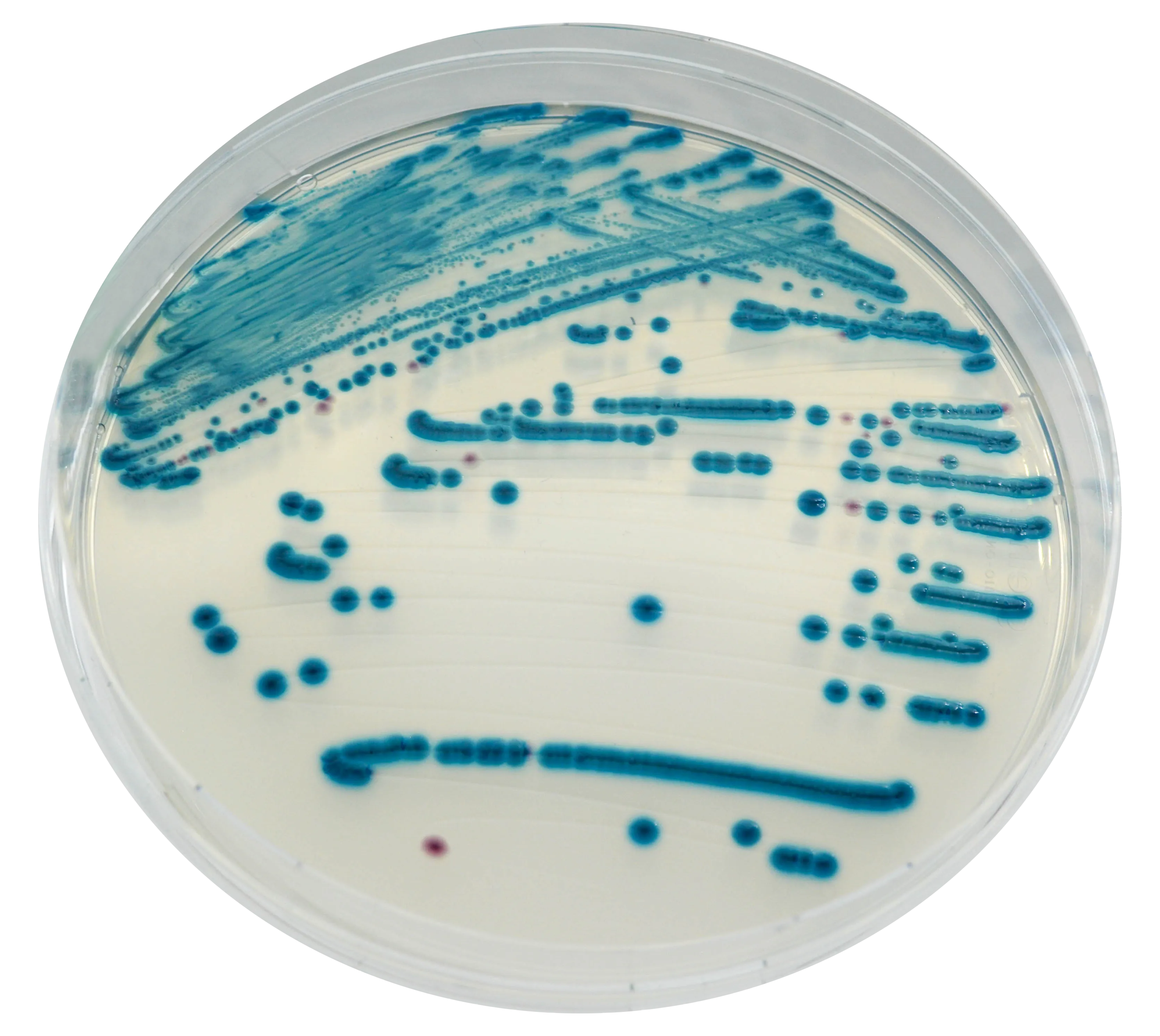
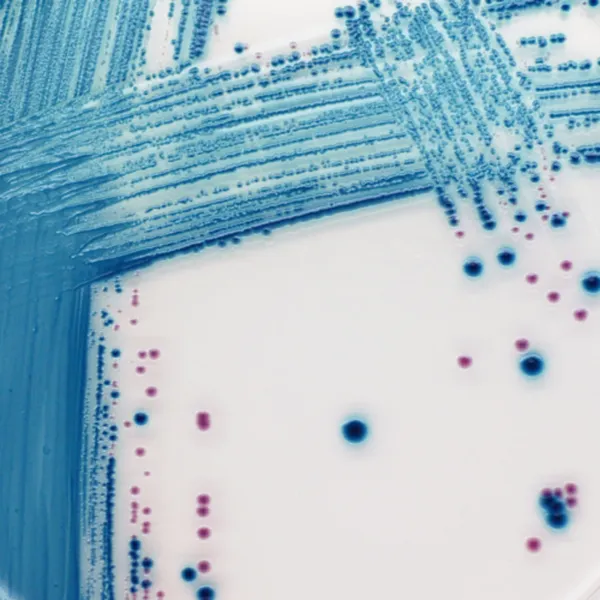
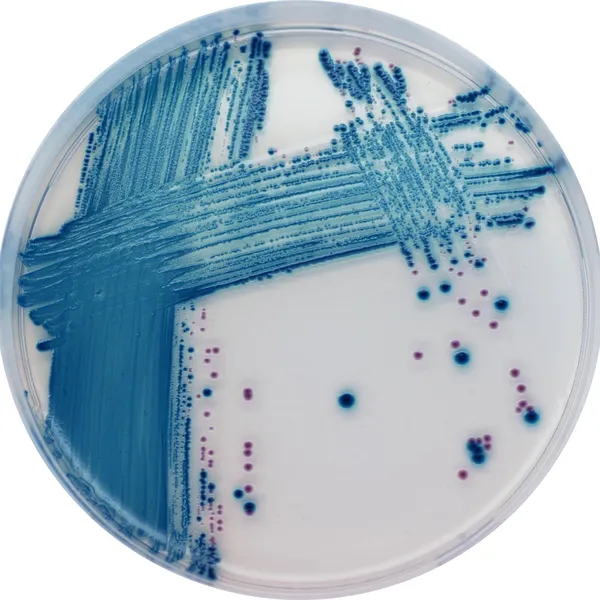
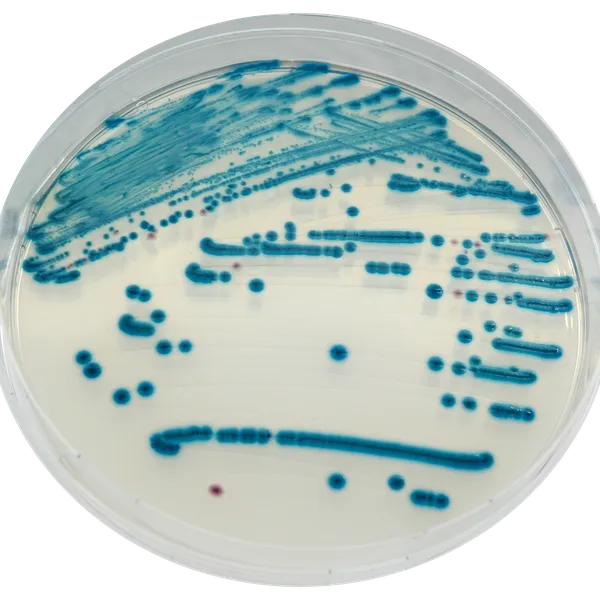
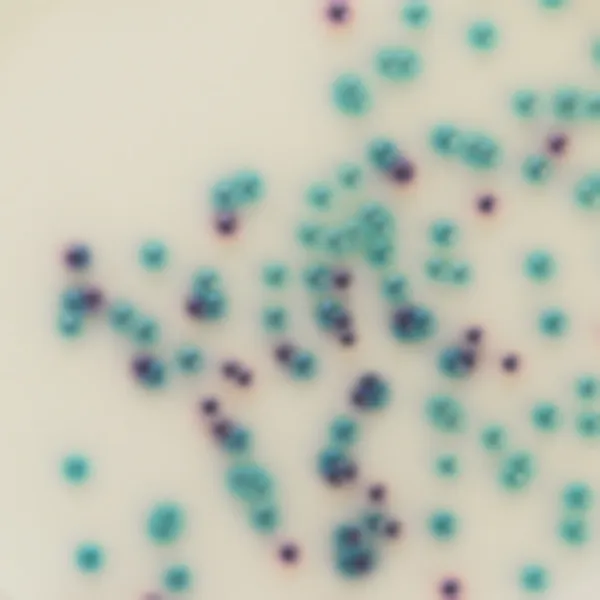
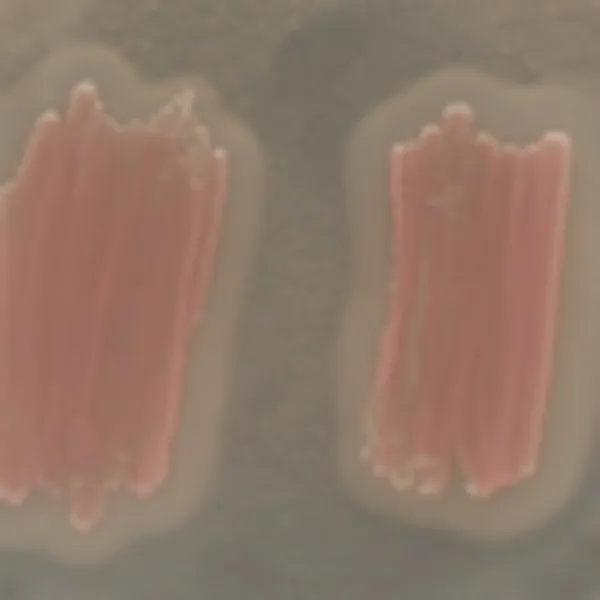
Colonies Appearance

Most common Shiga-Toxin
E. coli serotypes

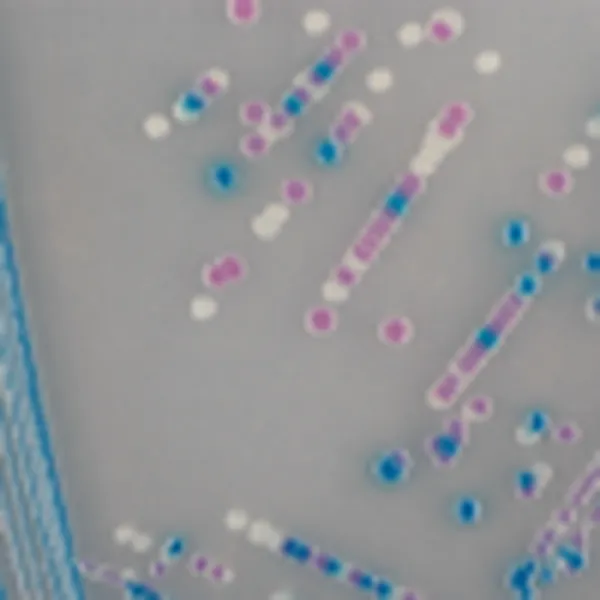
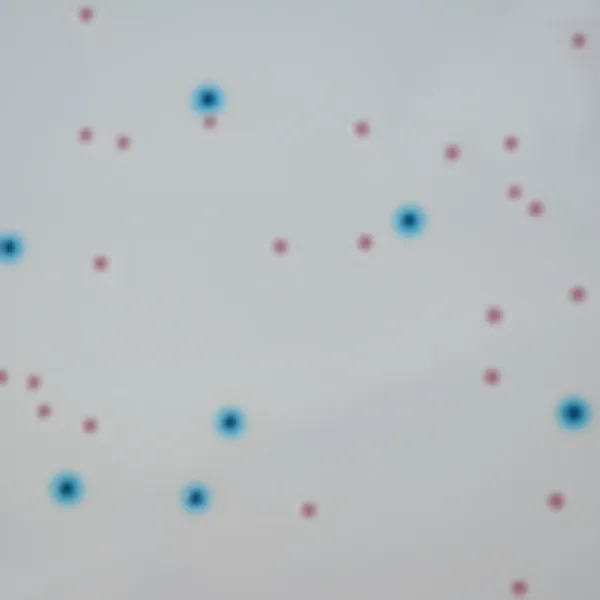
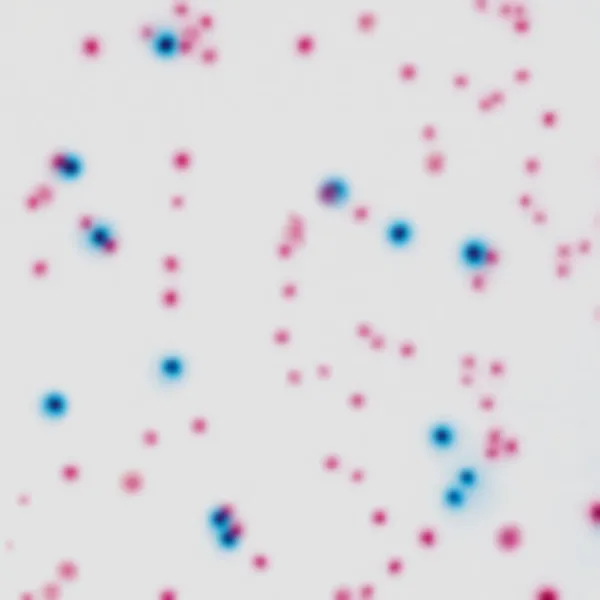
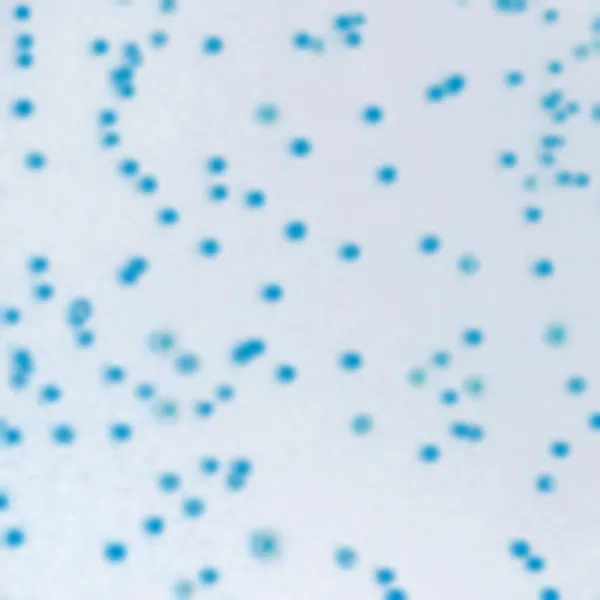
Other Enterobacteriaceae
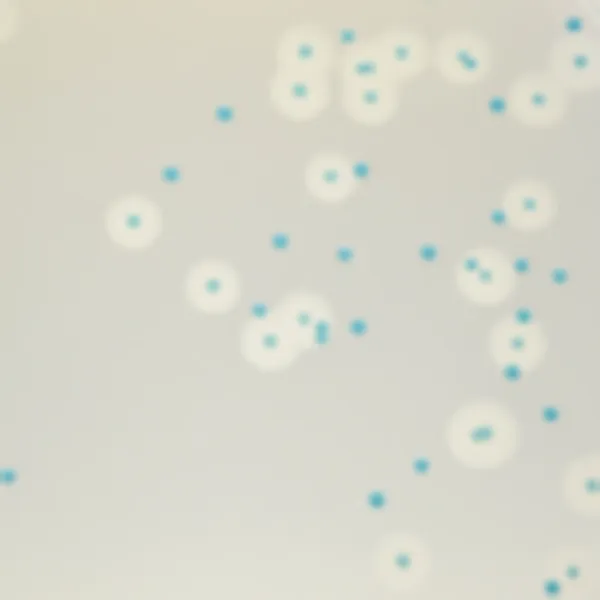
Colourless, blue or inhibited
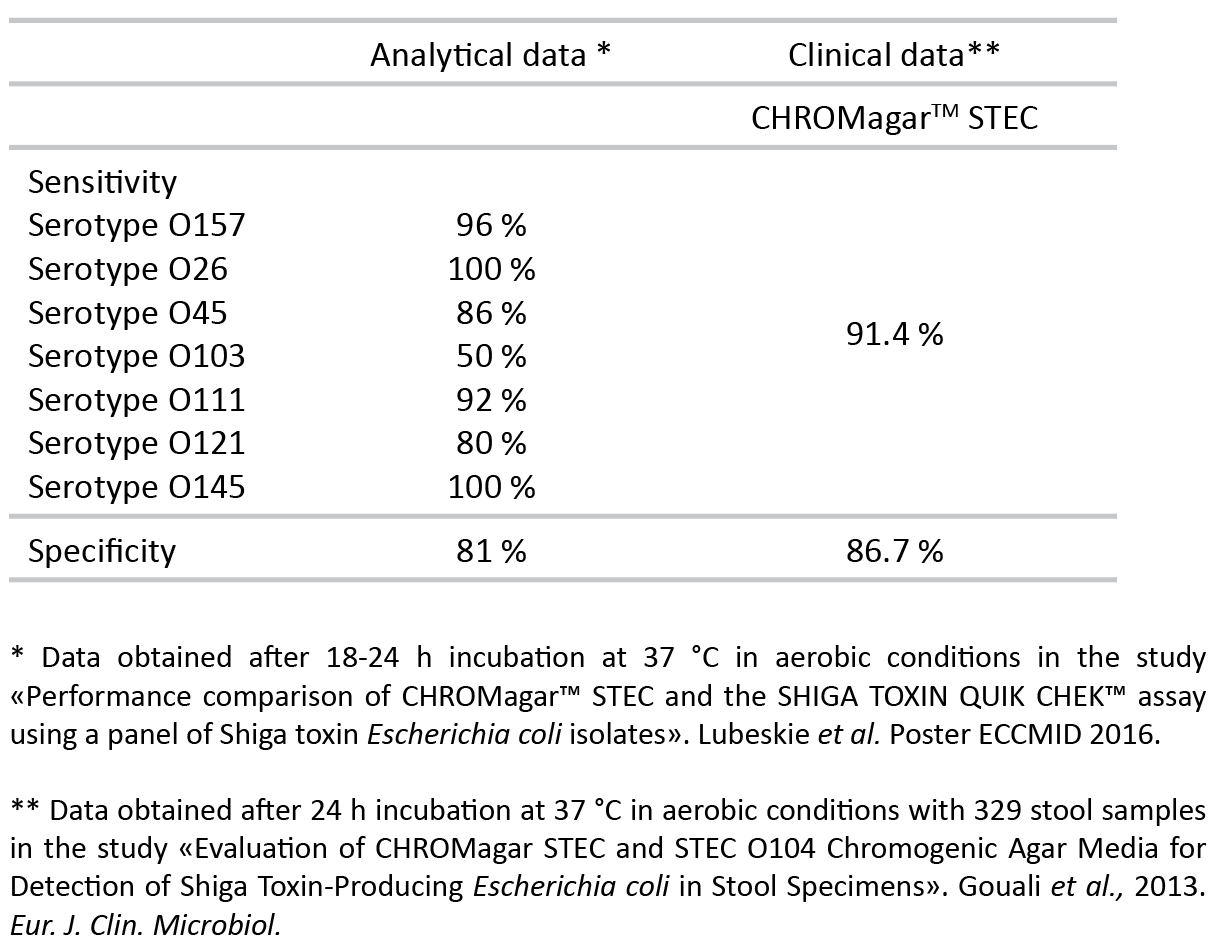
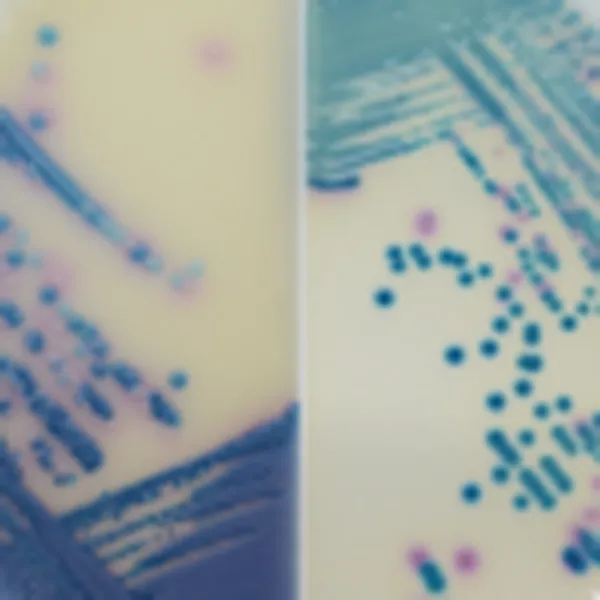
Performance
Performance
An increasing and worrisome number of studies have lately shown that, non-O157 ShigaToxin-producing E. coli (STEC) have been responsible for foodborne poisoning outbreaks. The CDC has also reported warnings about this potential risk:
“ Disease caused by Shiga toxin-producing Escherichia coli (STEC) ranges from self-limiting diarrhea to hemorrhagic colitis and hemolytic uremic syndrome (HUS). Serotype O157:H7, the most frequently implicated STEC causing hemorrhagic colitis and HUS, has been isolated from large foodborne outbreaks, as well as sporadic cases, in North America and abroad. However, 60 STEC serotypes have been implicated in diarrheal disease, and several non-O157:H7 serotypes have been implicated as the cause of foodborne outbreaks and HUS in the United States, Europe, and Australia. Studies from Canada, Europe, Argentina, and Australia suggest that non- O157:H7 STEC infections are as prevalent, or more so, than O157:H7 infection.”
CDC report « Prevalence of Non-O157:H7 Shiga Toxin-Producing Escherichia coli in Diarrheal Stool Samples [...]»
Therefore, several regulatory authorities urge worldwide food industry to implement measures to control the absence of such organisms in their production. In many cases, laboratories have limited their search for pathogenic E. coli to the common O157 serotype. This is due, among other reasons, to the fact that there were no available selective culture media for non-O157 E. coli.
CHROMagar™ STEC is designed to fill this gap: detection, as mauve colonies, of not only the classical STEC O157, but also many other serotypes.
Intended Use :
CHROMagar™ STEC is a selective chromogenic culture medium intended for use in the qualitative direct detection, differentiation and presumptive identification of Shiga-like-toxin producing Escherichia coli (STEC), to aid in the diagnosis of STEC infections. The test is performed with rectal swab and stools. Results can be interpreted after 18-24 h of aerobic incubation at 35-37 °C.
Concomitant cultures are necessary to recover organisms for further microbiological testing or epidemiological typing. A lack of growth or the absence of mauve colonies on CHROMagar™ STEC does not preclude the presence of STEC. CHROMagar™ STEC is not intended to diagnose infection nor to guide nor monitor treatment for infections.
CHROMagar™ STEC can also be used in the detection of STEC in the analyses of food products for human consumption, animal feed and in environmental samples.
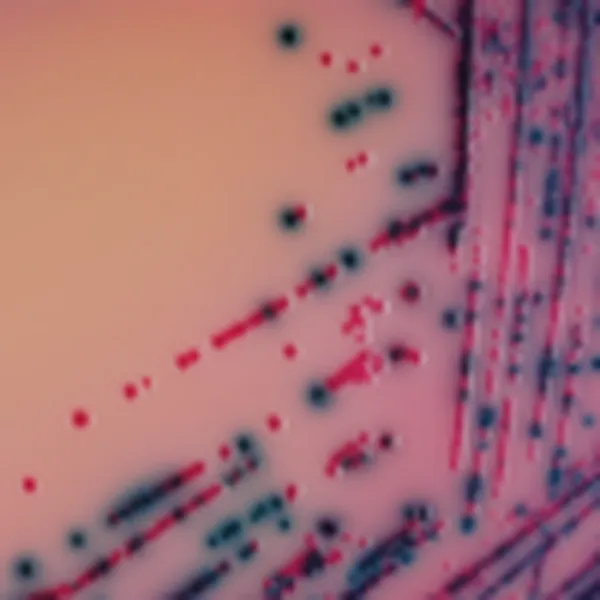
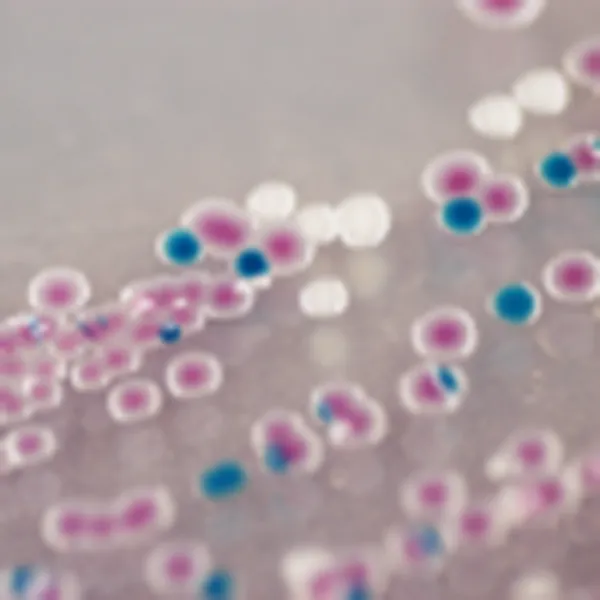
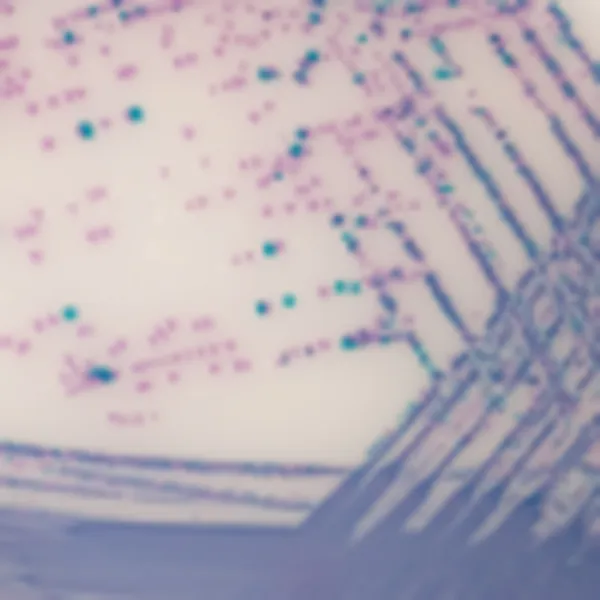
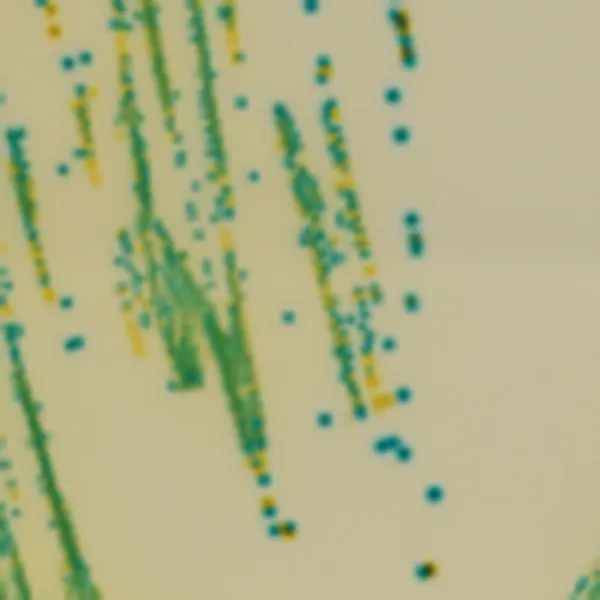
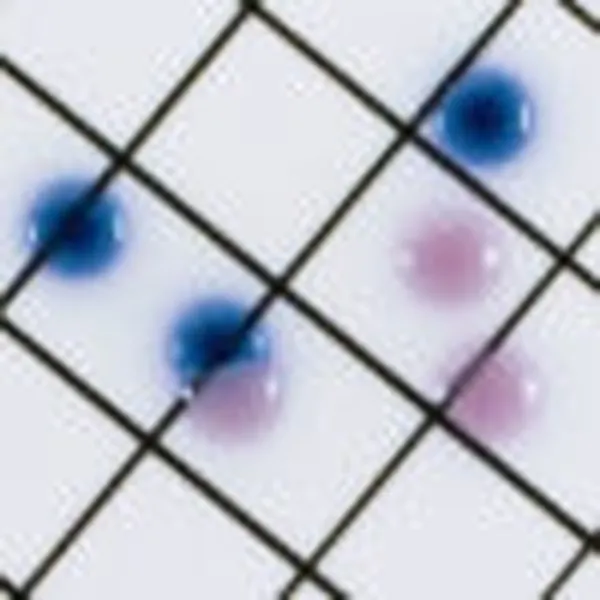
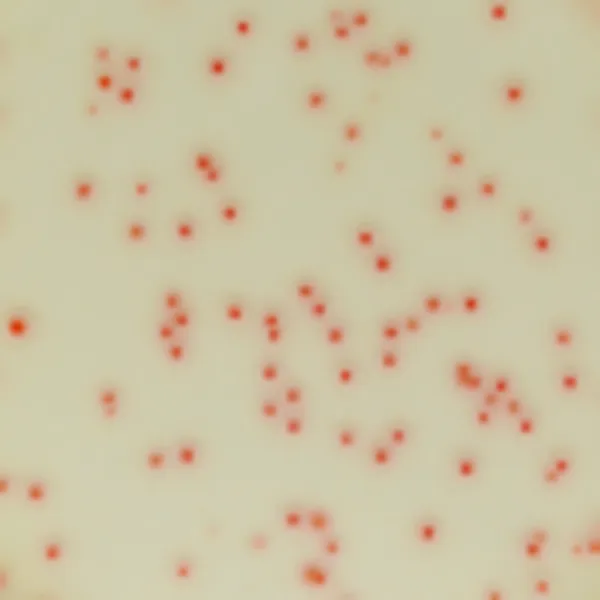
1. Easy reading : A majority of STEC strains grow in mauve colony color, while other bacteria grow in blue, colourless or are inhibited.
2. Highly STEC selective medium : Excellent tool for large number of samples screening procedures.
3. Worldwide premiere : Unique medium in the market for STEC detection.
4. Flexibility : It can be supplemented with additional compounds to render it even more selective for the strain causing an outbreak.
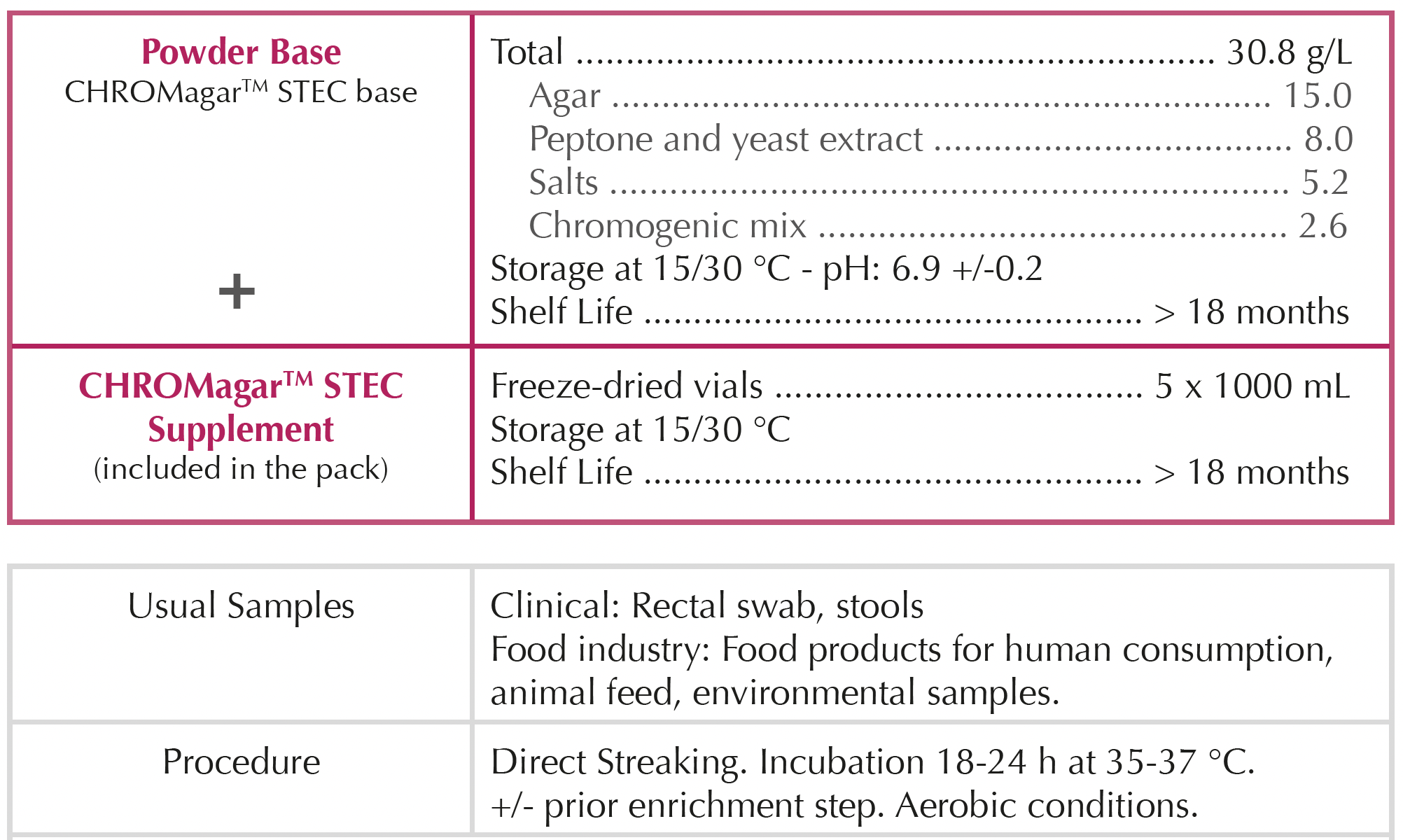
Composition
Technical Documents

Scientific Publications
2022
Non-O157 Shiga Toxin producing Escherichia coli (STEC) in Alberta, Canada from 2018-2021
📄 Publication2020
Evaluation of chromogenic selective agar (CHROMagar STEC) for the direct detection of Shiga toxin-producing Escherichi coli from faecal specimens
📄 Publication2018
Characterisation of STEC and other diarrheic E. coli isolated on CHROMagar™ STEC at a tertiary referral hospital, Cape Town
📄 Publication2016
Performance Comparison of CHROMagar™ STEC and the SHIGA TOXIN QUIK CHEK™ assay using a panel of Shiga Toxin Escherichia coli Isolates
📄 Publication2016
Assessment of commercial chromogenic solid media for the detection of non-O157 Shiga toxin-producing Escherichia coli (STEC)
📄 Publication2016
Comparison of Agar Media for Detection and Quantification of Shiga Toxin–Producing Escherichia coli in Cattle Feces
📄 Publication2015
Evaluation of detection methods for non-O157 Shiga toxin-producing Escherichia coli from food
📄 Publication2015
Comparison of Six Chromogenic Agar Media for the Isolation of a Broad Variety of Non-O157 Shigatoxin-Producing Escherichia coli (STEC) Serogroups
📄 Publication2014
Evaluation of three ELISA or lateral flow assays and a chromogenic agar to detect shiga toxin-producing E.coli in stool
📄 Publication2014
Two-step of Shiga-toxigenic Escherichia coli (STEC) with chromogenic media (CGM) and enzyme immunoassay (EIA) from human stool samples
📄 Publication2013
Evaluation of a new chromogenic agar medium for detection of shiga toxin-producing Escherichia coli (STEC) and relative prevalences of O157 and non O157 STEC in Manitoba, Canada
📄 Publication2013
Evaluation of Different Commercial Agar Media for the Detection of Shiga Toxin‐ Producing Escherichia coli and the Use of Molecular Typing to Rapidly Identify Serotypes
📄 Publication2013
Validation of the detection and isolation of verocytotoxigenic E. coli (VTEC) belonging to the serogroups O26, O103, O111 and O145 in beef meat, carcass swabs, fresh vegetables and raw milk according to ISO/TS 13136:2012
📄 Publication2013
Evaluation of CHROMagar STEC and STEC O104 Chromogenic Agar Media for detection of Shiga Toxin-producing Escherichia coli in stool specimens
📄 Publication2013
Dramatic change in the apparent epidemiology of Shiga-toxigenic E.coli infection associated with introduction of CHROMagar STEC
📄 Publication2012
Improving diagnostics of diarrheagenic Escherichia coli by use of a new chromogenic medium
📄 Publication2012
Evaluation of a new chromogenic agar medium for detection of shiga toxin producing Escherichia coli
📄 Publication2012
Usability and Performance of CHROMagar STEC Medium in Detection of Shiga Toxin-Producing Escherichia coli Strains
📄 Publication2011
A rapid procedure for the detection and isolation of enterohaemorrhagic Escherichia coli (EHEC) serogroup O26, O103, O111, O118, O121 and O157 strains and the aggregative EHEC O104:H4 strain from ready-to-eat vegetables
📄 Publication



Read more