

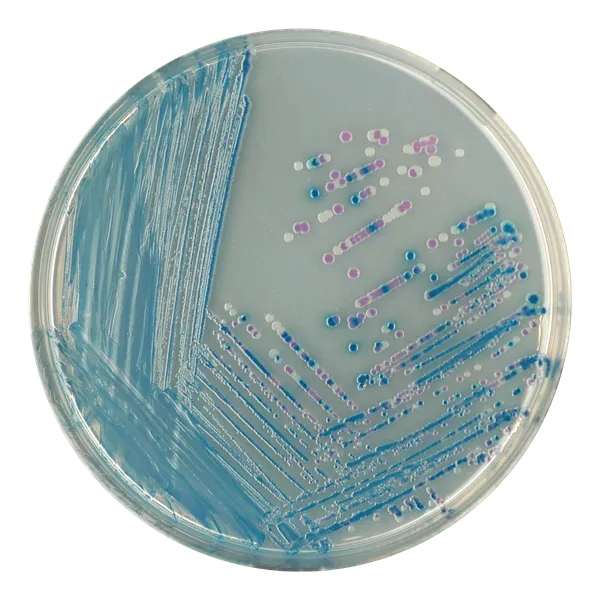
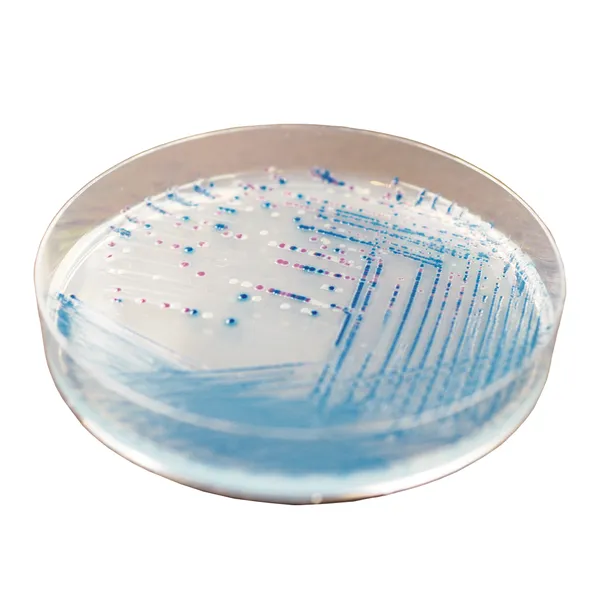
Colonies Appearance

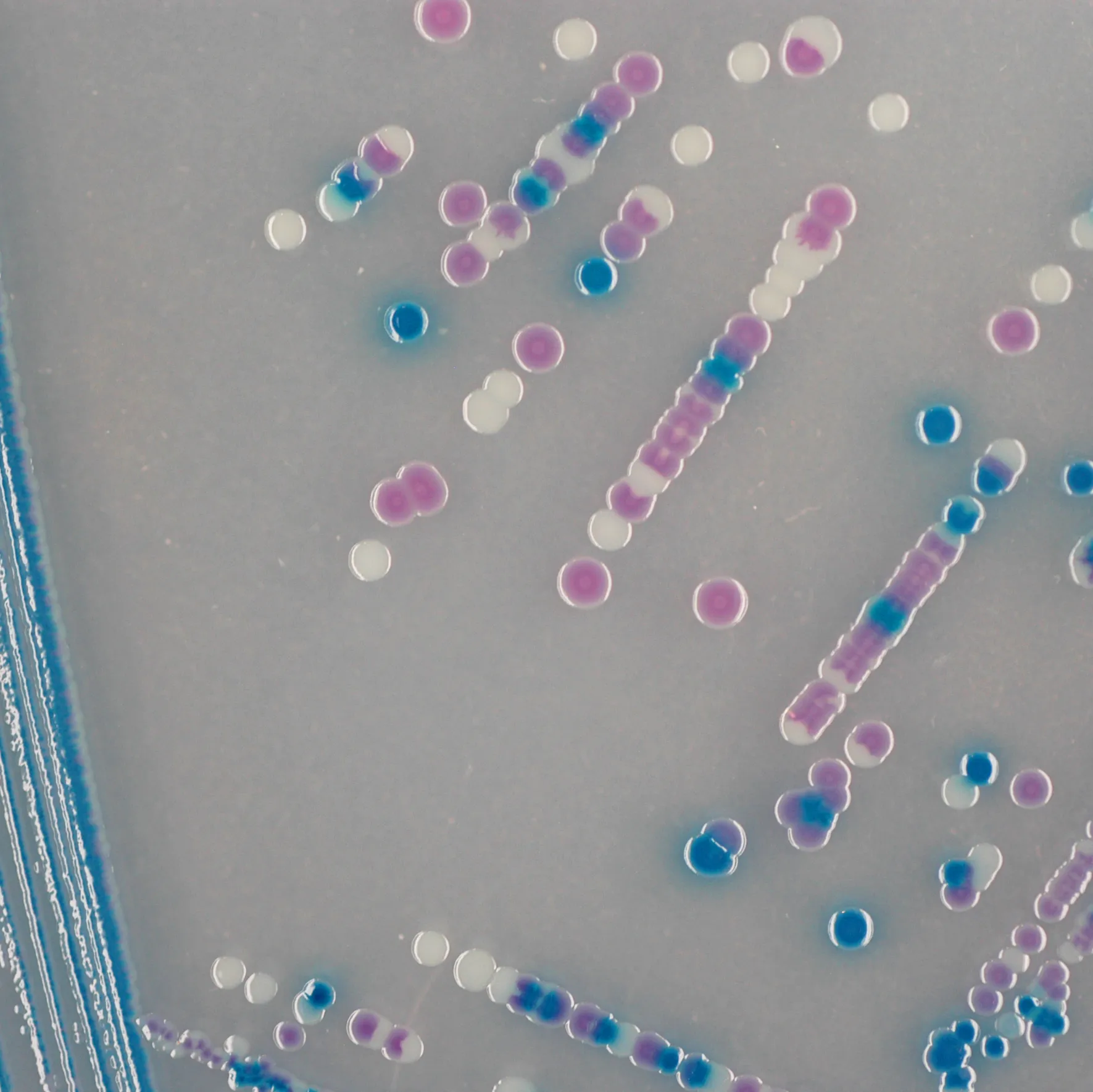
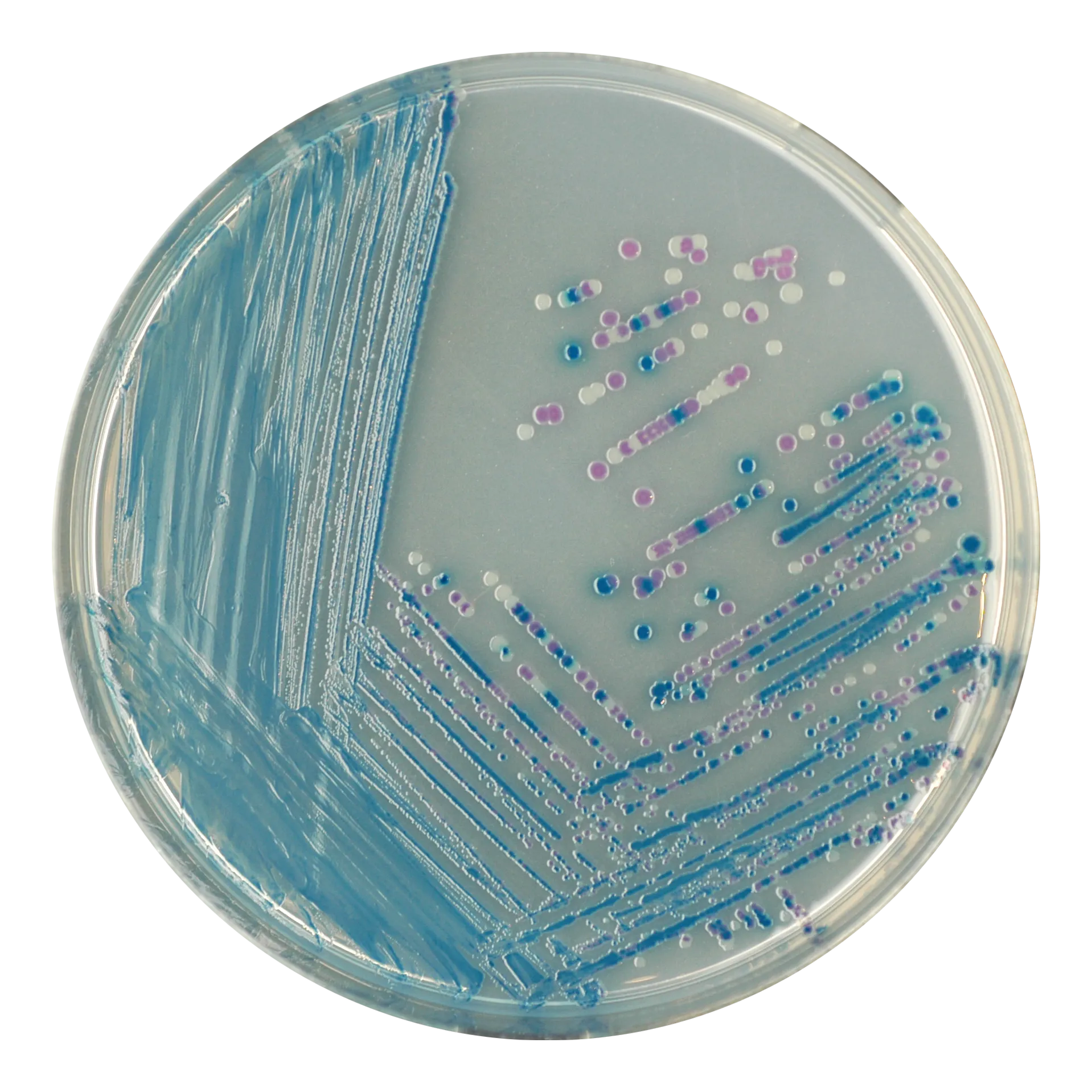
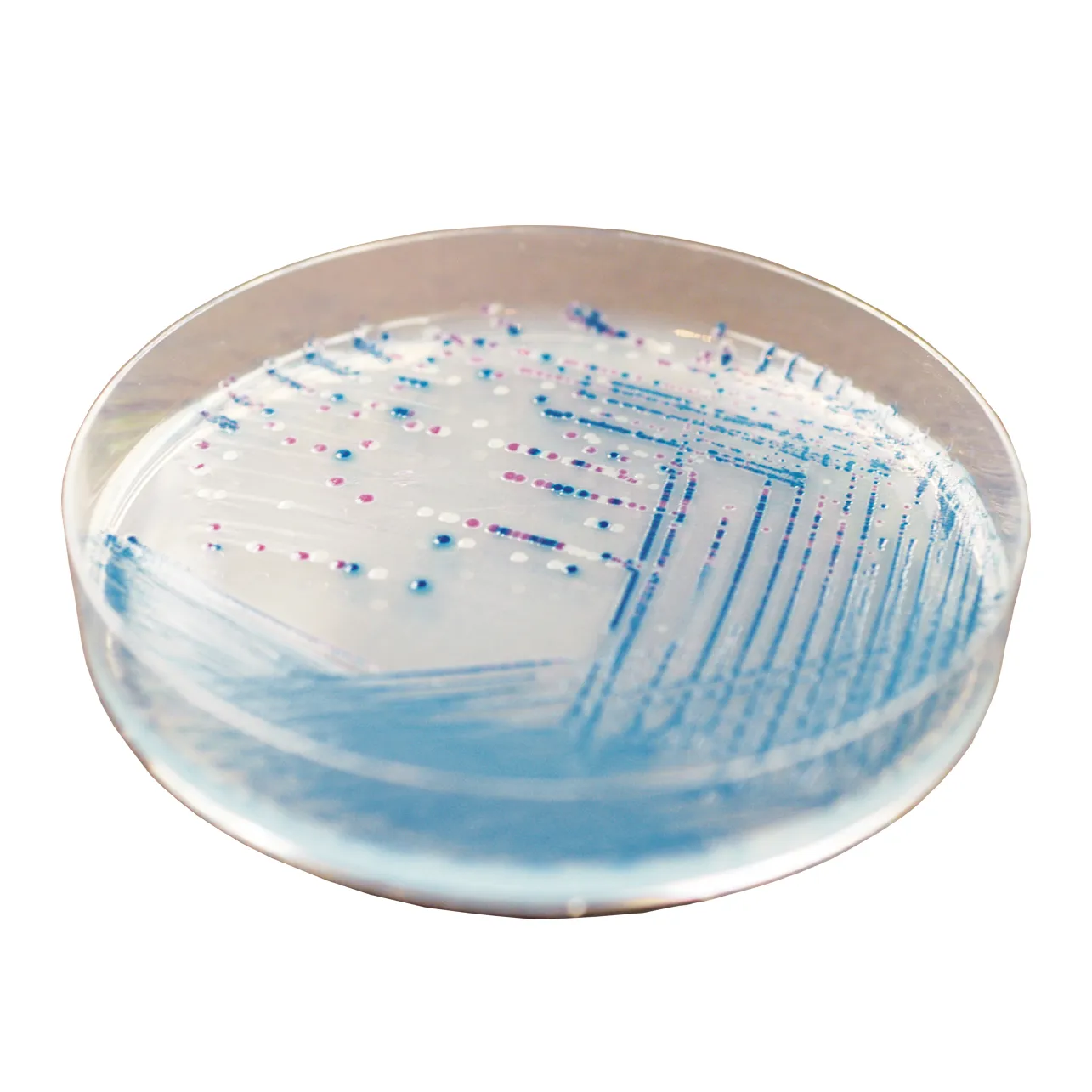
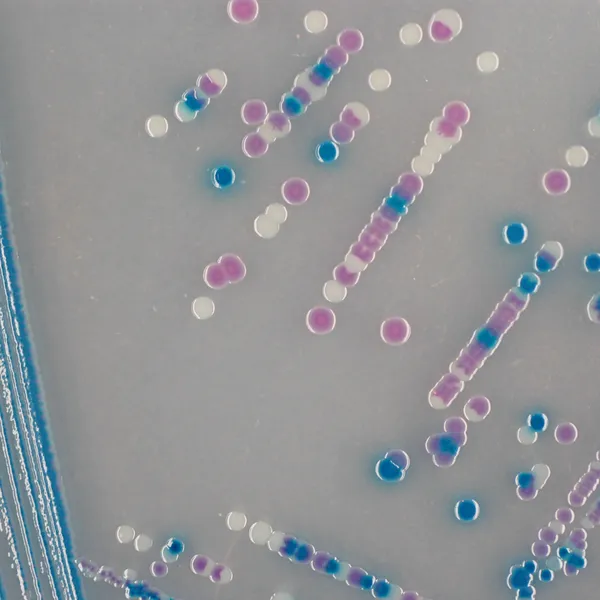
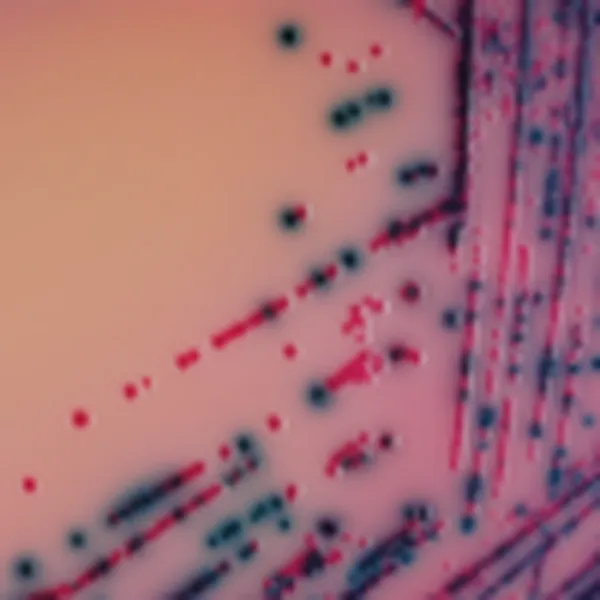
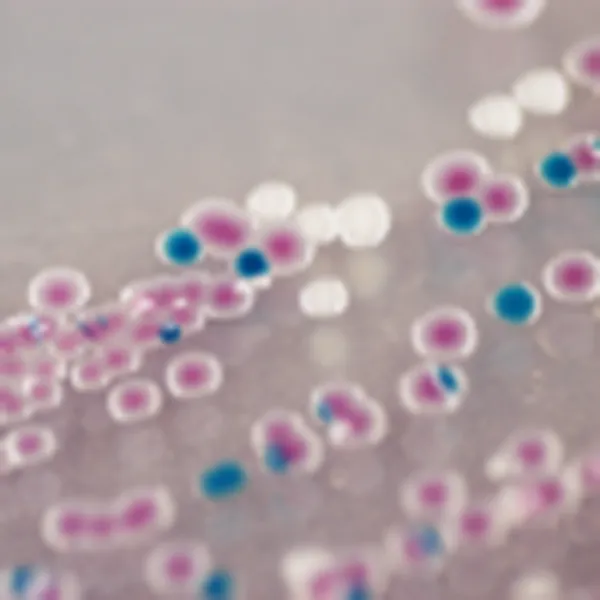
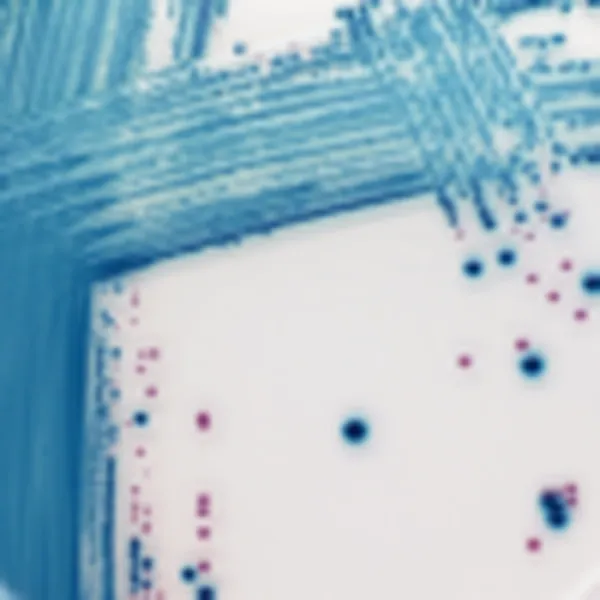
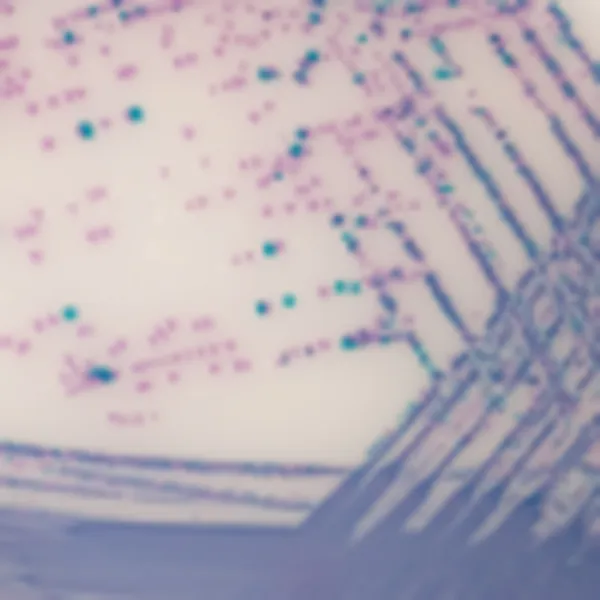
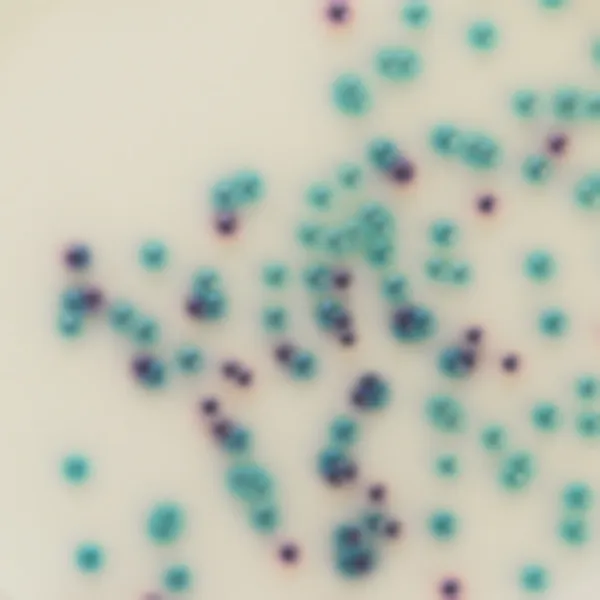
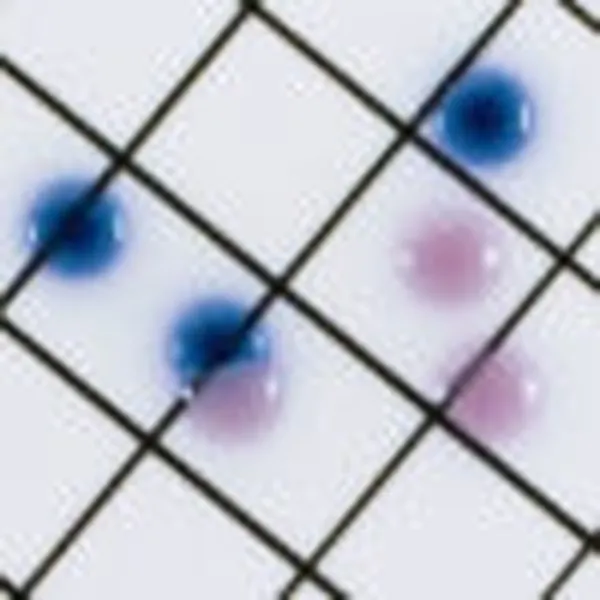
E. coli O157
Mauve

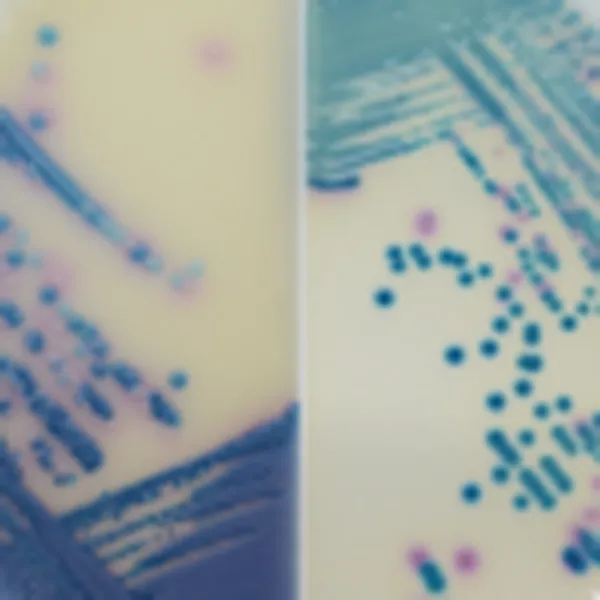
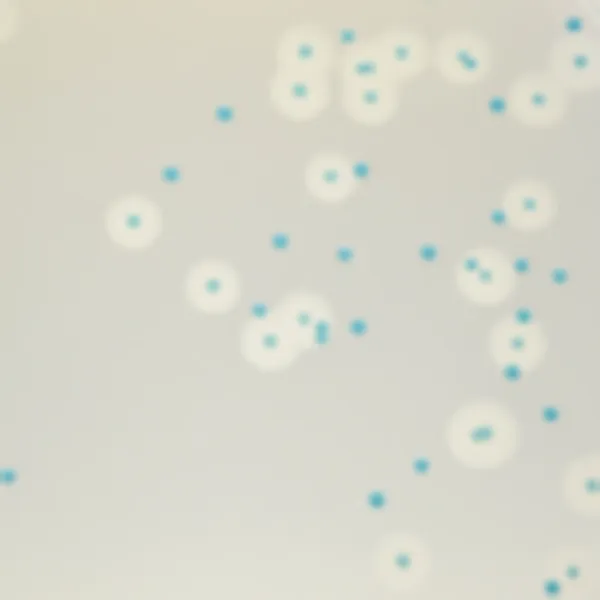
Other bacteria
Steel blue, colourless or inhibited
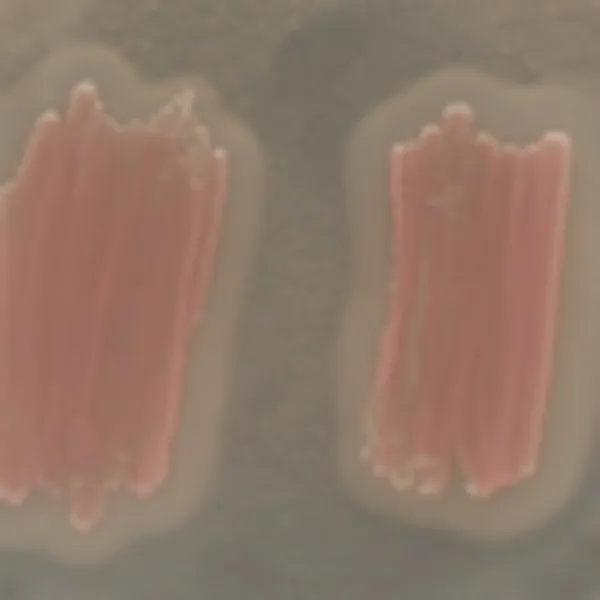
Performance
Performance
Escherichia coli (E. coli) are bacteria commonly found in the gut of humans and warm-blooded animals. Most strains of E. coli are harmless. Some strains, however, such as Verocytotoxigenic E. coli (VTEC), also known as Shigatoxigenic E. coli (STEC) can cause severe foodborne diseases. Enterohaemorrhagic E. coli (EHEC) are a subset of VTEC, which can cause severe disease in humans such as Haemolytic Uraemic Syndrome (HUS). VTEC have been isolated from the gut contents of many animals, including cattle and sheep. VTEC are mainly transmitted to humans primarily through consumption of contaminated foods, but can also be transmitted through handling animals carrying these bacteria.
The E. coli serotype O157:H7 or its non-motile variant O157:H- is the most common VTEC serotype in relation to public health. Its significance was recognized in 1982, following two outbreaks in the USA. Since then, more than 180 outbreaks have been reported worldwide, with an estimated W.H.O figure of 70,000 infections per year.
1. Easier detection compared to SMAC: E. coli O157 is detected by a characteristic mauve colour after only 24 h of incubation, while most other E. coli are blue. The conventional medium for the detection of E. coli O157 is Sorbitol MacConkey (SMAC) Agar, which has very poor specificity, thus exhibiting an abundance of false positives (Proteus, E. hermanii, etc.). Sorbitol MacConkey Agar is also difficult to read because there is a change of colouration in the case of prolonged incubation.
2. High Sensitivity : E. coli O157 : 89% *
*Sensitivity from scientific study: K.A. Bettelheim, 1998. Reliability of CHROMagar™ O157 for the detection of enterohaemorrhagic E. coli (EHEC) O157 but not EHEC belonging to other serogroups. J.Appl.Microbiol.85:425-428.
3. Flexibility: Gain flexibility using powder rather ready to use plates.
.
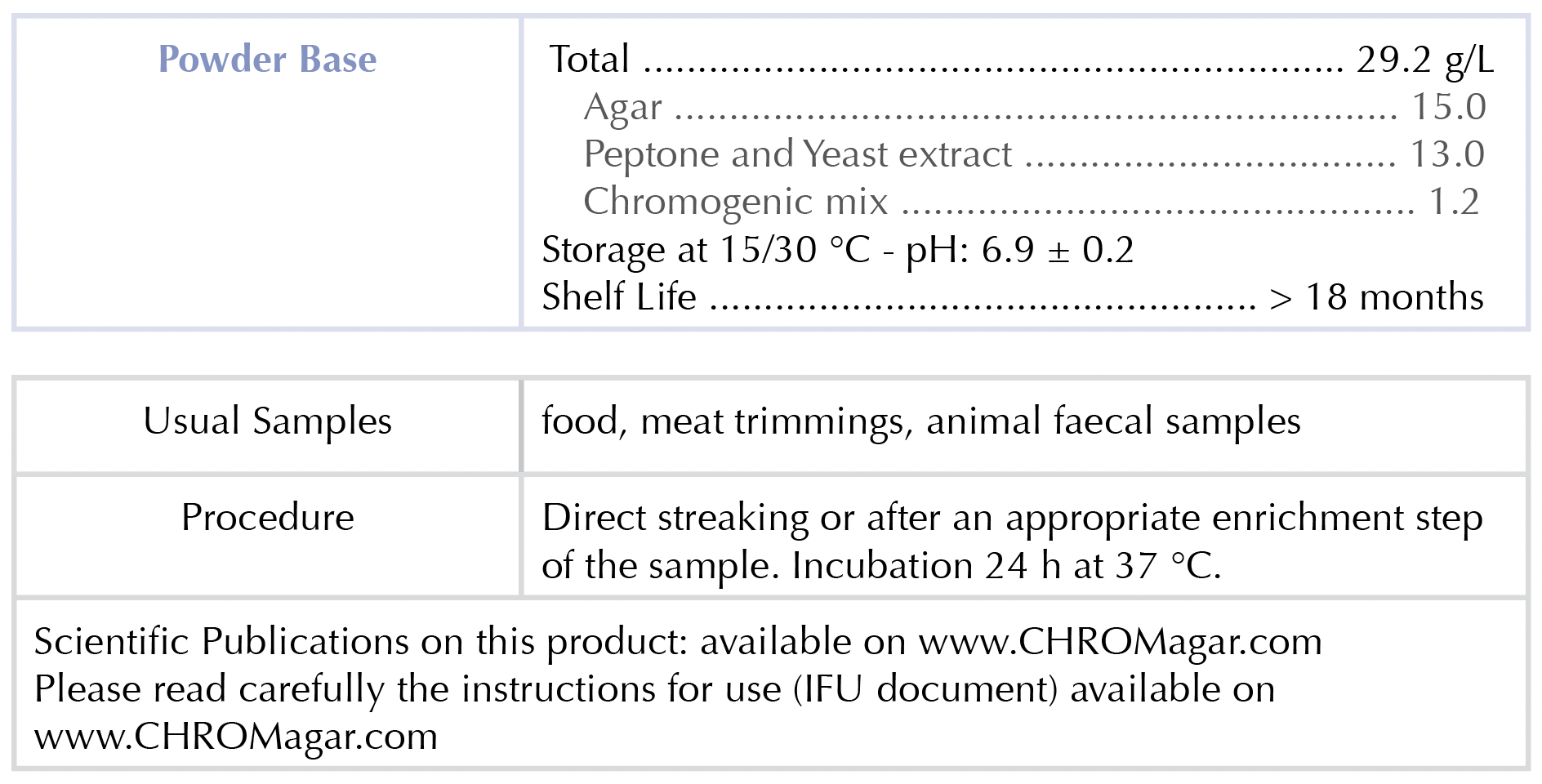
Composition
Technical Documents

Scientific Publications
2012
Detection, isolation and molecular characterisation of Shigatoxigenic O157 and non-O157 Escherichia coli in raw and fermented camel milk
📄 Publication2007
Shiga-toxigenic Escherichia coli O157 and non-Shiga-toxigenic E. coli O157 respond differently to culture and isolation from naturally contaminated bovine faeces
📄 Publication2001
The optimization of isolation media used in immunomagnetic separation methods for the detection of Escherichia coli O157 in foods.
📄 Publication1998
Reliability of CHROMagar O157 for the detection of enterohaemorrhagic Escherichia coli (EHEC) O157 but not EHEC belonging to other serogroups
📄 Publication1996
The use of selective and differential agars in the isolation of Escherichia coli O157 from dairy herds
📄 Publication



Read more