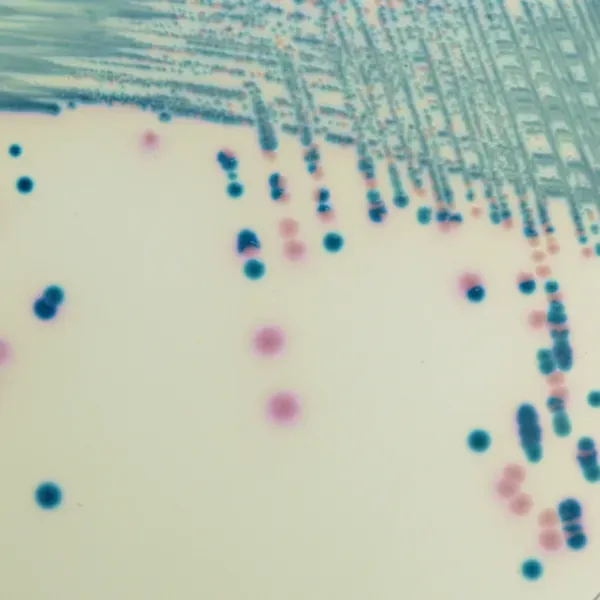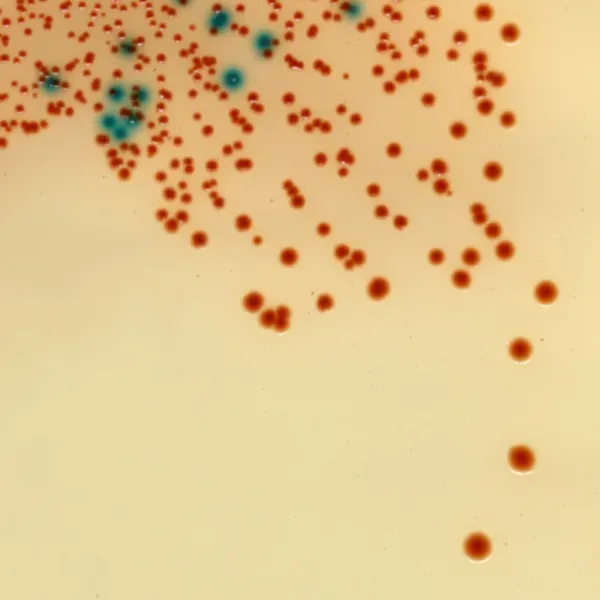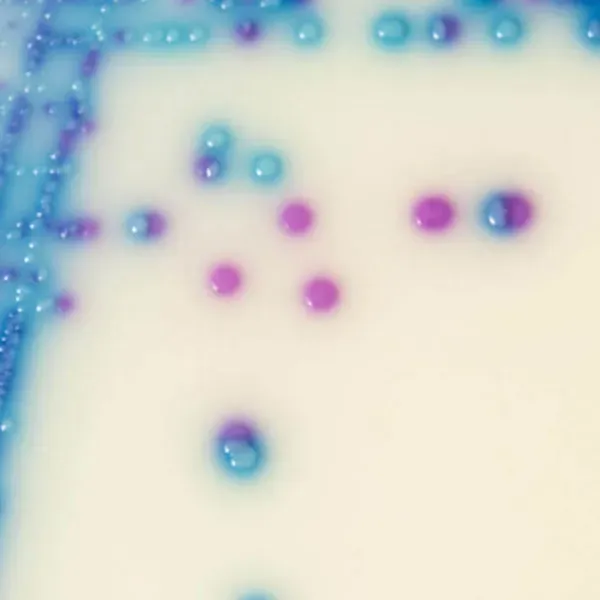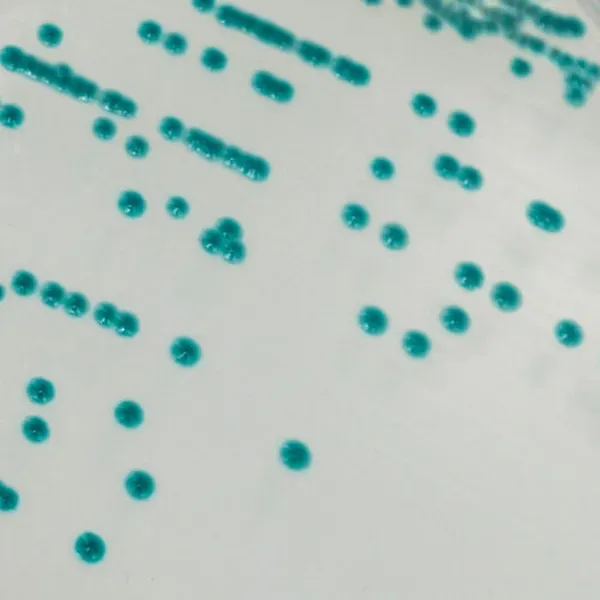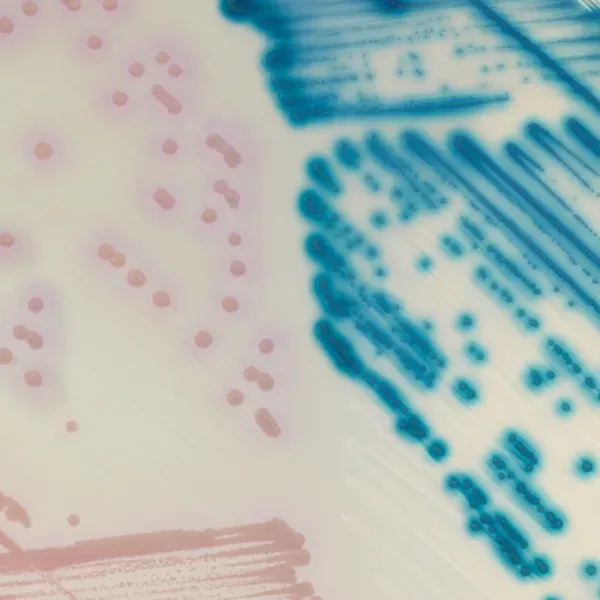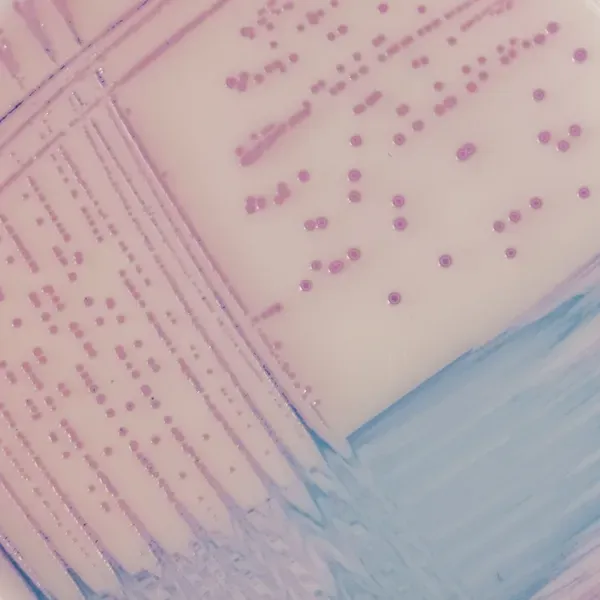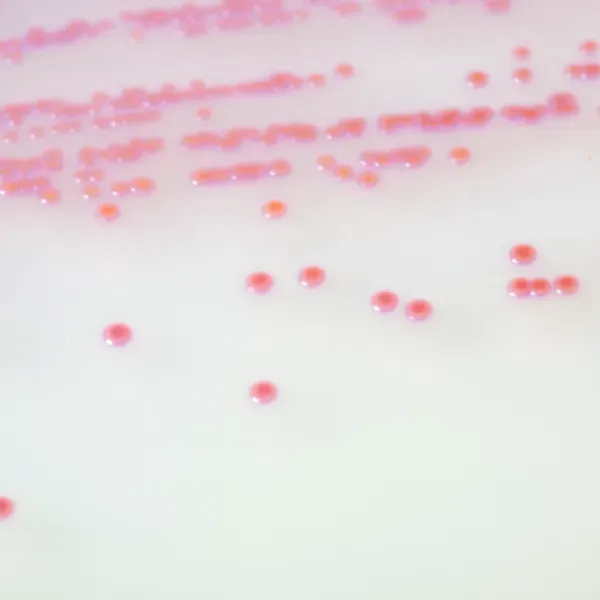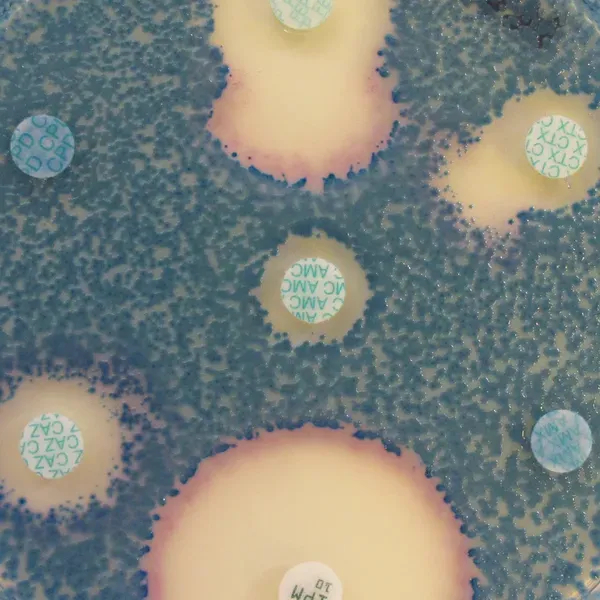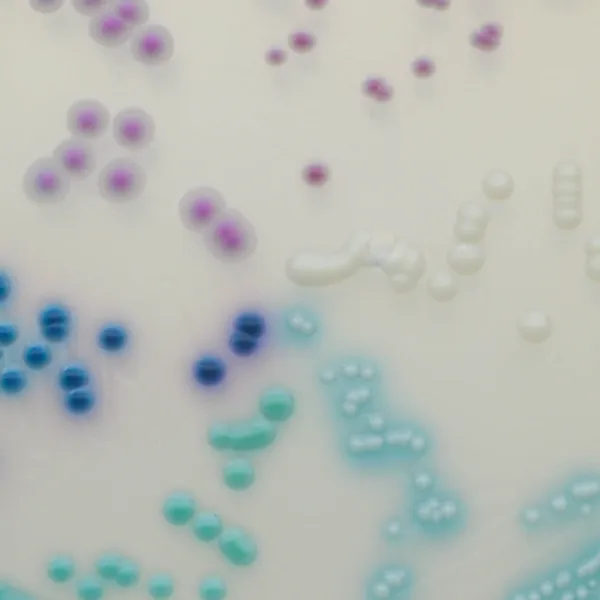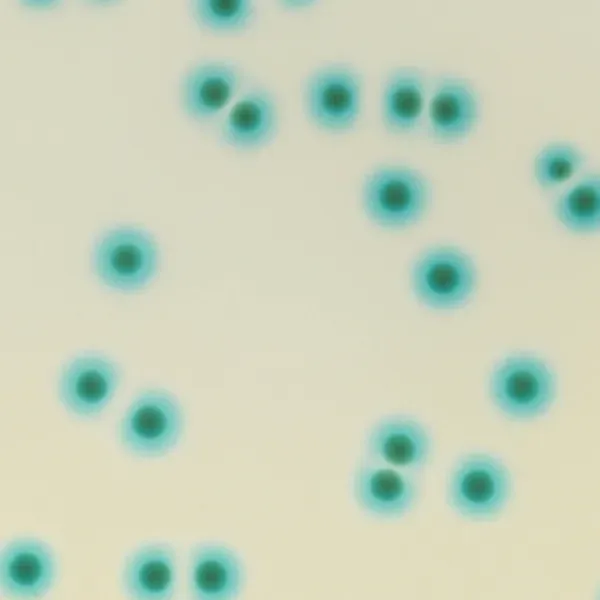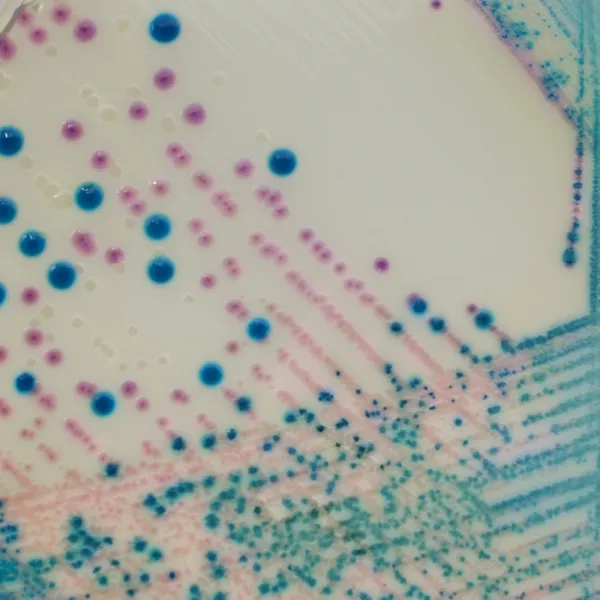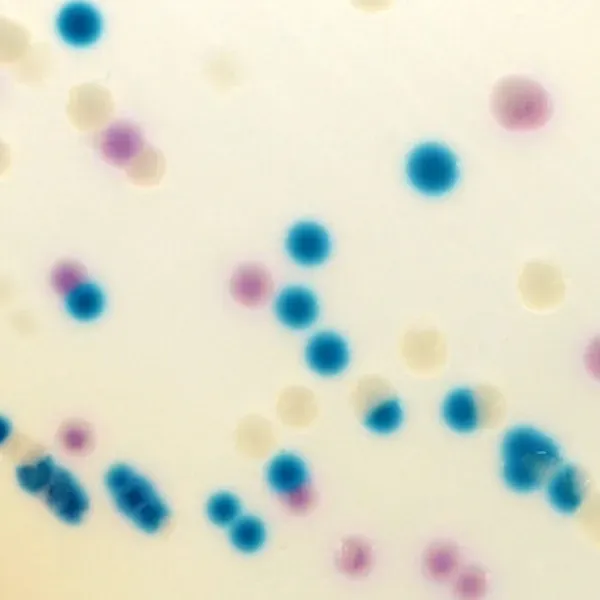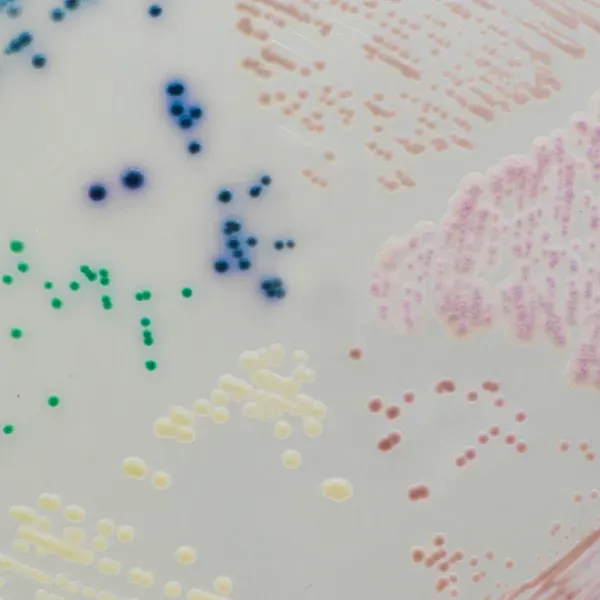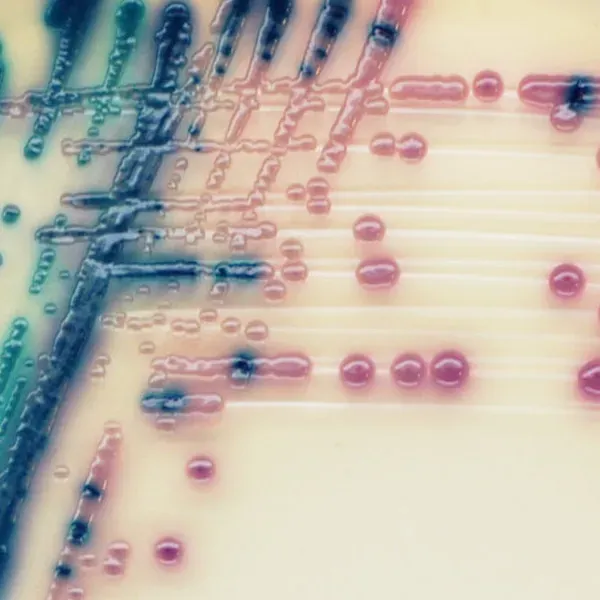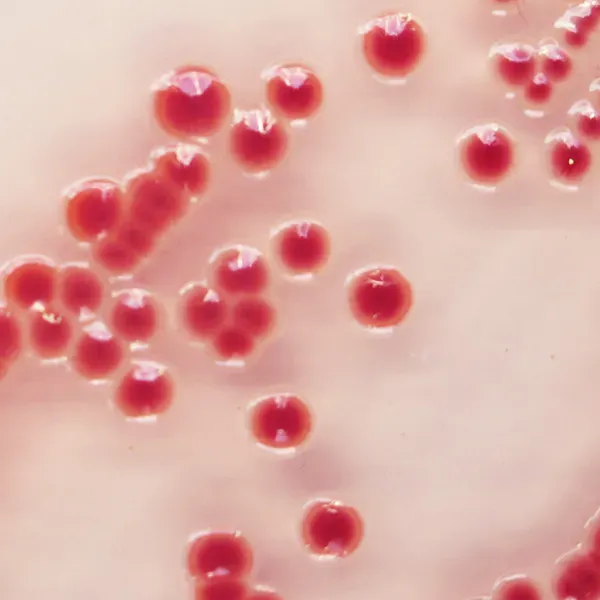
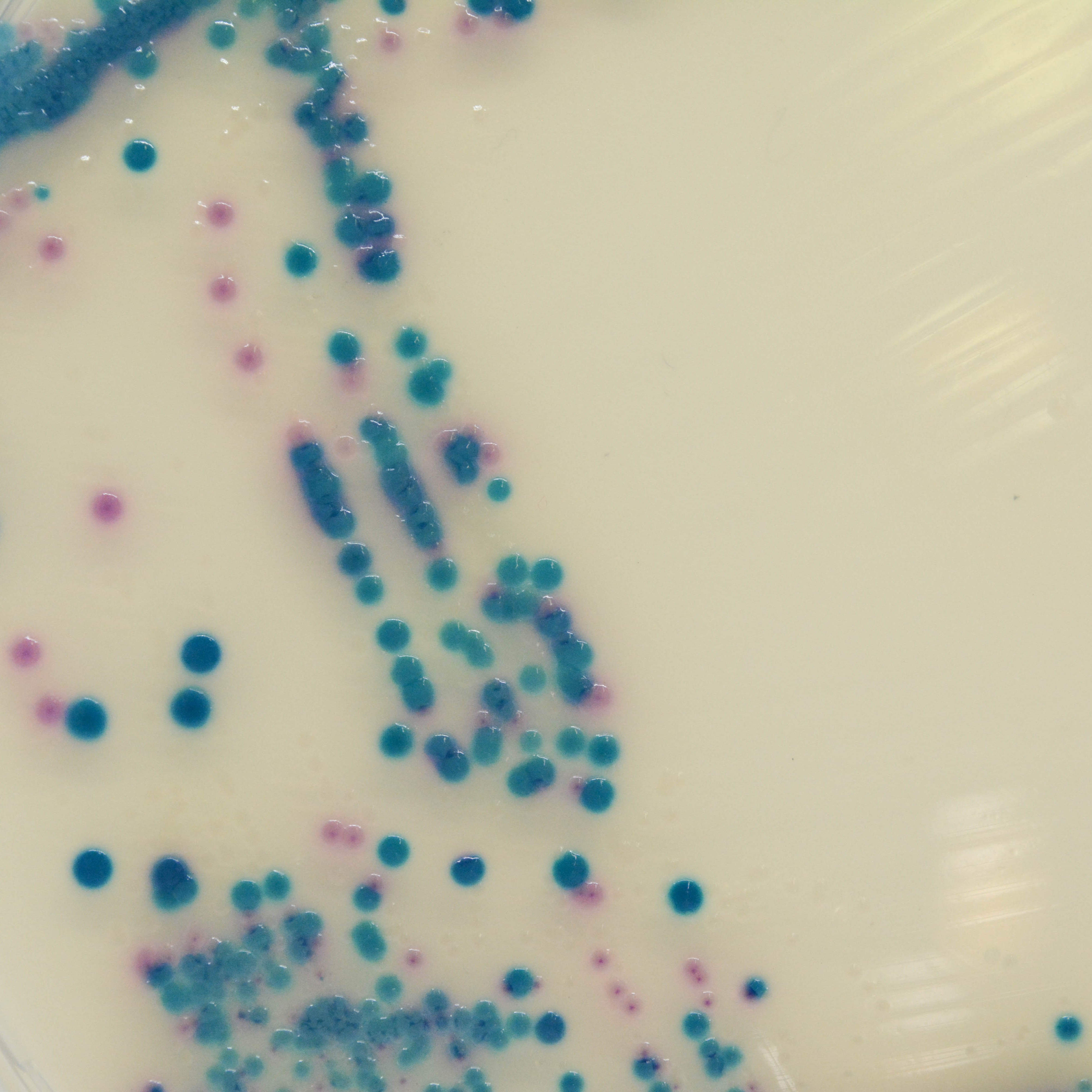
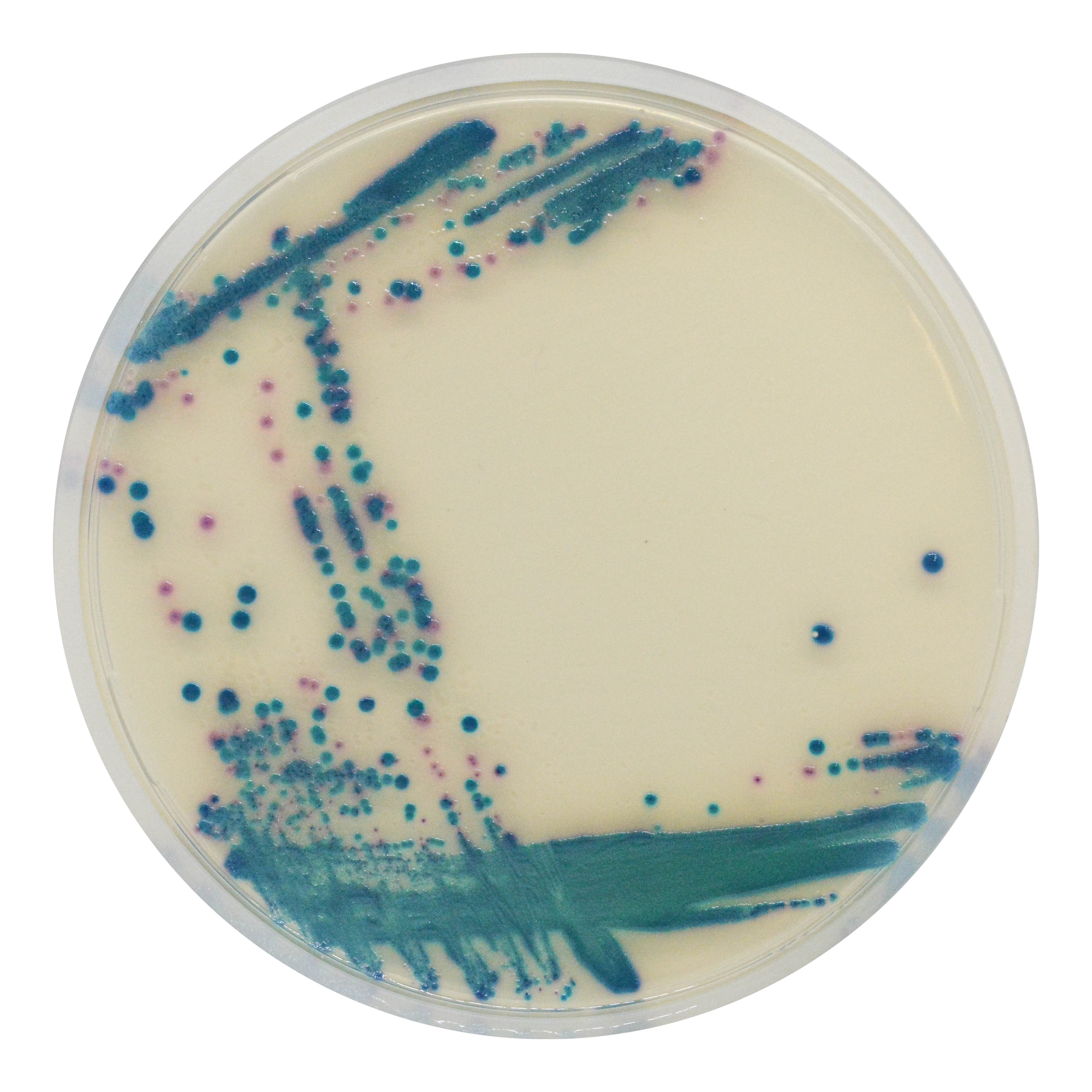
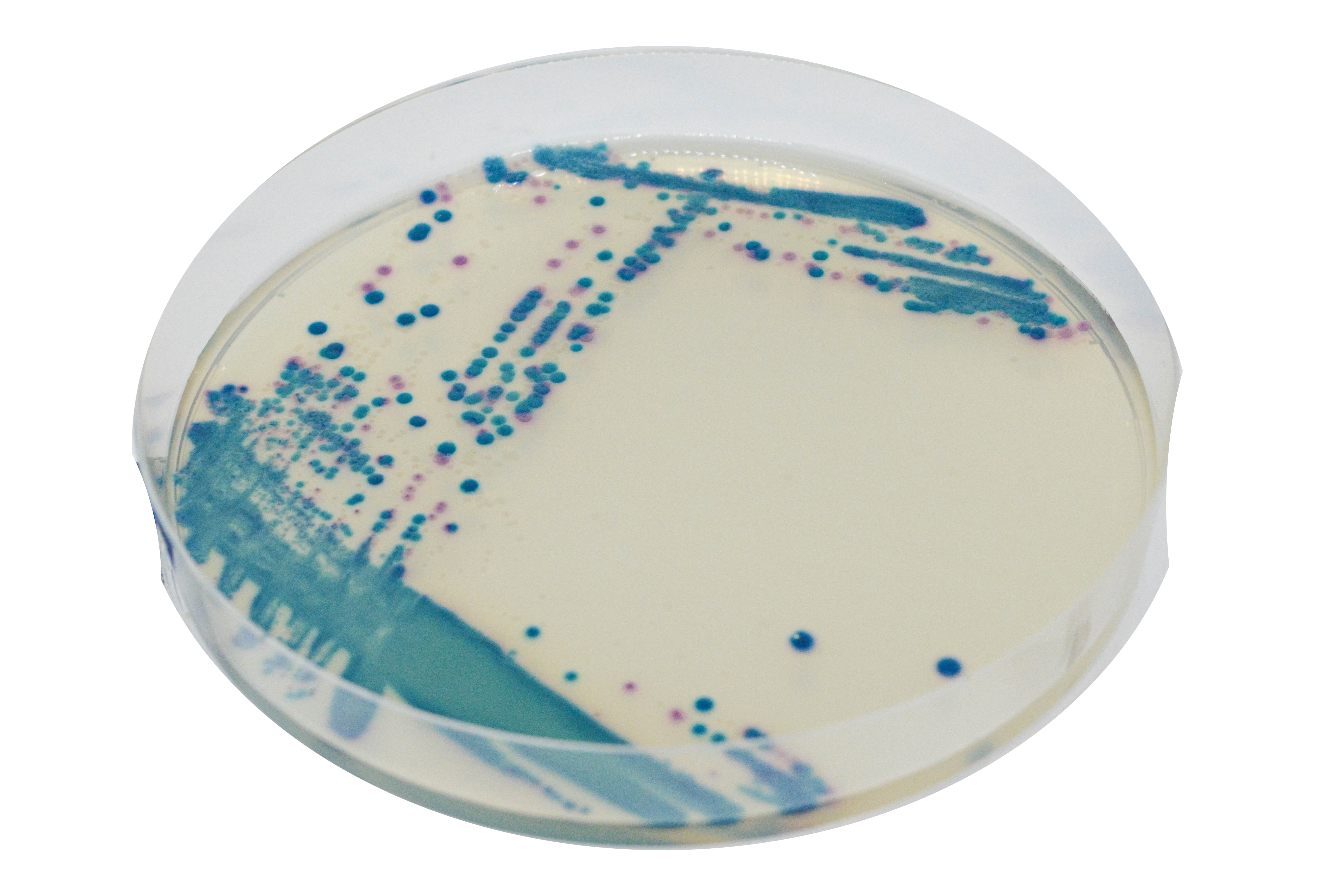
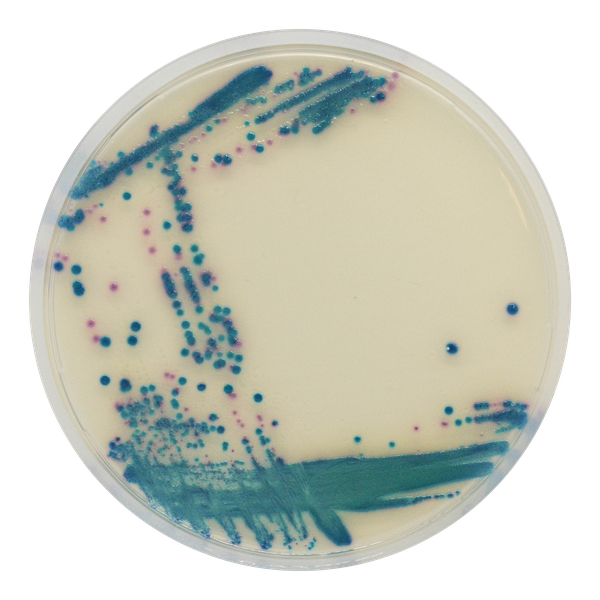
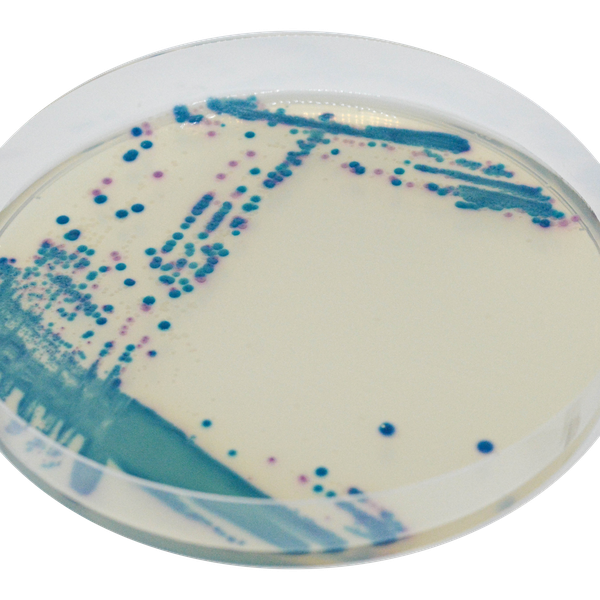
Hình thái khuẩn lạc
E. coli ESBL
hồng đậm đến đỏ
Klebsiella, Enterobacter,
Citrobacter ESBL
Proteus ESBL
hạo quang nâu
Pseudomonas ESBL
kem mờ đến xanh dương
Acinetobacter ESBL
kem, đục
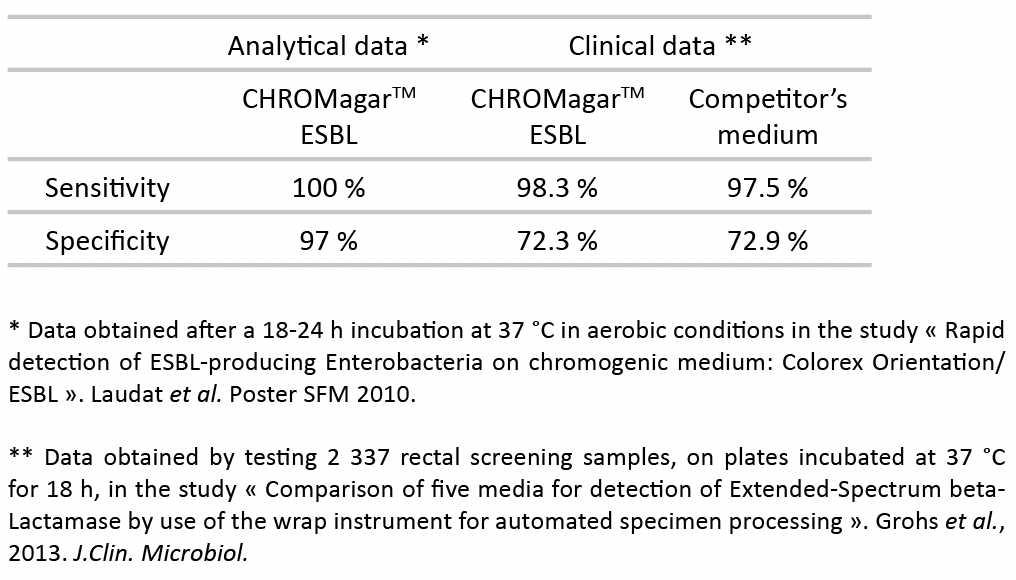
Hiệu năng
Hiệu năng
ESBL (Extended Spectrum β-Lactamases) là những enzyme làm trung gian kháng lại penicillin, cephalosporin thế hệ ba phổ rộng (C3G) và monobactam. Enterobacteriaceae sản xuất ESBL bắt đầu xuất hiện từ những năm 1980, và từ đó đã trở thành một trong những nhiễm trùng bệnh viện quan trọng nhất với Escherichia coli và Klebsiella spp. là các tác nhân chính, nhưng cũng có sự xuất hiện của các loài Gram âm khác. Sự xuất hiện của các chủng sản xuất ESBL có những ảnh hưởng lâm sàng và điều trị quan trọng:
- Các yếu tố kháng đối với sản xuất ESBL được mang trên plasmid có thể dễ dàng lây lan từ vi sinh vật này sang vi sinh vật khác.
- Sự lan rộng của kháng đối với cephalosporin rộng có thể dẫn đến tăng sử dụng các loại thuốc rộng và đắt hơn.
- Những chủng kháng này có thể thoát khỏi phát hiện với xét nghiệm nhạy thường quy được thực hiện bởi phòng xét nghiệm vi sinh lâm sàng, điều này có thể dẫn đến kết quả điều trị không tốt.
Do đó, phát hiện sớm vi khuẩn mang ESBL là quan trọng để giảm thiểu ảnh hưởng của chúng và ngăn ngừa sự lây lan của nhiễm trùng và tùy chỉnh điều trị bệnh nhân.
CHROMagar™ ESBL cho phép phát hiện vi khuẩn sản xuất ESBL trong khi ức chế sự phát triển của các vi khuẩn khác, bao gồm hầu hết những vi khuẩn mang kháng AmpC. Đây là một đặc điểm quan trọng vì kháng AmpC nội tại có ít liên quan dịch tễ học hơn, nhưng thường dẫn đến kết quả dương tính giả ESBL trong các phương pháp kiểm tra cổ điển.
Mục đích sử dụng :
CHROMagar™ ESBL là môi trường nuôi cấy chromogen chọn lọc và phân biệt, được dùng để phát hiện trực tiếp định tính tình trạng mang vi khuẩn kháng beta-lactamase phổ rộng (ESBL) tại đường tiêu hóa nhằm hỗ trợ phòng ngừa và kiểm soát ESBL trong các cơ sở chăm sóc sức khỏe. Thử nghiệm được thực hiện với mẫu gạc trực tràng và phân từ bệnh nhân để sàng lọc tình trạng mang ESBL. Kết quả có thể được diễn giải sau 18-24 giờ ủ hiếu khí ở 35-37 °C.
Môi trường này cũng có thể được sử dụng như chỉ báo cảnh báo sớm cho các xét nghiệm chẩn đoán nhiễm trùng để báo hiệu sự có mặt có thể của vi khuẩn kháng nhiều thuốc. Việc sử dụng này không thay thế các giao thức của cơ sở.
CHROMagar™ ESBL không nhằm chẩn đoán nhiễm trùng do các chủng sản xuất ESBL, cũng không hướng dẫn hay theo dõi điều trị nhiễm trùng. Sự thiếu phát triển hoặc không có khuẩn lạc trên CHROMagar™ ESBL không loại trừ sự có mặt của vi khuẩn sản xuất ESBL. Cần thêm xét nghiệm nhận dạng, kiểm tra nhạy kháng, và định typ dịch tễ học trên các khuẩn lạc nghi ngờ.
1. Kết quả nhanh: Phát hiện sau ủ qua đêm.
4. Tiết kiệm thời gian và công việc: Nuôi cấy trực tiếp từ mẫu. Không cần phải làm giàu chọn lọc trước.
2. Phân biệt loài nhờ hiệu năng chromogenic của CHROMagar™ Orientation đã bổ sung. Thực tế, sản phẩm bao gồm một bột nền CHROMagar™ Orientation và một chất bổ sung để tăng cường các vi khuẩn sản xuất ESBL.
5. Linh hoạt: CHROMagar™ ESBL được cung cấp với thời hạn sử dụng hơn 18 tháng. Điều này cho phép sự linh hoạt trong việc sử dụng, dù trong tình huống dịch tễ với nhiều bệnh nhân cần sàng lọc, hay trong giám sát ngẫu nhiên các nuôi cấy.
<img src="/Data-EN-3-1754042229.png" width="1016" height="580" alt="" title="Data EN" />
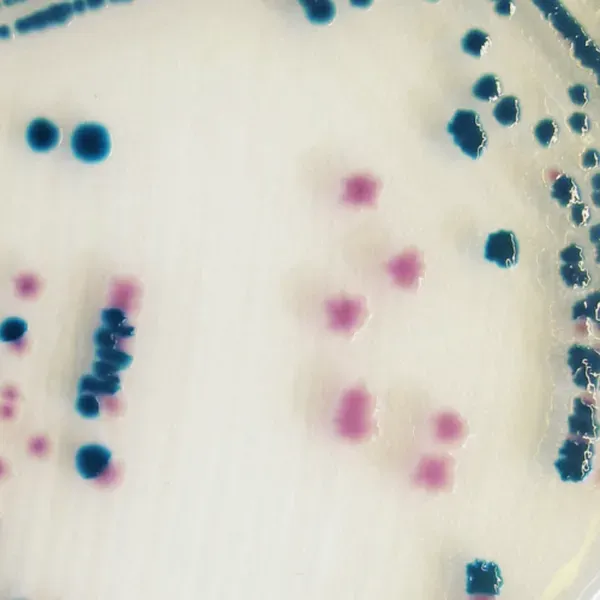
Thành phần
<img class="vce-single-image" src="/Composition-EN-3-1754042232.png" width="950" height="460" alt="" title="Composition EN" /> Tài liệu kỹ thuật
Công bố khoa học
2023
Prevalence of extended spectrum beta lactamase and molecular detection of blaTEM, blaSHV and blaCTX-M genotypes among Gram negative bacilli isolates from pediatric patient population in Gaza strip
📄 Publication2022
Bacterial Content in Gut For Different Species of Fish Collecting From Tigris River in Baghdad City, Iraq
📄 Publication2022
Multidrug resistant bacteria on air, inanimate surface and medical equipment in an intensive care unit in Lima, Peru
📄 Publication2021
A prospective multicentre surveillance study to investigate the risk associated with contaminated sinks in the intensive care unit
📄 Publication2020
Oral colonisation by antimicrobial-resistant Gram negative bacteria among long-term care facility residents: prevalence, risk factors and molecular epidemiology
📄 Publication2018
Validation of Colorex™ ESBL/mSuperCARBA™ bi-plate on WASP®/WASPLab® to screen for ESBL and CPE
📄 Publication2018
Addition of disk diffusion based screening on chromogenic Mueller-Hinton agar adds value to traditional cephalosporin based screening for multiresistant Gram-negative bacteria
📄 Publication2017
Evaluation of meat, fruit and vegetables from retail stores in five United Kingdom regions as sources of extended-spectrum beta-lactamase (ESBL)-producing and carbapenem-resistant Escherichia coli
📄 Publication2017
Impact of selective media for detecting fluoroquinolone-insusceptible/ extended-spectrum beta-lactamase-producing Escherichia coli before transrectal prostate biopsy
📄 Publication2017
Escherichia coli colonizing Crows as a sentinel of Antimicrobial resistance in Saskatoon, Canada
📄 Publication2016
Detection of Extended-Spectrum β-Lactamase producing Enterobacteriaceae by Chromogenic ESBL Selective Medium
📄 Publication2016
Rapid and efficient approach to urine culture screening using CHROMagar Orientation/ESBL medium
📄 Publication2016
Accuracy and Cost-Effectiveness of the CHROMagar Orientation/ ESBL medium for Identification and Detection of Extended-Spectrum B-Lactamase (ESBL)-Producing Gram-Negative Bacilli in comparison to conventional methodology and Mass Spectrometry
📄 Publication2016
High rate of faecal carriage of extended-spectrum b-lactamase producing Enterobacteriaceae in healthy children in Bangui, Central African Republic
📄 Publication2015
The application of selective chromogenic agar for detecting Enterobacteria with production of beta-lactamases
📄 Publication2015
Improved Detection of Extended Spectrum Beta-Lactamase (ESBL)-Producing Escherichia coli in Input and Output Samples of German Biogas Plants by a Selective Pre-Enrichment Procedure
📄 Publication2014
Evaluation of the ability of four EBSL-screening media to detect ESBL-producing Salmonella and Shigella
📄 Publication2014
Faecal carriage of ESBL-producing Enterobacteriaceae and carbapenem-resistant Gram-negative bacilli in community settings
📄 Publication2014
Rapid detection of extended spectrum B-lactamase (ESBL) producing strain of Escherichia coli in urinary tract infections patients in Benha University Hospital, Egypt
📄 Publication2013
Factors for occurrence of extended spectrm b lactamase producing escherichia coli in broilers
📄 Publication2013
Maternal carriage of extended-spectrum betalactamase- producing Escherichia coli isolates in Argentina
📄 Publication2013
Molecular characterization of extended-spectrum beta-lactmase producing Enterobacteriaceae in a Saudi Arabia tertiary hospital
📄 Publication2013
Evaluation of three selective chromogenic media, CHROMagar ESBL, CHROMagar CTX-M and CHROMagar KPC, for the detection of Klebsiella pneumoniae producing OXA-48 carbapenemase
📄 Publication2013
Comparison of five media for detection of ESBL by use of the WASP instrument for automated specimen processing
📄 Publication2013
Phenotypic screen for ESBL-producing Enterobacteriaceae in the US Hospital setting: validation of CHROMagar ESBL versus HardyCHROM ESBL
📄 Publication2011
Comparison of three selective media for the recovery of Extended Spectrum β-Lactamase (ESBL)-producing Enterobacteriaceae
📄 Publication2010
Evaluation of a chromogenic medium for extended-spectrum beta-lactamase (ESBL)-producing Enterobacteriaceae
📄 Publication2010
Evaluation of a chromogenic agar medium for the detection of extended-spectrum beta-lactamase producing Enterobacteriaceae
📄 Publication2010
Détection rapide par culture des entérobactéries productrices de Bétalactamase à spectre étendue (ELBSE) sur milieu chromogène: Colorex Orientation/ESBL (CHROMagar, Paris France)
📄 Publication2019
CHROMagar ESBL / mSuperCARBA bi-plate medium for detection of ESBL and carbapenemase-producing Enterobacteriaceae from spiked tools
📄 Publication2020
A genomic epidemiology study of multidrug-resistant Escherichia coli, Klebsiella pneumoniae and Acinetobacter baumannii in two intensive care units in Hanoi, Vietnam
📄 Publication2021
Evidence of widespread endemic populations of highly multidrug-resistant Klebsiella pneumoniae seen concurrently through the lens of two hospital intensive care units in Vietnam
📄 Publication
Xem thêm