

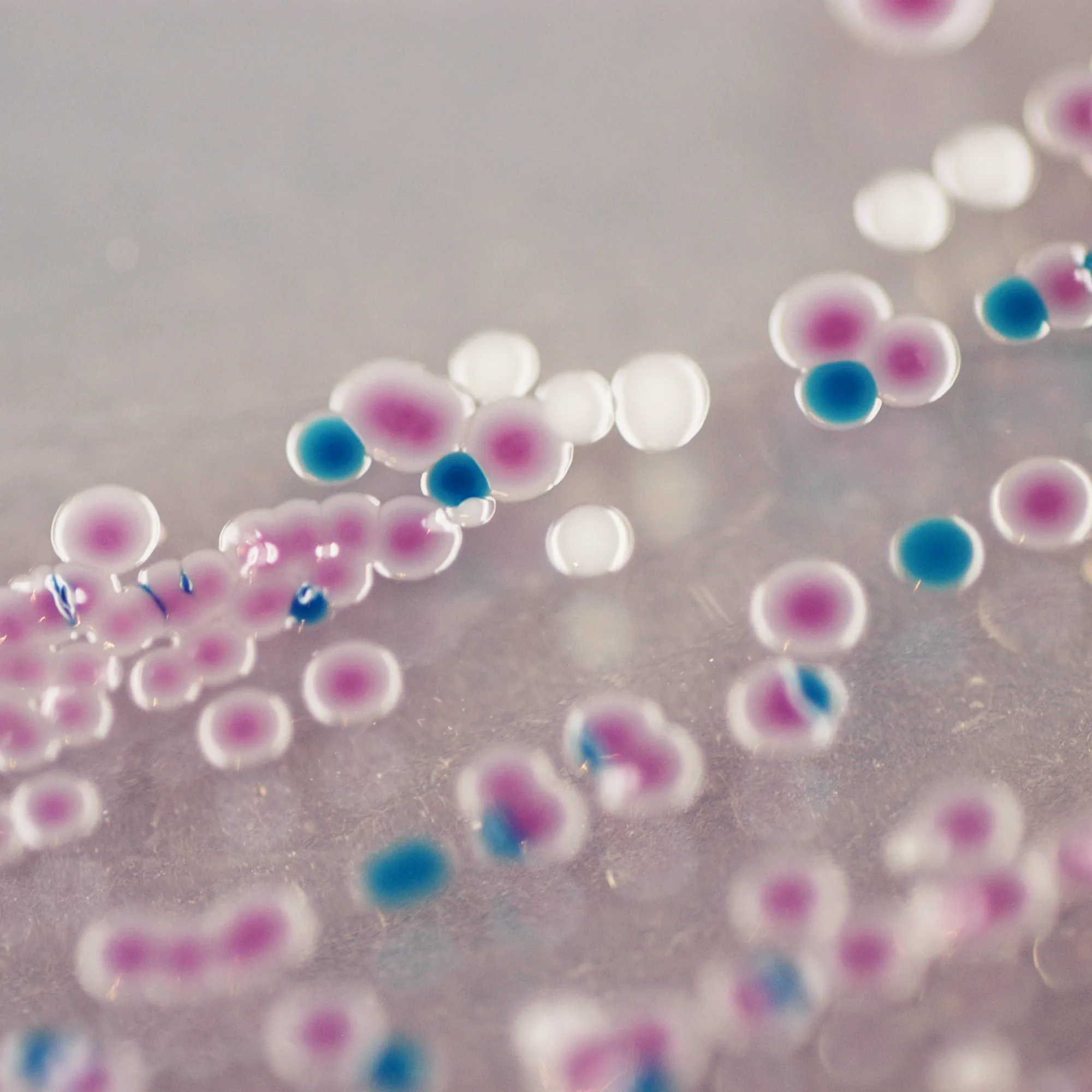
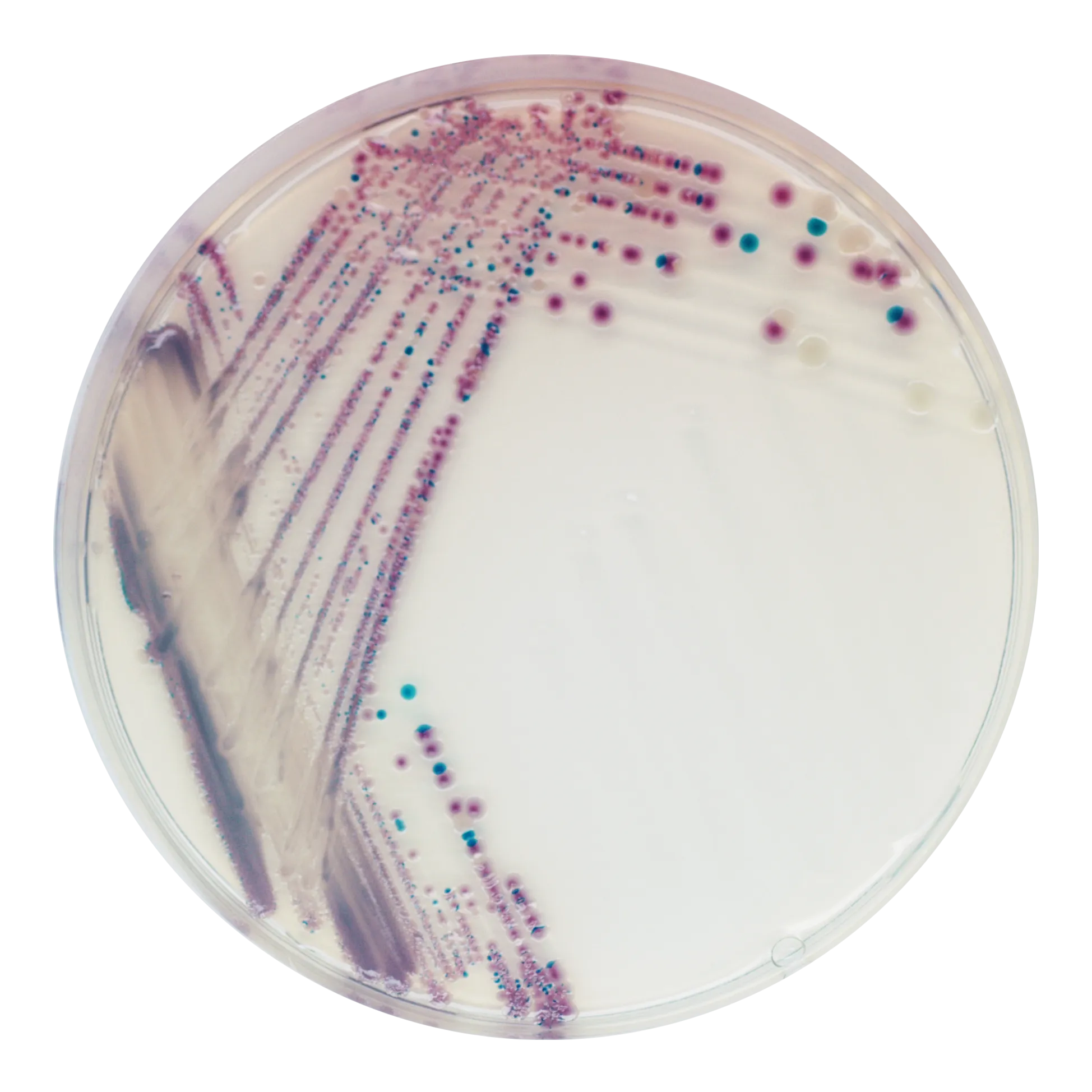
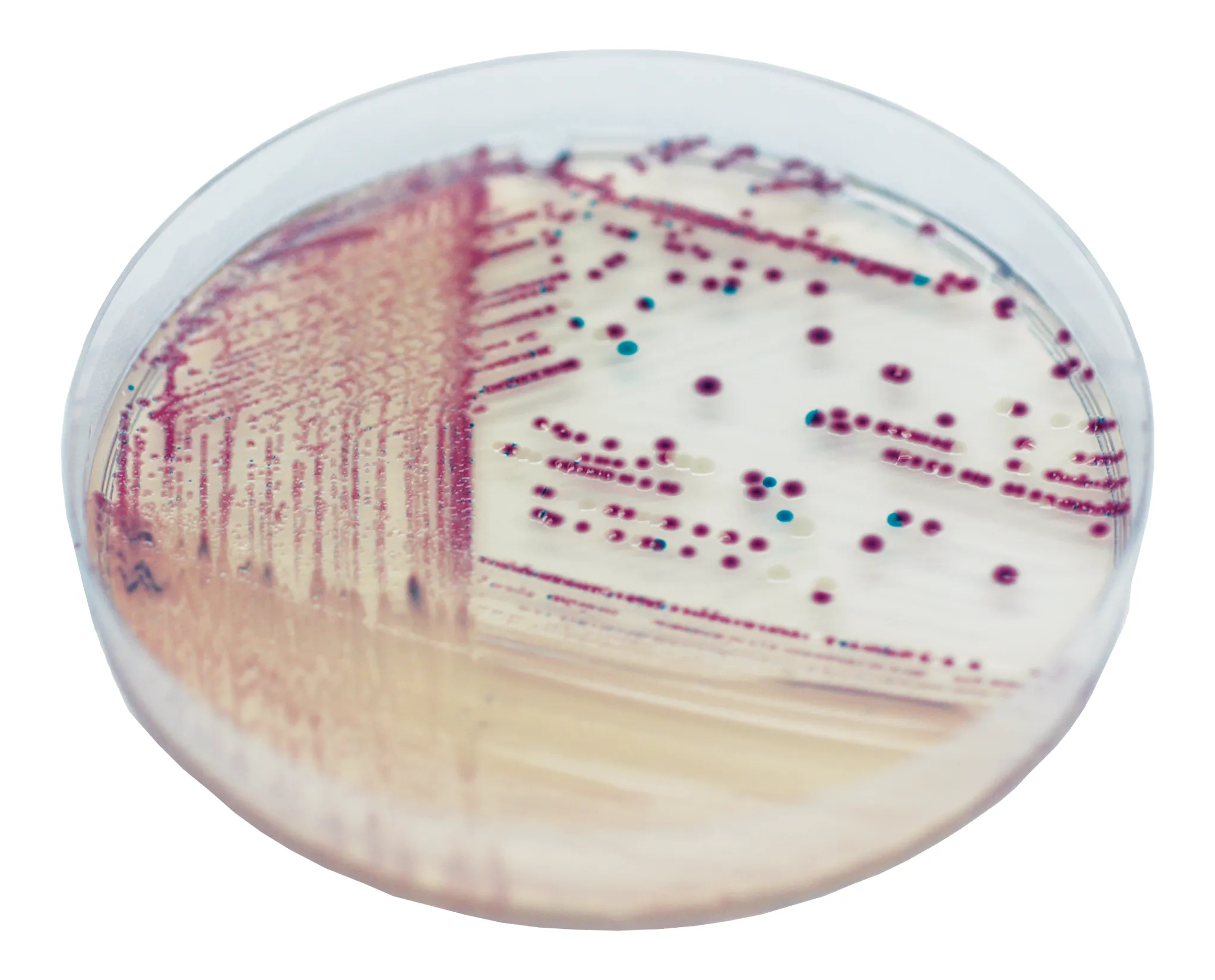
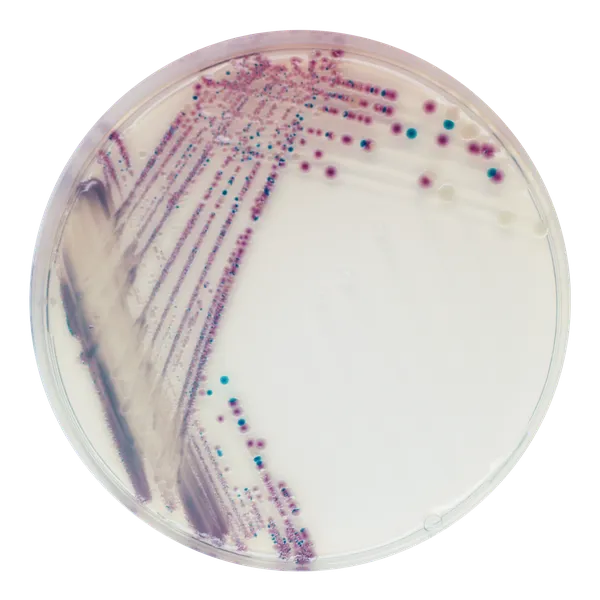
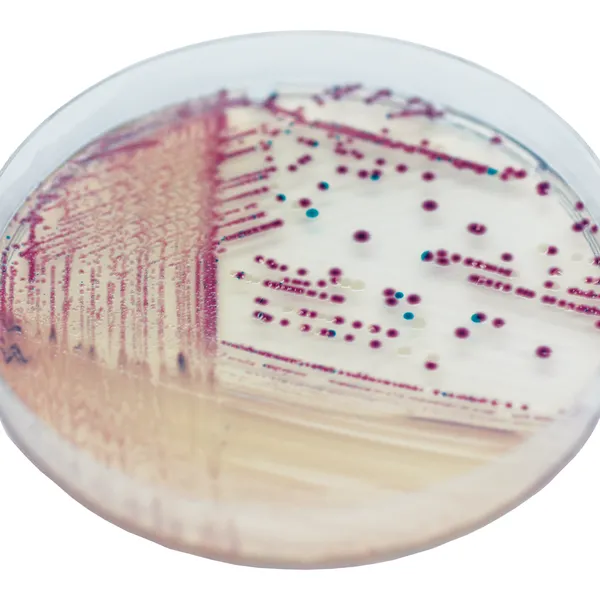
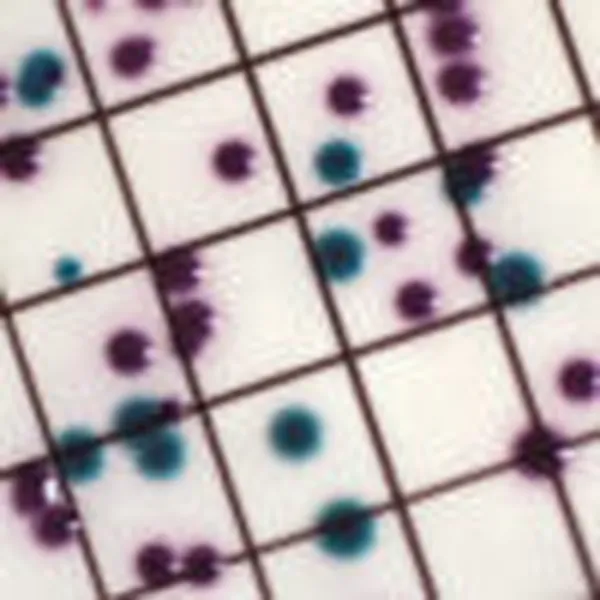
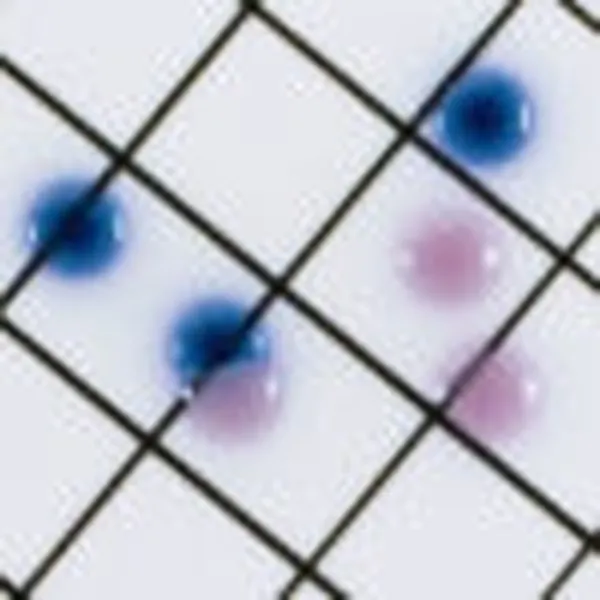
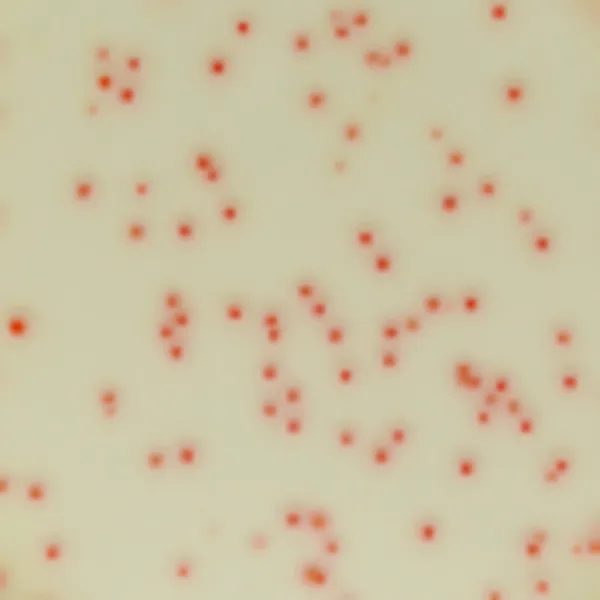
Colonies Appearance

V. parahaemolyticus
Mauve

V. vulnificus / V. cholerae
Green-blue to turquoise blue

V. alginolyticus
Creamy
Performance
Performance
Naturally present on marine plants and animals, Vibrio genus counts over 20 species among which four represent a serious public health hazard.
V. cholerae often cause cholera through water and food contamination. Emerging cyclically, cholera is considered to be endemic in many countries as a virulent disease causing severe diarrhea and dehydration. The number of cholera cases reported to the W.H.O. in 2006 rose dramatically, reaching the level of the 1990s. Around 240,000 cases were reported from 52 countries, including about 6300 deaths.
V. parahaemolyticus and V. vulnificus are largely involved in foodborne diseases from seafood, causing septicaemia, wound infections, and gastroenteritis. CDC reports an estimated 47 % increase of Vibrio infections in the US (1996-1998 to 2008), about 8000 illnesses yearly. Vibrio infections are also commonly reported in areas of Asia and Oceania, linked to the high consumption of seafood. Despite the fact that V. parahaemolyticus is the most commonly reported species causing infection, V. vunificus has become increasingly prevalent and is now associated with 94 % of reported deaths.
V. alginolyticus is less common but is a pathogen concern for oyster producers since it can lead to major production losses. If detected, it can prevent contamination of other oyster production sites.
1. Different clear and intense colonie colours : thanks to its powerful chromogenic technology. Easy reading especially when compared to the conventional TCBS medium based on sucrose fermentation revealed with a pH indicator.
2. Pratical : V. alginolyticus remains colourless in CHROMagar™ Vibrio, avoiding any interference with the detection of other species.
3. Clear differentiation : between V. parahaemolyticus and V. vulnificus, both sucrose (-) on TCBS.
4. Powerful : Unrivalled medium in the chromogenic media field.
5. Excellent recovery : greater than with TCBS agar, even if using an enrichment broth. Fewer false negatives than with TCBS agar.
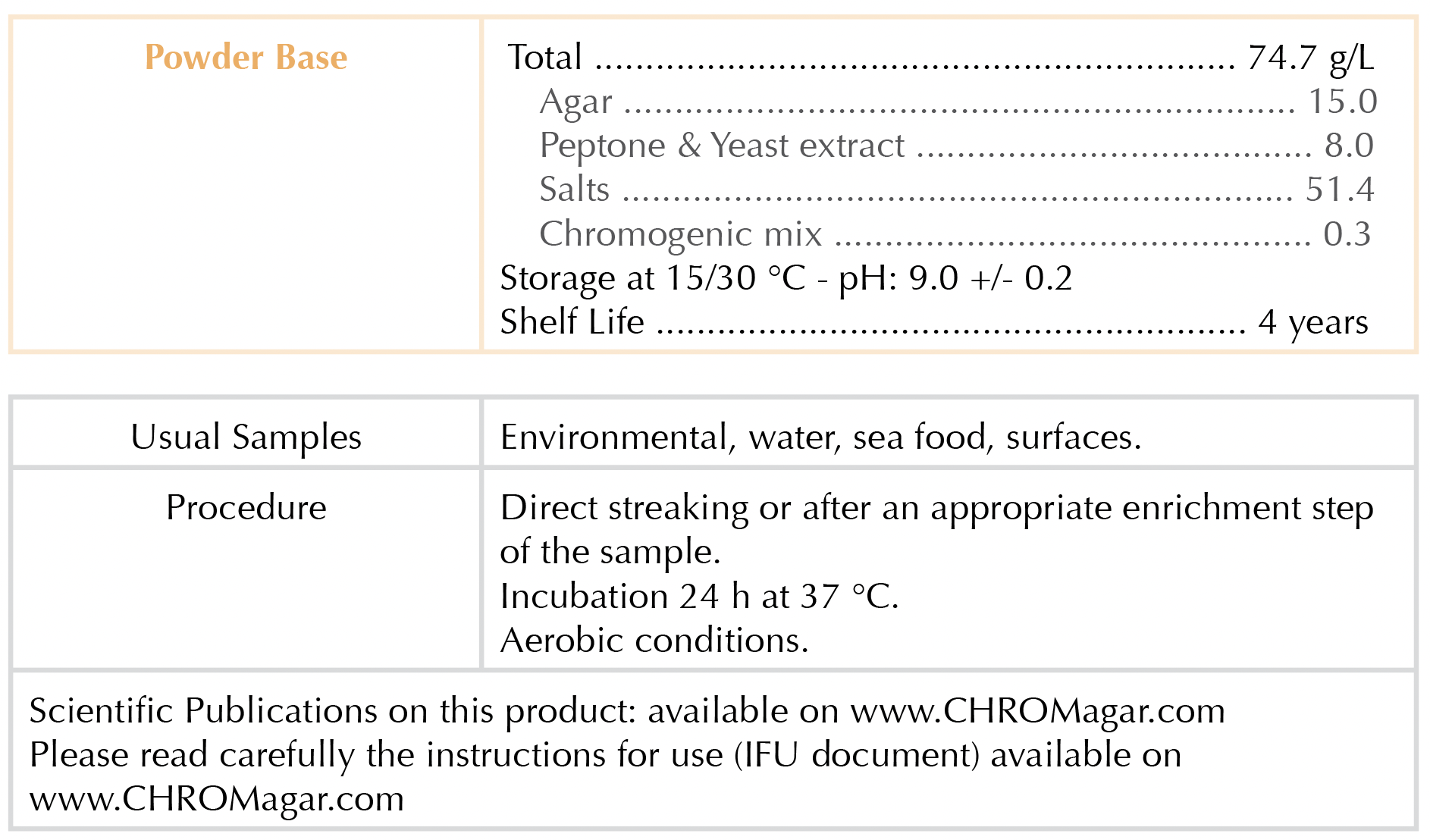
Composition
Technical Documents

Scientific Publications
2022
Vibrio parahaemolyticus Isolates from Asian Green Mussel: Molecular Characteristics, Virulence and Their Inhibition by Chitooligosaccharide-Tea Polyphenol Conjugates
📄 Publication2022
Bacterial Content in Gut For Different Species of Fish Collecting From Tigris River in Baghdad City, Iraq
📄 Publication2020
Prevalence of Vibrio parahaemolyticus causing acute hepatopancreatic necrosis disease of shrimp in shrimp, molluscan shellfish and water samples in the Mekong Delta, Vietnam
📄 Publication2014
Vibrio parahaemolyticus: a review on the pathogenesis, prevalence, and advance molecular identification techniques
📄 Publication2012
Characterization of Vibrio spp. on CPC+, CHROMagar Vibrio, and TCBS, and Proposed Cross-Plating Method for Isolation of Vibrio vulnificus from Environmental Samples
📄 Publication2011
Prevalence and diversity of vibrio sp. from different sources in marine environment at Agadir and Essaouira (Morocco)
📄 Publication2011
Comparative evaluation of a chromogenic agar medium - PCR protocol with a conventional method for isolation of Vibrio parahaemolyticus strains from environmental and clinical samples
📄 Publication2011
Evaluation of different procedures for the optimized detection of Vibrio parahaemolyticus in mussels and environmental samples
📄 Publication2011
Comparison of two selective and differential media for the isolation of Vibrio vulnificus from the envir
📄 Publication2010
Comparison between thiosulphate-citrate-bile salt sucrose (TCBS) agar and CHROMagar Vibrio for isolating Vibrio parahaemolyticus
📄 Publication
Read more