

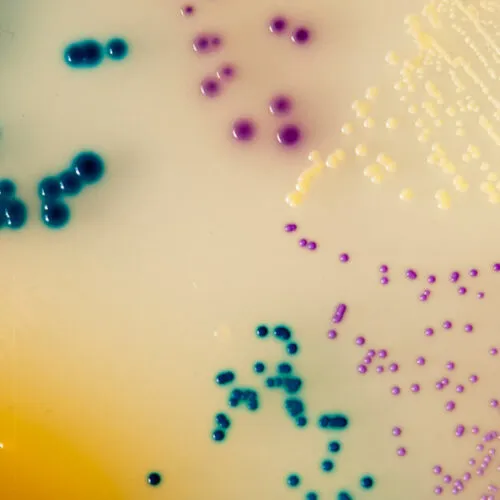
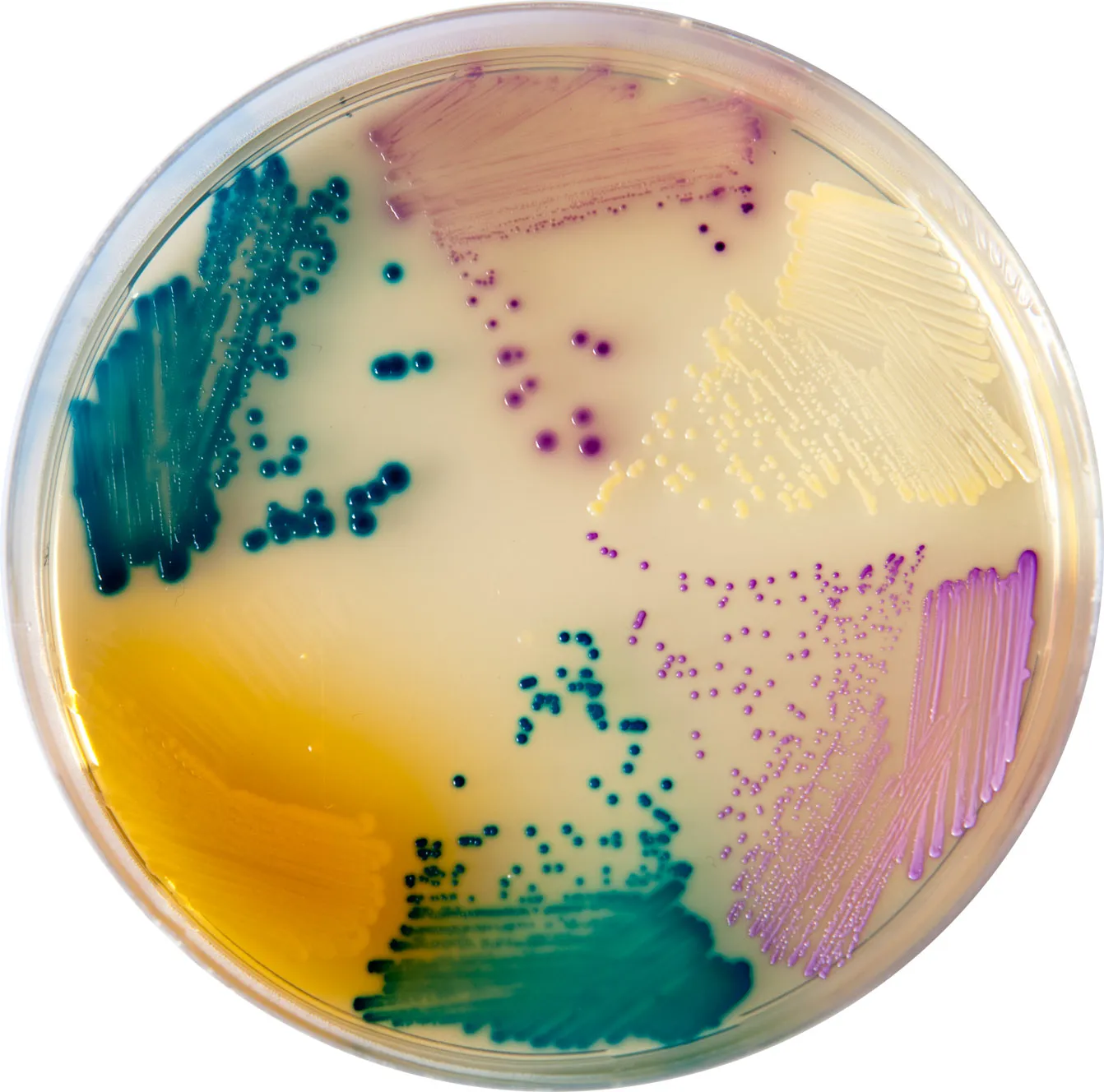
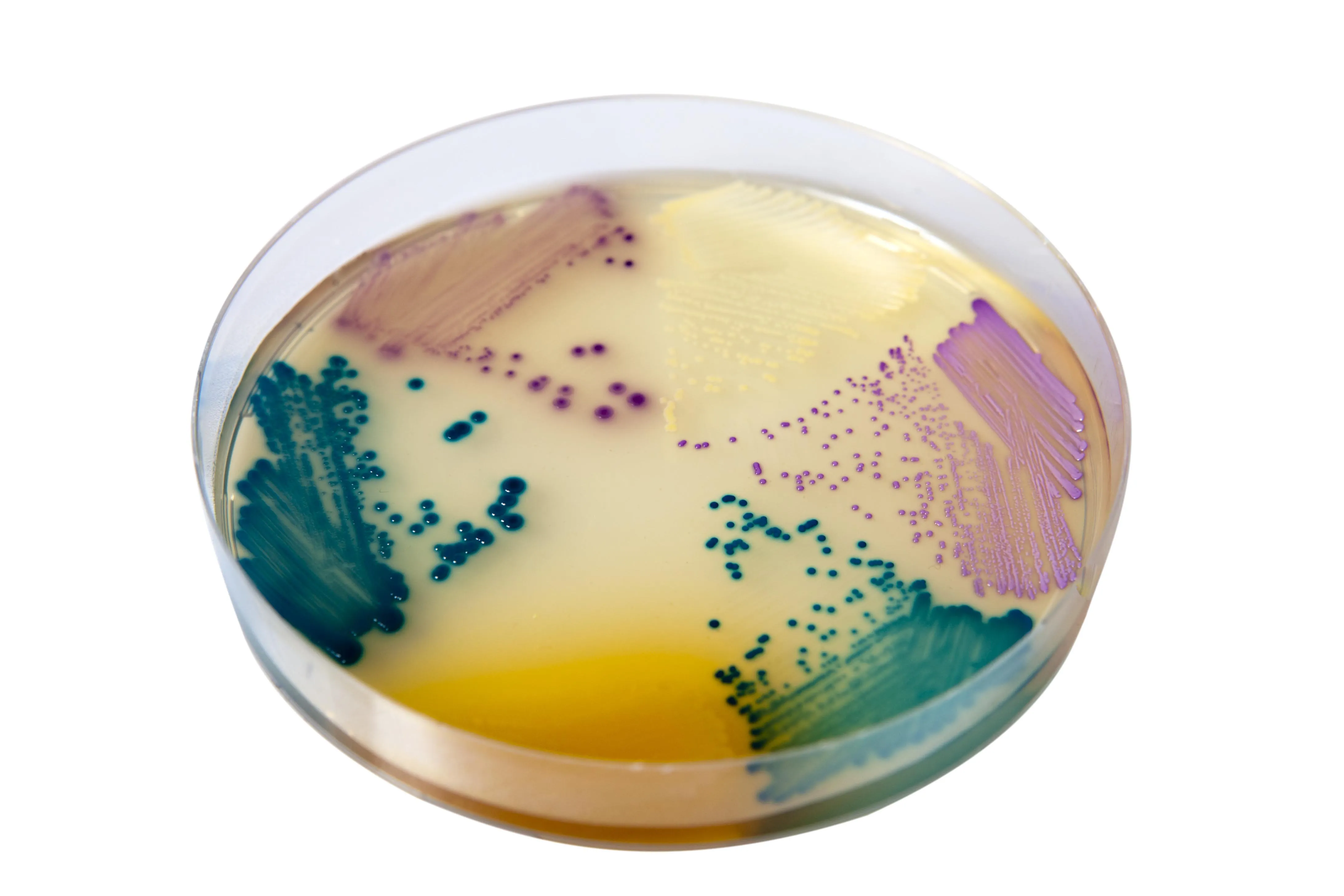
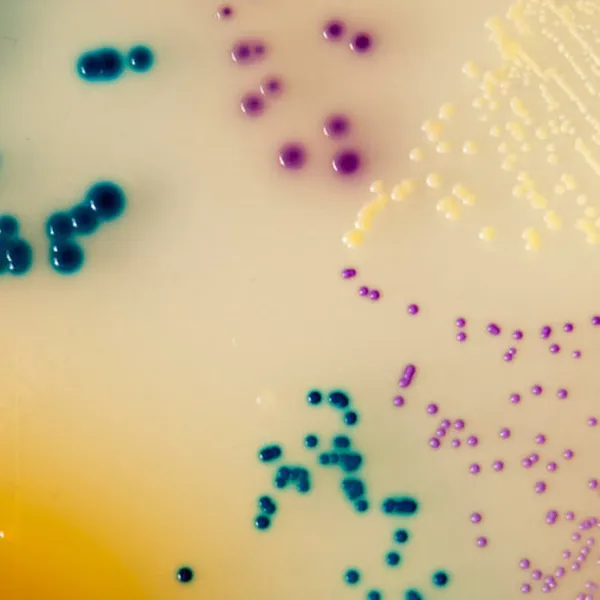
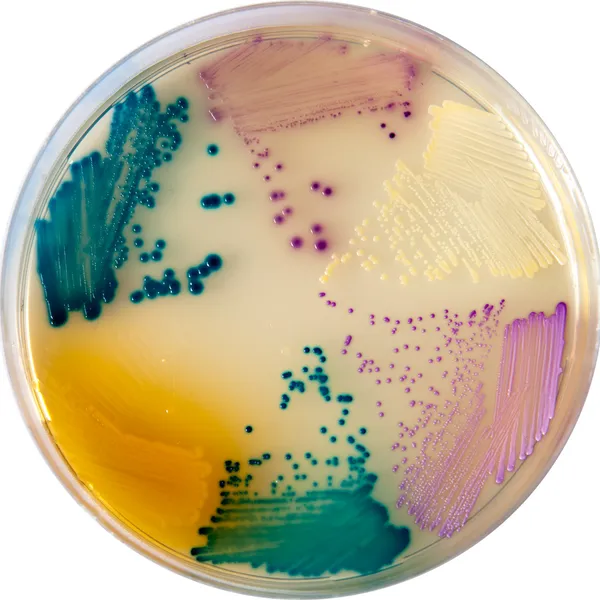
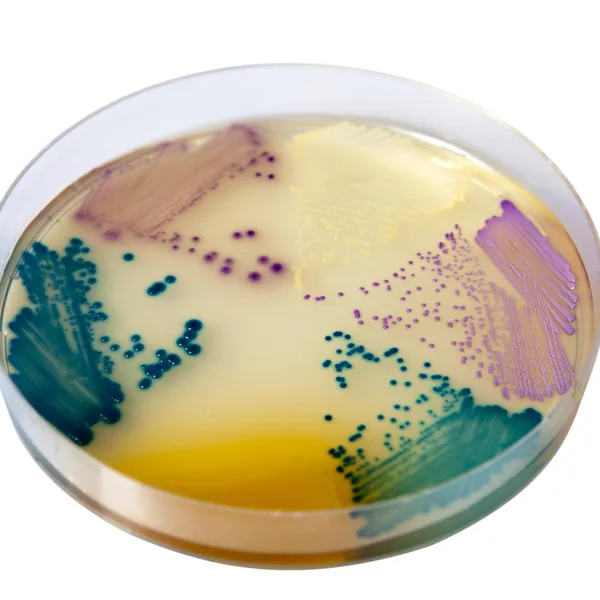
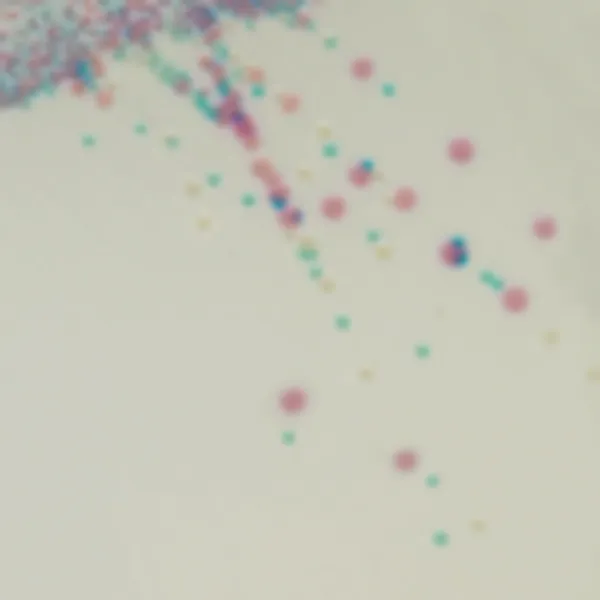
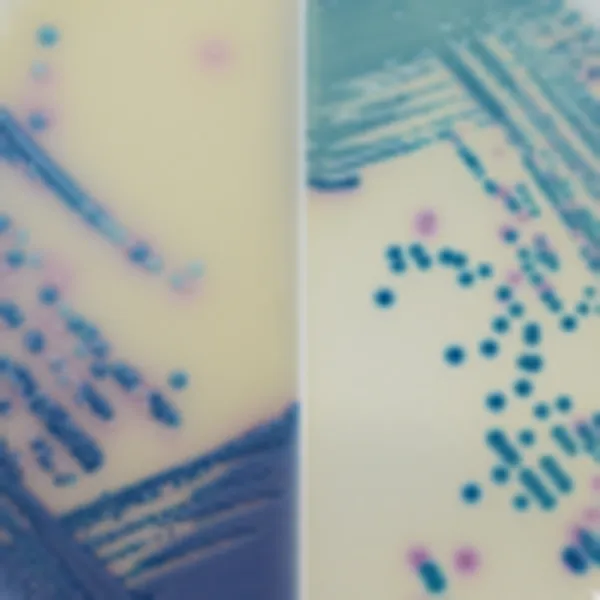
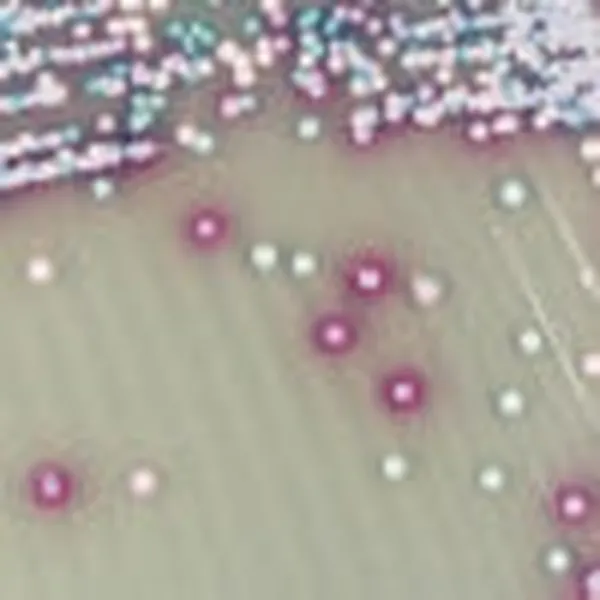
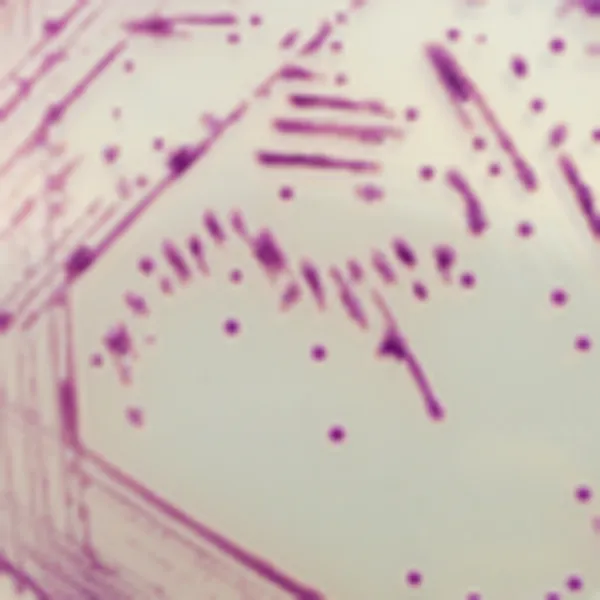
Colonies Appearance

E. coli
Dark pink to reddish

Enterococcus
Turquoise blue

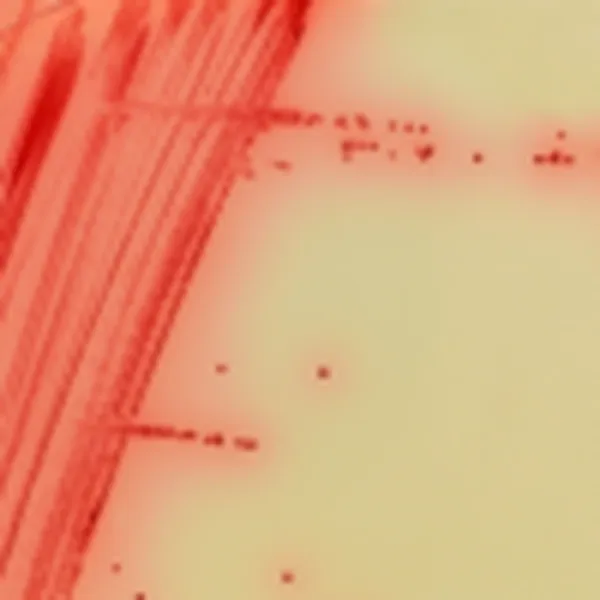
Proteus
Brown halo

Klebsiella, Enterobacter, Serratia
Metallic blue

S. aureus
Golden, opaque, small

Citrobacter
Metallic blue with red halo

S. saprophyticus
Pink, opaque, small

Candida albicans
Colourless

Streptococcus agalactiae
Light blue

Pseudomonas aeruginosa
Translucide, cream to blue
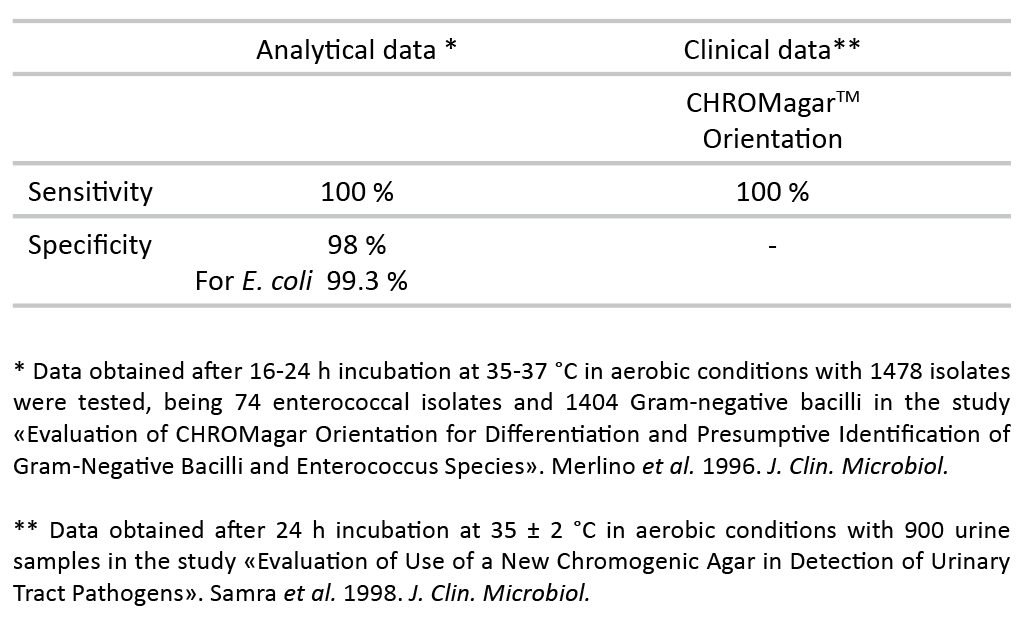
Performance
Performance
Urinary tract infections (UTIs) are a severe public health problem. Up to 40 % of women will develop UTI at least once during their lives, and a significant number of these women will have recurrent urinary tract infections. Thus, any workload reduction related to this analysis will dramatically improve the efficiency of the laboratory.
Intended Use :
CHROMagar™ Orientation is a non-selective chromogenic culture medium intended for use in the qualitative direct detection, differentiation and presumptive identification of uropathogens to aid in the diagnosis of urine tract infections. The test is performed with urine samples. Results can be interpreted after 18-24 h of aerobic incubation at 35-37 °C.
Concomitant cultures are necessary to recover organisms for further microbiological testing or epidemiological typing. A lack of growth or the absence of colonies on CHROMagar™ Orientation does not preclude the presence of bacteria. CHROMagar™ Orientation is not intended to diagnose infection nor to guide nor monitor treatment for infections.
CHROMagar™ Orientation can also be used with veterinary samples.
1. Instant palette of colours to obtain a large spectrum of species differentiation:
CHROMagar™ Orientation has several advantages over traditional media :
- allows in most cases full differentiation of the pathogens,
- allows a semi-quantitative assessment and presumptive identification of urinary tract pathogens,
- allows an easier recognition of mixed growth,
- provides higher detection rates.
2. High detection of miner population: The proper use of CHROMagar™ Orientation will correctly pinpoint the presence of a minor population and will help to establish the right diagnosis and therapy.
3. Save time and reduce workload:
The most common UTI pathogénies is E. coli, found in 40-70 % of infections. CHROMagar™ Orientation has a specificity of 99,3 %* for E. coli.
One plate of CHROMagar™ Orientation will give the same information as the combination of the 3 classical plates used for UTI analysis (blood agar, CLED and MacConkey agar). Moreover, since it is easy to differentiate mixed flora on CHROMagar™ Orientation, antimicrobial susceptibility tests can be performed directly from primary isolates without the need of subcultures.**
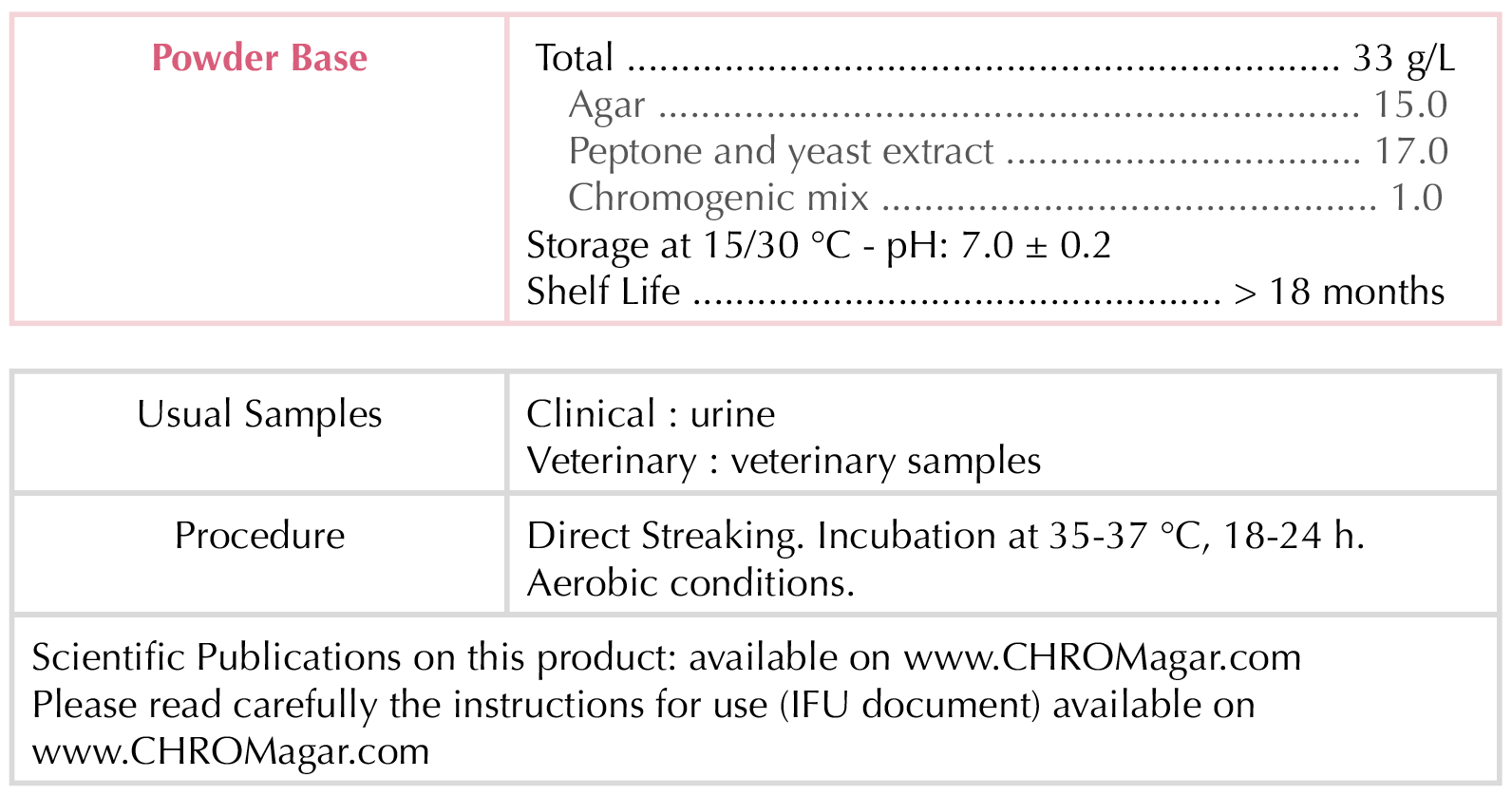
Composition
Technical Documents

Scientific Publications
2023
Zoonotic Staphylococcus spp. among domestic animals in Ukraine: antibiotic resistance and diagnostic approaches
📄 Publication2023
Identificación presuntiva simplificada de Enterobacterales mediante CHROMagar™ Orientation y pruebas bioquímicas mínimas
📄 Publication2022
Bacterial Content in Gut For Different Species of Fish Collecting From Tigris River in Baghdad City, Iraq
📄 Publication2022
Bloodstream Infections caused by Magnusiomyces capitatus and Magnusiomyces clavatus: Epidemiological, Clinical, and Microbiological Features of Two Emerging yeast species
📄 Publication2021
Comparison of CHROMagar Orientation versus CLED (cystine-lactose-electrolyte-deficient) Agar, VITEK-XL and MALDI-TOF in a tertiary laboratory setting processing Urine culture samples at Dr. Lal Path Labs, Delhi
📄 Publication2021
A prospective multicentre surveillance study to investigate the risk associated with contaminated sinks in the intensive care unit
📄 Publication2017
Impact of selective media for detecting fluoroquinolone-insusceptible/ extended-spectrum beta-lactamase-producing Escherichia coli before transrectal prostate biopsy
📄 Publication2016
Rapid and efficient approach to urine culture screening using CHROMagar Orientation/ESBL medium
📄 Publication2016
Accuracy and Cost-Effectiveness of the CHROMagar Orientation/ ESBL medium for Identification and Detection of Extended-Spectrum B-Lactamase (ESBL)-Producing Gram-Negative Bacilli in comparison to conventional methodology and Mass Spectrometry
📄 Publication2016
Isolation and Identification of some Bacterias Causing Lung Abscesses in Sheep With Chromogenic Media
📄 Publication2016
Comparison of three diagnostic methods for Acinetobacter baumannii isolated from Baghdad Hospitals
📄 Publication2014
Validation of Susceptibility Testing Results from Organisms Isolated Directly from Colorex Orientation Agar ECCMID 2014
📄 Publication2013
Validation of Direct Inoculation of Urinary pathogens from Alere Orientation Agar to Vitek 2 and Phoenix Identification panels and to Vitek MS (MALDITOF) (with Susceptibility Testing)
📄 Publication2013
Comparison of CPS ID 3 and CHROMagar Orientation chromogenic agars with standard biplate technique for culture of clinical urine samples. ABSTRACT
📄 Publication2013
Evaluation of Chromogenic Media for the Work-up of Urine Specimens: Comparison of chromIDTM CPS®, BBL™ CHROMagarTM and Colorex Orientation™ to Conventional Urine Culture Method
📄 Publication2012
Reduction in workload by use of CHROMagar Orientation™ for urine cultures compared to the use of Blood Agar/MacConkey agar split plate
📄 Publication2009
Use of chromogenic agar in detection of urinary tract pathogens and antimicrobial susceptibility
📄 Publication2004
Urocultivos: Optimizacion de recursos en el diagnostico de infecciones urinarias en pediatra (poster in spanish)
📄 Publication2002
Comparative evaluation of two commercial chromogenic media for detection and presumptive identification of urinary tract pathogens
📄 Publication2002
Performance of four chromogenic urine culture media after one or two days of incubation compared with reference media. Olle Aspevall, Bjorn Osterman et al.
📄 Publication2000
Cost-effective and rapid presumptive identification of Gram negative bacilli in routine urine, pus and stool cultures: Evaluation of the use of CHROMagar Orientation medium in conjunction with simple biochemical tests
📄 Publication1999
The use of CHROMagar Orientation as a primary isolation medium with presumptive identification for the routine screening of urine specimens
📄 Publication1998
Evaluation of use of a new chromogenic agar in detection of urinary tract pathogens
📄 Publication1998
Evaluation of CHROMagar Orientation medium for the identification of surveillance cultures: a novel method
📄 Publication1997
Application of CHROMagar Orientation in the identification and differentiation of Proteae from other Enterobacteriaceae
📄 Publication1997
Evaluation of a new medium for isolation, differentiation and presumptive identification of microorganisms in urinary tract infections
📄 Publication1996
Evaluation of CHROMagar Orientation for differentiation and presumptive identification of Gram negative bacilli and Enterococcus species
📄 Publication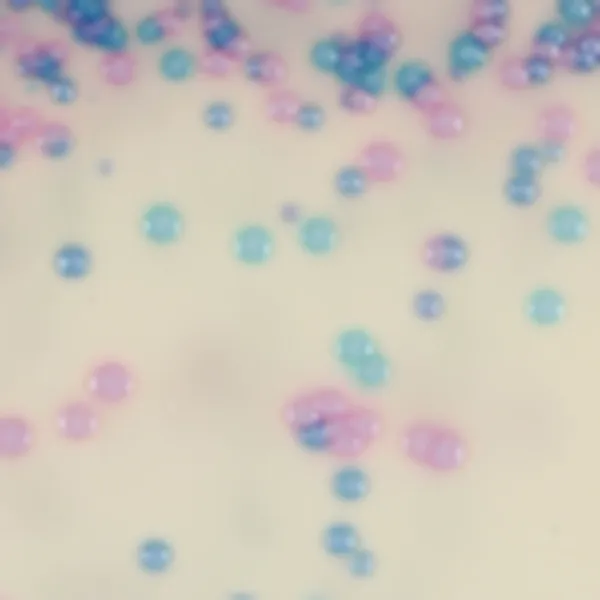
Read more